


When containers carrying AI components and semiconductors pass through the Panama Canal, their journey now carries new geopolitical weight. The Central American nation officially became the 24th signatory of the Pax Silica Initiative on June 26, 2026, during the Pax Silica Summit 2.0 in Washington, D.C. This move signals a significant shift in how smaller nations are positioning themselves within the global technology economy.
U.S. Ambassador Kevin Marino Cabrera framed the partnership as a natural extension of bilateral ties. “Panama’s participation in Pax Silica strengthens our bilateral relationship and advances our shared commitment to building secure, resilient, and trusted supply chains,” Cabrera said.
“The United States welcomes Panama as we work together to reduce critical supply chain vulnerabilities, expand trusted technology partnerships, strengthen secure AI infrastructure, and create new opportunities for innovation and economic growth”
What the Agreement Means for Panama
The declaration signed in Washington goes beyond a simple handshake. The Department of State previewed plans for a competitive Notice of Funding Opportunity for a new Pax Silica Artificial Intelligence Assistance Project specifically designed for Panama. This project would integrate with existing customs systems, port operator networks, and shipper tracking platforms already operating in the country.
The goal is straightforward: expedite the shipping of semiconductors, AI infrastructure, critical minerals, and related products through Panama’s logistics corridors. For a nation whose economy depends heavily on canal transit and free trade zones, this represents a direct pathway to becoming a central node in the AI supply chain. The initiative touches on multiple sectors including energy, critical minerals, advanced manufacturing, and artificial intelligence itself.
Panama’s strategic position has always made it a crossroads for global trade. Now that geography is being leveraged for semiconductor supply chain security rather than just consumer goods. The country’s existing infrastructure for handling high-value cargo gives it a running start compared to other potential partners in the region.

A Growing Coalition of Trusted Partners
Pax Silica began as a relatively focused U.S. State Department initiative but has expanded rapidly. The 24 signatories now include Argentina, Australia, Chile, Costa Rica, El Salvador, the European Union, Finland, Germany, Greece, India, Israel, Japan, Kazakhstan, Netherlands, Norway, Qatar, the Republic of Korea, Singapore, Sweden, the Philippines, the United Arab Emirates, the United Kingdom, and the United States. Taiwan has endorsed the declaration principles through a separate joint statement on U.S.-Taiwan Economic Security Cooperation.
This diverse membership reflects the reality that modern AI and semiconductor supply chains span continents. No single country controls everything from critical mineral extraction to advanced chip fabrication. The initiative aims to create trusted pathways through this complexity, reducing dependence on adversarial nations for key components and raw materials.
Under President Trump’s leadership, the United States has pushed for deepening relationships with Pax Silica signatories. The stated goal involves advancing rules-based, free-market access to resources, infrastructure, and partnerships that will power the AI economy. For Panama, this aligns with existing efforts to modernize its customs procedures and attract technology-focused investment.
Logistics as a Strategic Asset
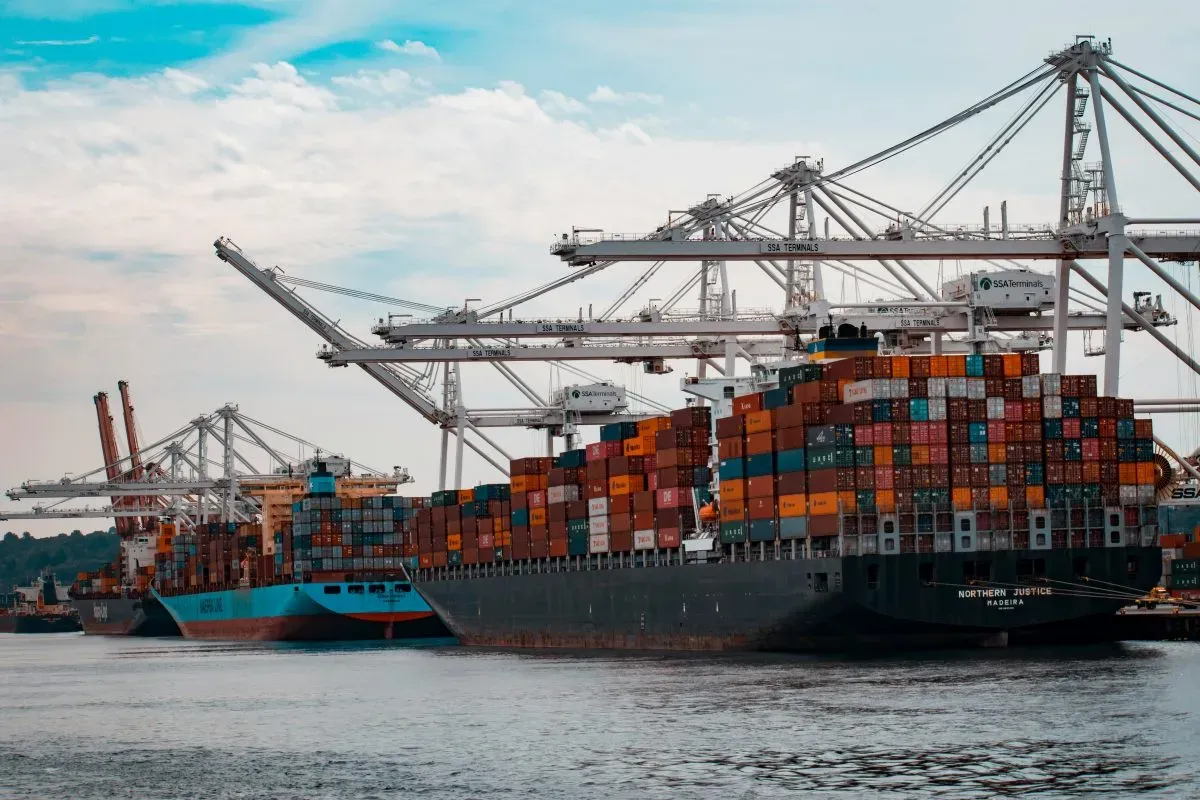
Panama’s role in this initiative cannot be understood without examining its existing logistics infrastructure. The Panama Canal handles roughly 6% of global maritime trade. The country’s Colon Free Zone is the second-largest free trade zone in the world. These assets make Panama naturally suited for the kind of high-speed, high-security shipping that AI supply chains require.
The proposed Artificial Intelligence Assistance Project would build on these foundations. By integrating with existing tracking platforms used by customs officials, port operators, and shippers, the project aims to create a seamless digital corridor for sensitive technology shipments. This matters because AI components often require special handling, temperature control, and security protocols that standard cargo does not.
For companies shipping AI infrastructure through the region, this means reduced delays and lower risk of theft or tampering. For Panama, it means capturing higher-value logistics business rather than just serving as a transit point for bulk commodities. The country’s Panama logistics and supply chains sector stands to benefit directly from this positioning.
Economic Security in the AI Era
The Pax Silica framework treats supply chain resilience as a matter of national security. Critical minerals like lithium, cobalt, and rare earth elements are essential for both semiconductors and AI infrastructure. Energy inputs for data centers and manufacturing facilities also fall under the initiative’s scope. By bringing together trusted partners, the United States hopes to create alternatives to current supply chains that often run through China and other nations with competing strategic interests.
Panama’s participation adds a Latin American perspective to a coalition that has been dominated by Asian, European, and North American members. Costa Rica and El Salvador were already signatories, but Panama brings unique canal-related logistics capabilities that complement those of its neighbors. The country also has potential for critical mineral processing and energy generation, both of which are covered under the Pax Silica framework.
The timing of Panama’s entry matters. Global demand for AI infrastructure continues to surge, and the competition for secure supply chain partners has intensified. Nations that can offer reliable transit, stable governance, and modern infrastructure are finding themselves in high demand. Panama has all three, plus the added advantage of English-Spanish bilingual workforce and established legal frameworks for international commerce.
For businesses operating in the AI and semiconductor sectors, Panama’s inclusion in Pax Silica provides another trusted route for moving products between production facilities in Asia, customers in the Americas, and raw material sources in South America. The canal’s capacity constraints and ongoing drought issues remain challenges, but the initiative’s focus on tracking and expediting high-value shipments could help prioritize the most critical cargo.
The Pax Silica Summit 2.0 where Panama signed on also served as a platform for announcing additional resources for the initiative. The competitive funding opportunity for the Panama-specific AI assistance project signals that the United States sees concrete value in this partnership beyond the symbolic declaration. Implementation details will determine whether the initiative delivers on its promises of faster, more secure shipping for AI supply chains.
Panama’s government has not yet released specific timelines for integrating its customs and port systems with the proposed Pax Silica tracking platforms. However, the country’s track record of modernizing its logistics infrastructure suggests that implementation could move relatively quickly. The Colon Free Zone and Panama Pacifico Special Economic Area already operate with advanced digital systems that could be adapted for the initiative’s purposes.