


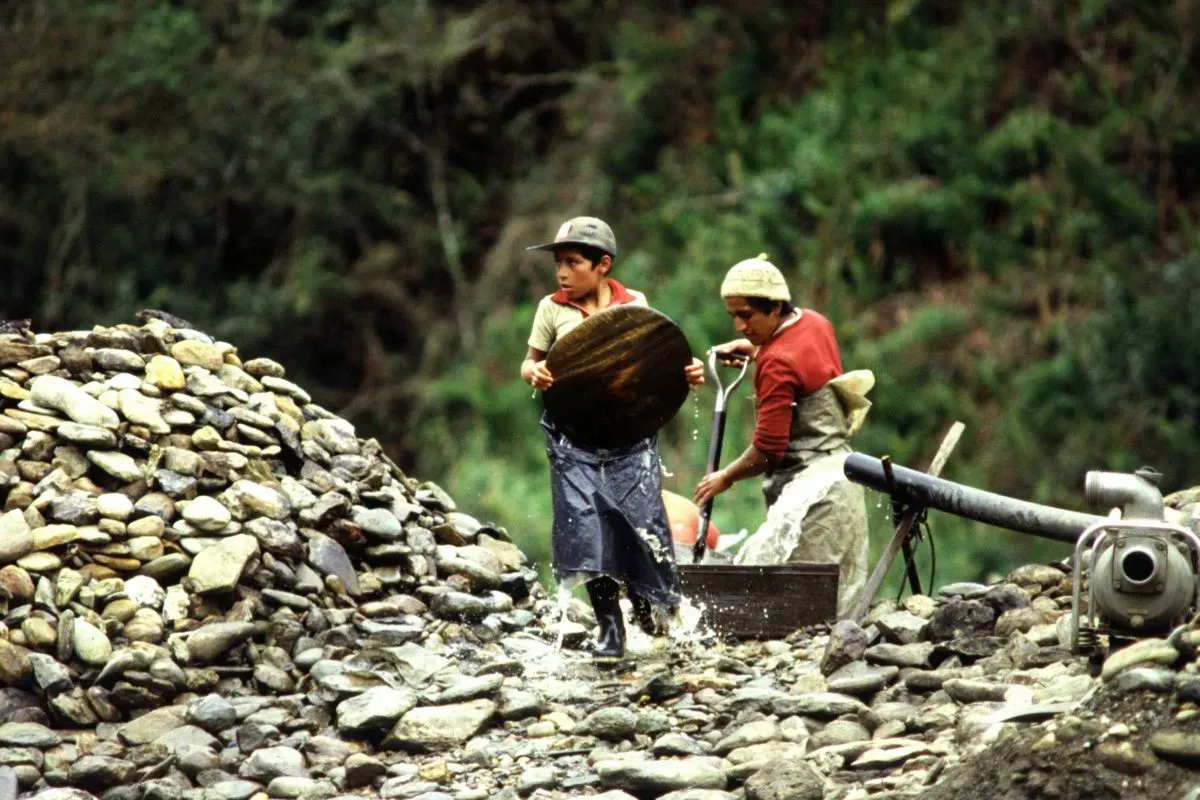
Nearly 2,000 children and teenagers across Panama remain trapped in labor situations, a reality that government officials are now tackling with a revamped educational strategy. Labor Minister Jackeline Muñoz recently revealed that her office is partnering with the Institute for Training and Utilization of Human Resources (Ifarhu) to dramatically expand a program called ‘Abrazos del Futuro’ (Hugs of the Future). The goal is simple: pull minors out of work and put them back into classrooms.
The initiative specifically targets children under 15 who have been rescued from Child labor in Panama. Instead of focusing solely on penalties or inspections, the program offers direct financial support through scholarships. Muñoz confirmed that 449 grants have already been distributed to children between the ages of 8 and 15. But the administration is aiming much higher. The stated target is to reach 3,500 beneficiaries before the end of the calendar year, a more than sevenfold increase from current numbers.
Where the Problem Hits Hardest
Government data shows that child labor is not evenly distributed across the country. According to Muñoz, the provinces of Coclé and Panama Centro show the highest incidence of minors working. This geographic focus is driving the operational strategy. Inspections by the Ministry of Labor and Workforce Development Panama are being concentrated in these regions to identify victims and connect them with educational resources.
Detection happens through two primary channels. Labor ministry inspectors conduct routine field checks across various industries. At the same time, citizen complaints play a crucial role. When people report suspected cases, the ministry follows up directly. This dual approach aims to cast a wider net, ensuring that children working in informal or hidden settings are not overlooked.
The ‘Abrazos del Futuro’ program does more than just hand out money. It is designed as a reintegration tool. Children who have been working often fall behind academically or drop out entirely. The scholarships are intended to cover costs that keep families from sending kids to school, such as uniforms, supplies, and transportation. By removing these financial barriers, officials hope to make education a more attractive option than labor for struggling households.
Labor Market Shows Signs of Recovery
During her announcement about child labor, Muñoz also painted a broader picture of Panama’s employment landscape. She described the first two years of the current administration as a period of “putting the house in order.” That phase involved straightening out fiscal issues and restarting stalled infrastructure projects that could generate jobs.
Now, the minister argued, the focus has shifted. “The first two years we had to put the house in order, rescue projects that generate employment, and address fiscal matters. Now it is time for the Panamanian people to feel all this order in terms of employment,” Muñoz said. [Translated from Spanish]
The numbers offer some support for that optimism. According to records from Mitradel, the last year saw 17,000 new employment contracts signed compared to previous periods. This surge is being driven by three specific sectors: logistics, commerce, and construction. These industries are currently absorbing the largest share of new workers.
This recovery is part of a larger regional trend. International financial institutions have been tracking Panama employment recovery closely. The country’s role as a logistics hub, particularly around the Canal and major ports, continues to create demand for labor. Retail and construction are also bouncing back as consumer confidence and investment return.
Muñoz hinted that additional measures are in the pipeline. She stated that new policies aimed at boosting job creation will be announced soon. While she did not provide specifics, the implication is that the government sees employment growth as the next major policy priority.

Connecting Labor Reform to Child Welfare
The link between adult employment and child labor is not accidental. When parents cannot find stable work, families often turn to children as an economic resource. By improving the overall job market, the government hopes to reduce the economic pressure that forces minors into labor.
This dual approach addresses both symptoms and root causes. On one side, rescue operations and scholarships pull children out of work immediately. On the other side, broader economic recovery aims to prevent new cases from emerging. The challenge remains significant. Nearly 2,000 identified cases is a serious number, and officials acknowledge that many more likely go unreported.
International bodies and human rights organizations have long flagged child labor situations as a concern in Panama, particularly in rural agricultural areas and urban informal markets. The current push to expand ‘Abrazos del Futuro’ represents one of the most concrete government responses in recent years.
The success of the program will depend on execution. Scaling from 449 to 3,500 scholarships requires significant funding and administrative capacity. It also demands that inspectors and social workers can actually find and reach the children who need help. The concentration of cases in Coclé and Panama Centro makes the task somewhat easier, as resources can be targeted rather than spread thin across the entire country.
For now, the message from the Labor Ministry is clear: education is the preferred alternative to labor for Panama’s children. The question is whether the government can deliver on its promises before another year passes.