


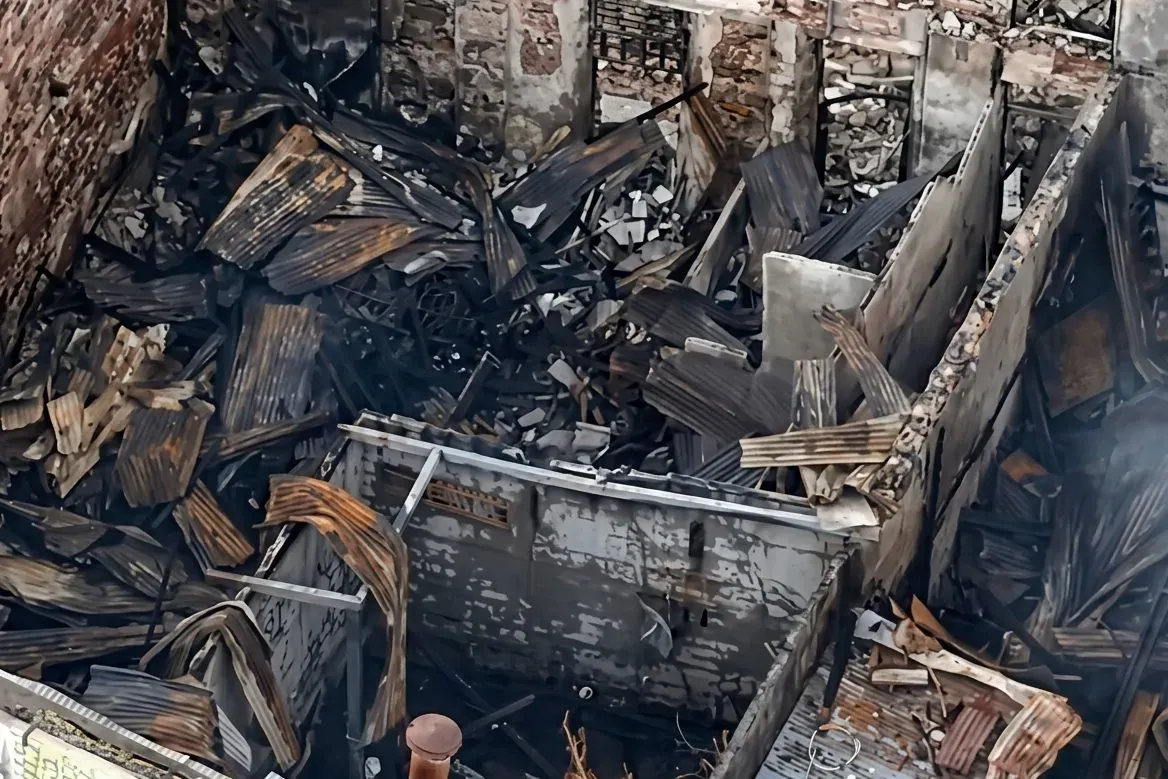
The lingering smell of smoke still hangs in the air around San Felipe. Residents of nearby buildings say they struggle to stay inside their apartments for long periods. The air quality remains poor. This is the reality for dozens of families who lost everything in two separate fires that swept through Panama’s historic districts late last month.
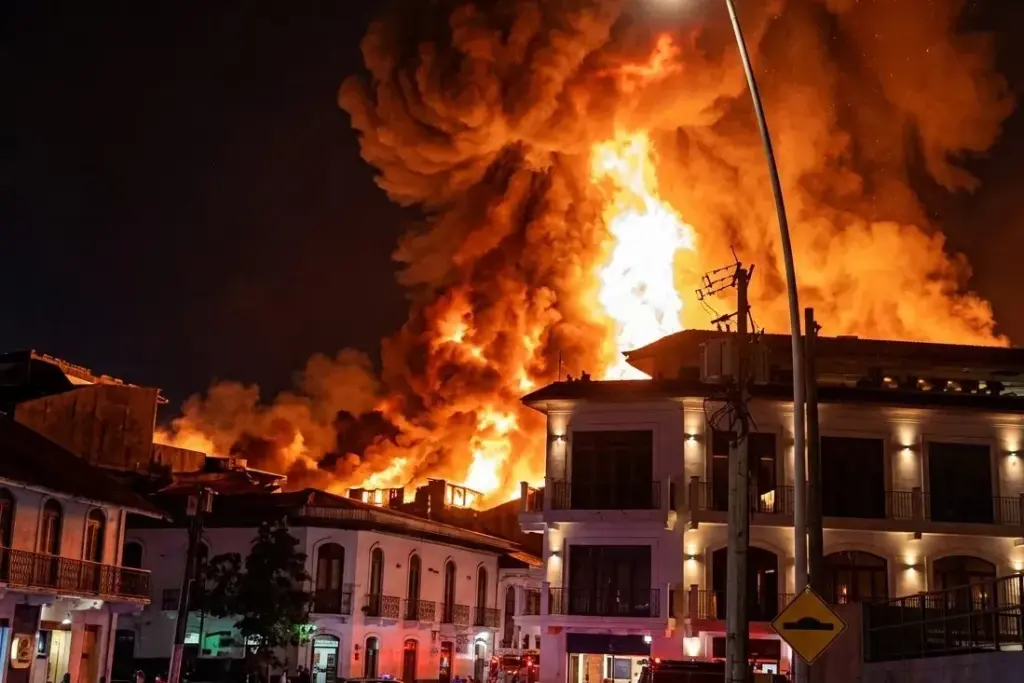
On June 28, flames tore through a building in San Felipe. Just days later, on July 1, another fire broke out in Santa Ana. Together, these incidents have displaced more than 100 people. The Ministry of Housing and Land Management Panama, known locally as Miviot, is now working to find both temporary and permanent housing for those affected.
Guillermo Leblanc, the director of Social Development at Miviot, explained the scope of the damage. The Santa Ana fire started in a commercial building. It quickly spread to nearby homes. Families had nowhere to go.
‘Yesterday, July 1, another fire occurred in the Santa Ana area. It was a commercial property that impacted residential buildings. There were a total of 41 adults and nine children who spent the night at the Santa Ana Community Board. We are looking for and working on housing solutions for them as well’ [Translated from Spanish]
The situation in San Felipe is similarly dire. Initial counts showed 22 families were affected, totaling about 81 people. Some found refuge with relatives. But 18 families had to be moved to a temporary shelter. They first stayed at the Beto Remon gymnasium. Now they have been relocated to another temporary facility.
Documentation and Eligibility for Housing Aid
Miviot officials are now reviewing paperwork. They need to determine who qualifies for permanent housing solutions through government programs. The process is not automatic. Families must prove they meet strict criteria.
One major rule stands out. Anyone who owns property registered in the Public Registry cannot receive housing benefits from Miviot. This applies to the applicant and any adult family members living with them.
‘It is important to mention that any citizen who has a property registered in their name in the Public Registry, or any of their adult family members, cannot obtain a housing solution benefit from the Ministry of Housing’ [Translated from Spanish]
This requirement has caused confusion for some families. Many renters in these historic districts do not own property. But extended family situations can complicate eligibility. Authorities are evaluating each case individually.
The Panama housing assistance programs are designed to help those with the greatest need. But the application process requires careful documentation. Families must provide identification, proof of residence, and evidence of their losses.
Historic Districts Face Repeated Fire Risks
The San Felipe and Santa Ana areas are known for their colonial architecture. Many buildings are old. They have wooden structures and narrow staircases. Fires can spread quickly. The recent San Felipe Panama fire is not an isolated event. These districts have seen multiple fires in recent years.
Some local politicians have raised concerns. They question whether the fires are accidental. A deputy has requested an investigation into possible arson. He suggested the timing of the fires might not be a coincidence. Authorities have not confirmed any criminal links. But the questions highlight the vulnerability of these historic neighborhoods.
Building codes in these areas are often outdated. Renovations are expensive. Many landlords lack the resources to modernize electrical systems or install fire safety equipment. Tenants live with the risk every day.
Temporary Relief and Long-Term Plans
For now, Miviot is coordinating food deliveries, medical attention, and shelter. The displaced families receive three meals a day. Children are being registered for school transfers. Adults are getting help replacing lost identification documents.
But temporary shelter is not a permanent solution. Officials acknowledge this. They are working to identify available housing units that could be used for relocation. Some families may qualify for rental subsidies. Others might get access to new housing developments.
The process takes time. Families must wait while their cases are reviewed. Meanwhile, the smell of smoke fades slowly from the streets of San Felipe. Life in the neighborhood continues. But for those who lost their homes, the uncertainty remains heavy.
Leblanc confirmed that Miviot will continue to monitor the situation. More families may come forward as word spreads about the available assistance. The ministry has urged anyone affected to register with local authorities. Only those who complete the census process can be considered for help.
The fires have left deep scars in these close-knit communities. Neighbors helped neighbors escape the flames. Now they must help each other rebuild. The road ahead is long. But with coordinated government support, there is hope that these families will find new places to call home.