


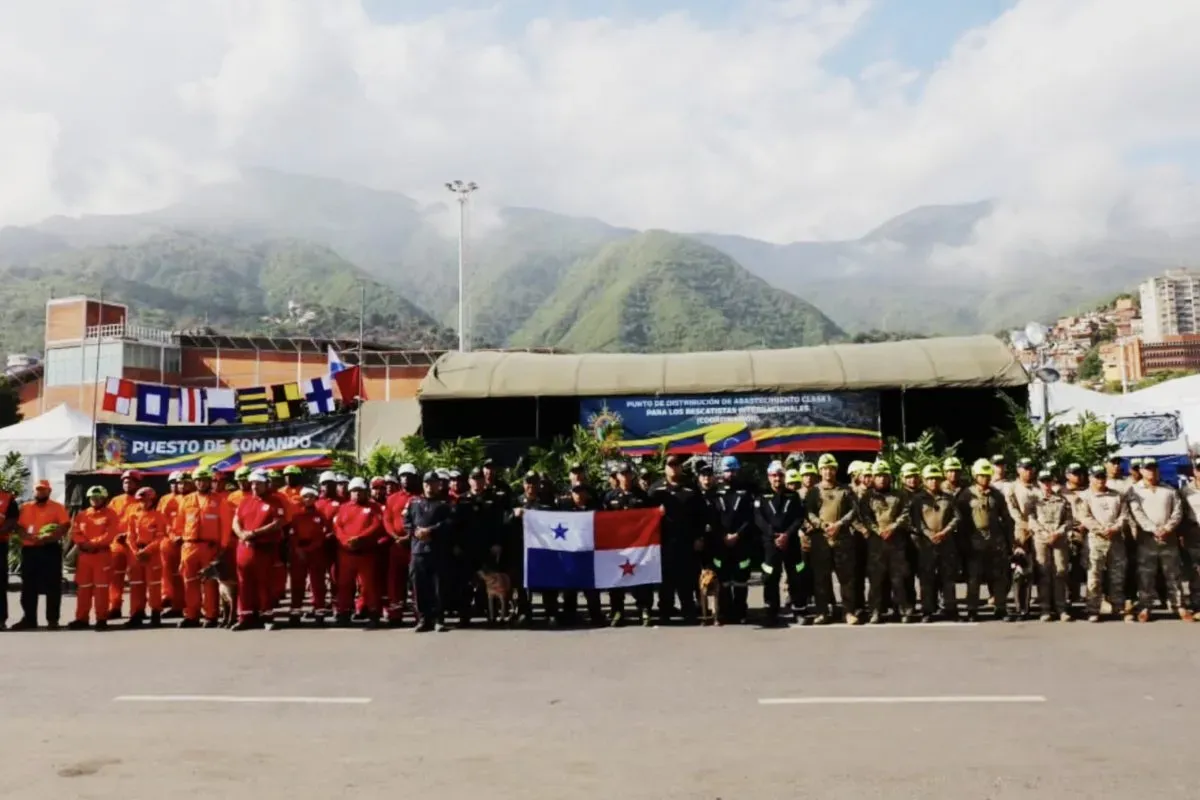
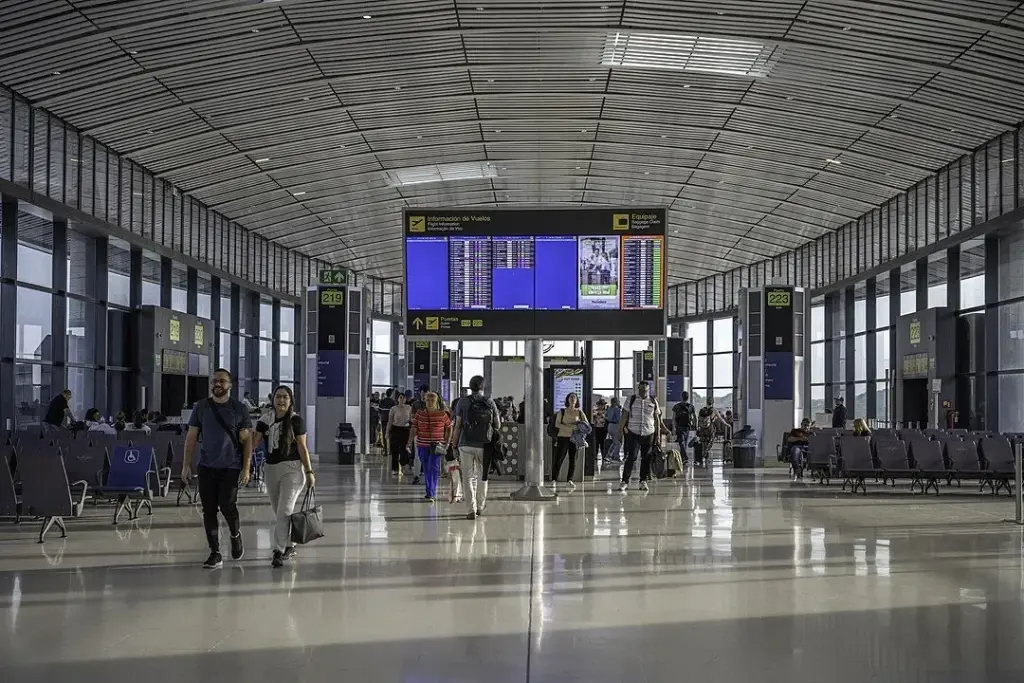
A group of 35 Panamanian rescue specialists and their two trained dogs walked through the arrival gates at Tocumen International Airport on Sunday evening, ending an eight-day deployment that took them into the heart of Venezuela’s earthquake disaster zone. The team’s scheduled landing at 7:21 p.m. marked the conclusion of one of Panama’s most significant international humanitarian missions in recent years.
The urban search and rescue contingent, officially designated USAR-PAN11, spent more than a week combing through collapsed buildings in the hardest-hit areas of La Guaira. Working in rotating shifts, the team split into four specialized units to maximize coverage across the devastated region. Their primary mission involved locating survivors and recovering victims who had been reported missing by desperate family members.
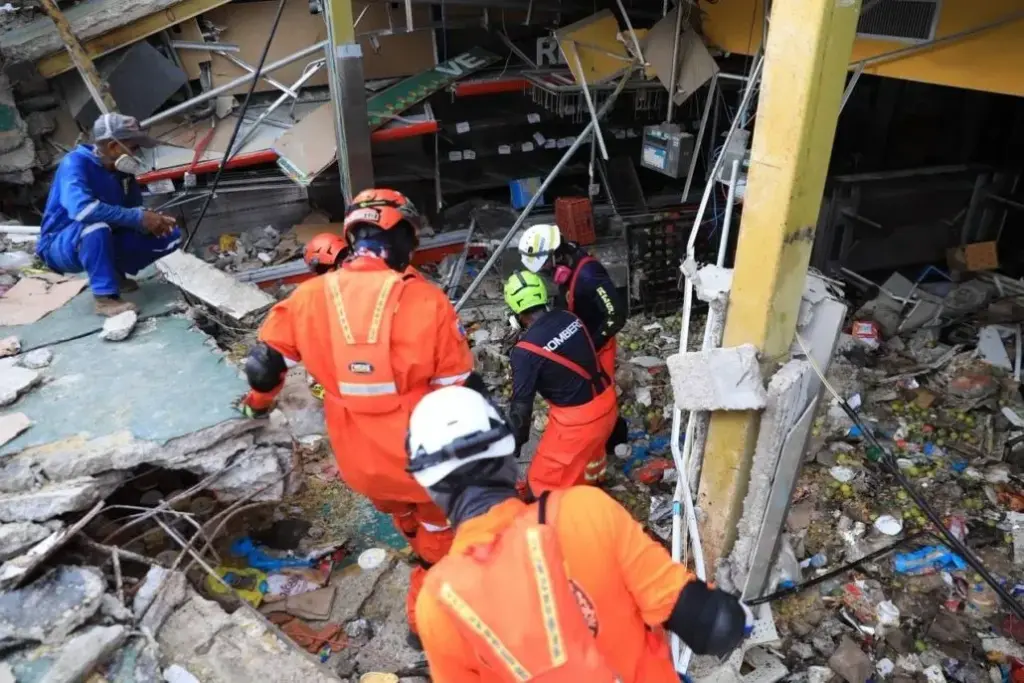
Urban Search and Rescue (USAR) Panama teams conducted technical inspections of more than 170 multifamily and residential structures that had buckled or completely collapsed during the series of earthquakes that began on June 24. The scope of the damage became clear as rescuers navigated seven major avenues lined with compromised buildings, each requiring careful structural assessment before any entry could be attempted.
Final Rescue Operation at Marina Place Building
One of the team’s last assignments brought them to the Marina Place building, where local residents had reported signs of life trapped beneath the rubble. Acting on these citizen reports, the Panamanian crew spent over five hours carefully removing debris layer by layer. The operation ended somberly when they located the body of a person who had not survived.
‘The project represents an important milestone’ [Translated from Spanish]
Throughout their deployment, the rescue teams operated under the coordination of local emergency managers who directed them to priority zones. The Panamanian specialists worked alongside Venezuelan authorities and other international response organizations, sharing technical expertise and coordinating search patterns to avoid duplication of efforts.
Panama’s National Civil Protection System, known as Sinaproc, has maintained regular communication with the deployed team, providing logistical support and tracking their progress. The agency confirmed that the rescue personnel conducted their operations without interruption, supported by technical specialists and their canine units.
Medical Assistance and Structural Assessments
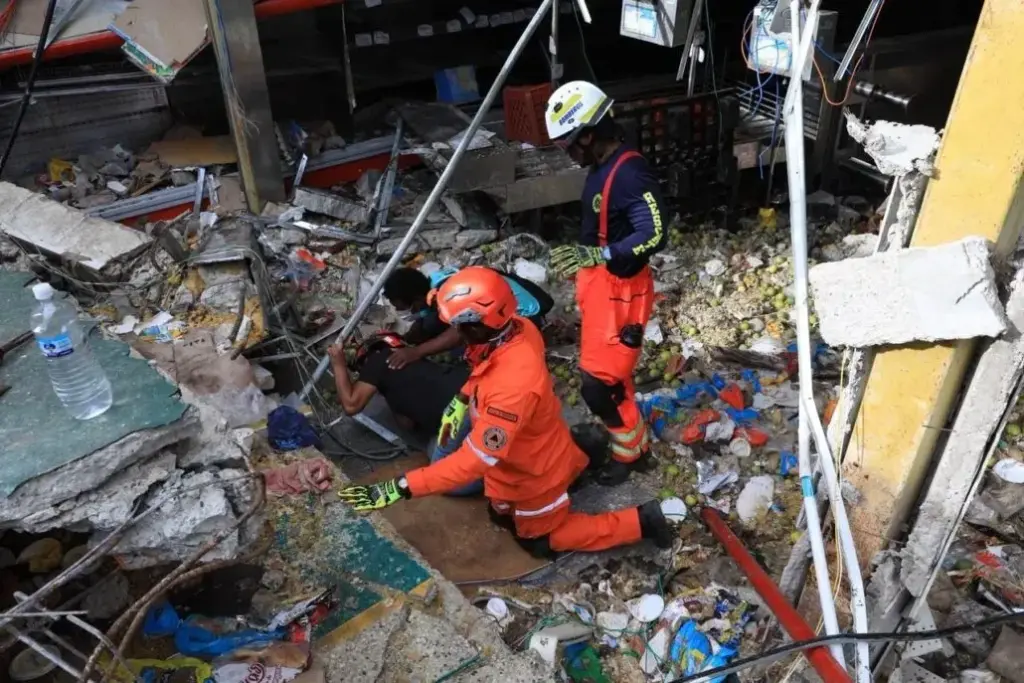
Beyond search and rescue operations, the Panamanian contingent provided medical care to earthquake survivors who had been injured or were suffering from the lack of adequate healthcare facilities. The team’s medics treated numerous patients in the field, addressing injuries ranging from cuts and fractures to more serious conditions requiring stabilization.
The structural assessments performed by the team served a dual purpose. Engineers and rescue specialists identified buildings that posed immediate collapse risks, helping local authorities cordon off dangerous areas. They also pinpointed structures where victims might still be trapped, allowing rescue teams to focus their efforts on the most promising locations.
Venezuelan officials organized a formal ceremony on Friday to thank the Panamanian delegation for their assistance. The event recognized the technical expertise and interinstitutional cooperation that characterized the mission. Representatives from both countries spoke about the importance of international solidarity during natural disasters.
International Humanitarian Cooperation
This deployment represents a significant chapter in Panama’s growing role as a provider of international disaster relief. The country has invested in training and equipping its search and rescue teams to meet international standards, allowing them to operate effectively in foreign disaster zones.
The team’s return to Tocumen International Airport on Sunday night brought closure to a mission that tested the limits of Panama’s emergency response capabilities. The rescue workers, many of whom had not slept more than a few hours at a time during their deployment, emerged from the airport terminal to reunite with their families.
Sinaproc officials have indicated that the lessons learned during this mission will inform future training programs and equipment acquisitions. The experience gained in Venezuela, where the team faced challenges including unstable structures, difficult terrain, and emotional encounters with grieving families, cannot be replicated in any training exercise.
The two canine members of the team, specialized in detecting human scent beneath rubble, also returned safely. These dogs played a crucial role in the search operations, often locating victims that human rescuers might have missed. Their handlers reported that the animals performed admirably under extremely stressful conditions.
As the team settles back into their normal routines, the broader emergency response community will study their reports and recommendations. The data collected during this mission, including structural failure patterns and search methodology effectiveness, will help improve disaster response protocols not just in Panama but across the region.