


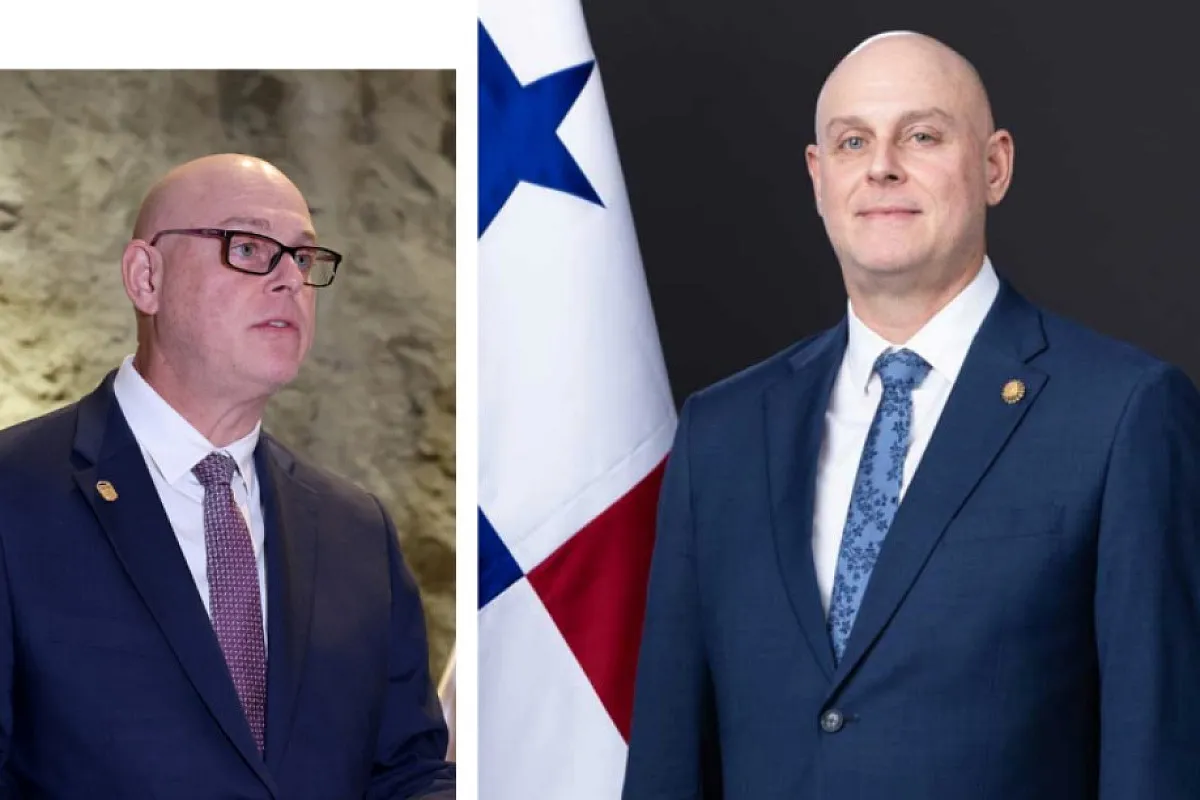
Families across Panama are desperately searching for loved ones who vanished after traveling to Eastern Europe, as the government pledges to fully finance any Russia Ukraine War Evacuation for citizens trapped in the conflict zone. The promise comes amid a grim reality: not a single Panamanian has formally requested the repatriation assistance, and officials say some may have been lured into military service under false pretenses. Vice Minister of Multilateral Affairs and Cooperation Carlos Guevara-Mann delivered the stark update this week, laying bare the limits of diplomatic power when individual decisions collide with the chaos of a war zone.
Russia Ukraine War Evacuation Promises and the Silence from the Ground
The Foreign Ministry received a direct order from the chancellor to cover all costs of bringing any citizen back from the front lines, Guevara-Mann explained. The financial barrier has been removed entirely. Yet the phones remain silent. No requests have come through official channels, and that silence deepens the mystery surrounding those who left Panama to join the fighting. The vice minister described the predicament bluntly, acknowledging that the chain of command had authorized immediate payment without any bureaucratic hesitation. But in a sprawling war where front lines shift by the hour, simply knowing how to reach Panamanian nationals becomes its own battle.
Finding these individuals has proven extraordinarily difficult. The war itself obscures communication, but so do the irregular circumstances under which some people signed contracts and crossed borders. Guevara-Mann said the government can do much more once a citizen or their family makes direct contact, but the fog of war, combined with a reluctance by some to admit their involvement, keeps many cases in the shadows. The vice minister’s office has worked through embassies and diplomatic notes, yet the absence of formal requests for a Russia Ukraine War Evacuation makes the mission nearly impossible to complete.
Four Investigations and the Allegation of Being Held Against Their Will
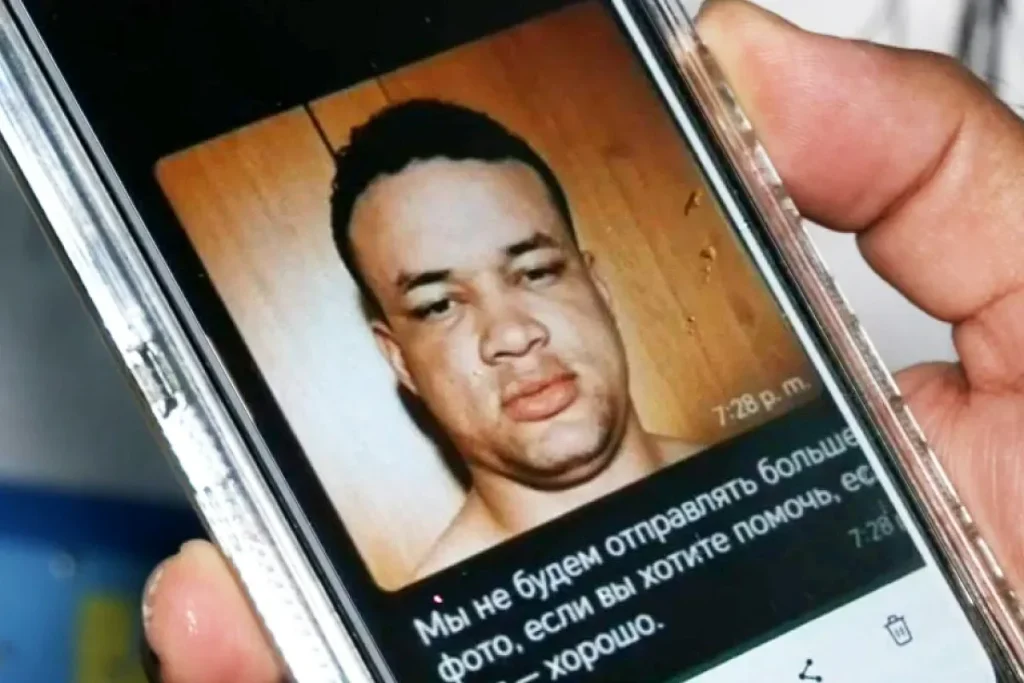
Panama’s Attorney General’s Office has opened four separate investigations linked to nationals who reportedly traveled to Russia or Ukraine and subsequently lost all communication with their relatives. Families reported their loved ones missing after weeks of silence, sparking judicial inquiries that now aim to determine whether the individuals are still alive and, if so, what their exact condition is. The investigations paint a troubling picture of people who may have believed one narrative about the opportunities awaiting them only to encounter a much darker reality.
Guevara-Mann used a word that cuts through diplomatic niceties: kidnapped.
“It is a very difficult and very painful situation, because these individuals, it’s sad to say, but they are actually kidnapped by the armed forces where they have gone to provide services, perhaps based on illusory proposals that are not real” [Translated from Spanish]
He stressed that some Panamanians accepted proposals that did not match the brutal conditions they found upon arrival. Yet the governments that Panama has approached with these concerns have vigorously denied anyone is being held against their will or that recruitment involved deception. The gap between accounts leaves families in anguish and restricts what Panamanian diplomats can achieve.
Diplomatic Channels Tested by Private Decisions
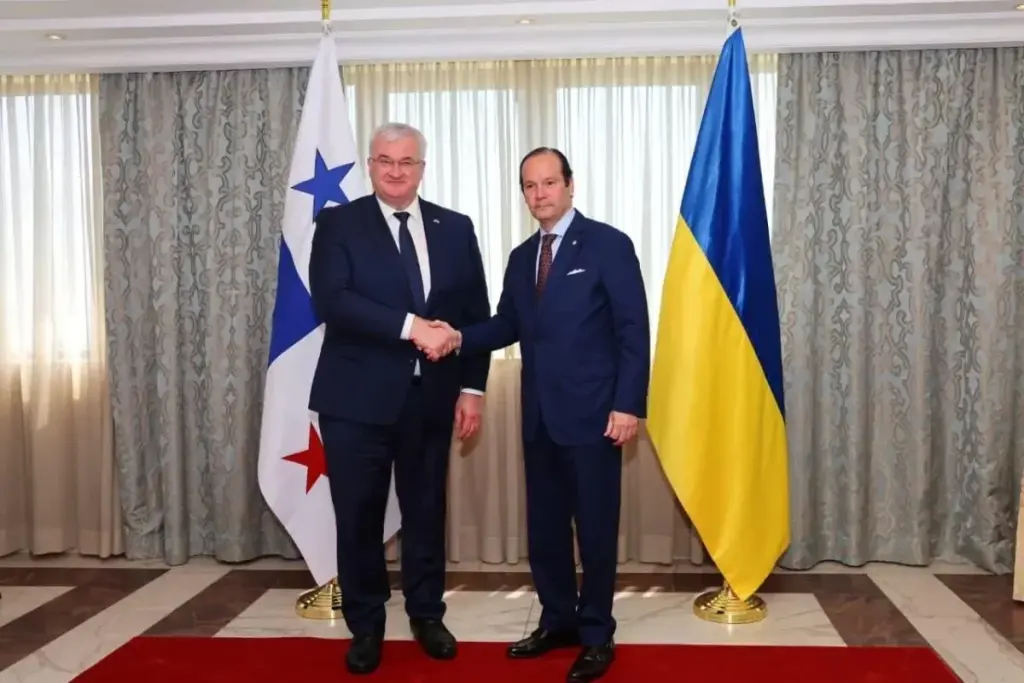
Panama’s embassies have repeatedly asked host governments for information on their citizens, and the Foreign Ministry in Panama City has summoned foreign diplomatic representatives more than once to press for answers. The exchanges are constant. Delegations have made formal requests in writing and in person, insisting on details about recruitment processes and the whereabouts of individuals who signed contracts privately. Still, the vice minister emphasized that every person who traveled to the war zone did so individually, signing agreements that turned them into voluntary participants in a foreign military apparatus. That personal choice severely limits the government’s ability to intervene.
“That’s why the Government of Panama does what it can, but we have to take into account that this is a personal decision of each individual. Very often there is a tendency to deny that presence or that situation due to the irregularity of the process. So all of that complicates things more” [Translated from Spanish]
The government’s frustration is palpable. While a fully funded Russia Ukraine War Evacuation stands ready, the pathway to using it depends on information the state cannot manufacture on its own. The investigation files from the Attorney General’s Office may eventually fill some gaps, but until then, Panamanian officials rely on sporadic signals and the hope that those still alive will find a way to reach an embassy or a consular hotline.
A Stern Warning and the Limits of Consular Protection
The vice minister’s message to the public was unwavering: no Panamanian should sign up as a volunteer for any foreign military force. He pointed to Panama’s longstanding tradition of staying out of armed conflicts and insisted that the risks far outweigh any promised reward. Personal security unravels quickly on a battlefield, and the distance from home turns rescue into a logistical nightmare even when funds are unlimited. Guevara-Mann repeated that the government will help as soon as it learns of a specific case, but that help means nothing if nobody asks for it.
Behind the diplomatic language lies an uncomfortable truth about the modern warfare landscape. The Russia Ukraine war has drawn foreign fighters through online recruitment, social media promises, and informal networks that often escape official oversight. For a small country like Panama, with consular resources stretched thin across multiple continents, a Russia Ukraine War Evacuation mission demands precise information that only the individuals themselves or their families can supply. Without those coordinates, even the most generous financial commitment remains an abstract promise. The four ongoing investigations may yet provide breakthroughs, but for now, the government’s offer hangs in the air, unanswered by the very people it was designed to save.
Panama’s stance remains consistent: stay away from foreign wars, and if you find yourself in harm’s way despite all warnings, reach out immediately. The money for a Russia Ukraine War Evacuation is there, the diplomatic machinery is engaged, and families are hoping for any sign of life. What’s missing is the voice on the other end of the line, a voice that official channels are still straining to hear across the noise of a grinding war.