


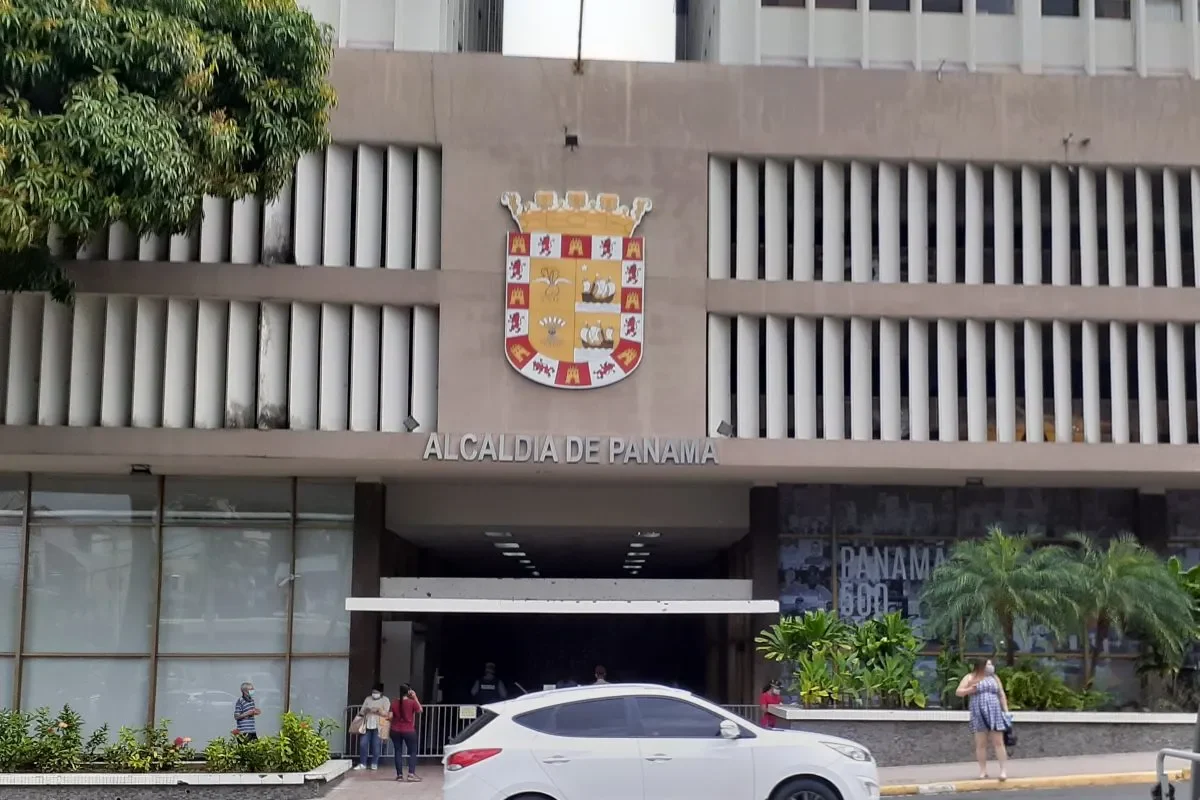
Panama City’s government collected more of its own money in 2025 than ever before, pushing municipal tax collection to a record B/.142 million. That 3 percent jump from 2023 happened without a single new levy or rate increase, according to a detailed review of the municipality’s financial statements by the Inter-American Development Bank (IDB). The report captures a quiet but dramatic overhaul, one that relied on tightening internal operations and chasing payments the city was already owed. The result, analysts said, wasn’t just a revenue record. It was a blueprint for how a Latin American capital can break out of chronic fiscal strain.
‘Beyond the numbers, the process reflects a strategy based on reorganizing administration, improving collection, addressing pending obligations, and strengthening the financial capacity of the Municipality.’ [Translated from Spanish]
Spending Cuts That Reshaped the Budget
The revenue uptick gets most of the attention, but the real shift came on the spending side. In 2023 the municipality burned through B/.224.7 million. By the end of 2025 that figure had collapsed to B/.147.9 million, a 34 percent drop in two years. Put another way, the city stopped spending roughly one out of every three balboas it used to allocate for operations. The IDB analysis noted that the 2025 expenditure level even dipped below the B/.148.1 million recorded back in 2016, marking a sharp reversal after years of expansion.

A large chunk of the savings came from a leaner payroll. The municipal workforce cost B/.61 million a year in 2023. Managers whittled that down to B/.43.6 million by 2025, a 29 percent cut. Officials described it as a right-sizing effort rather than a slash-and-burn exercise. The goal was to align staff levels with actual operational needs and stop draining the budget on fixed overhead. The changes, while invisible to most residents, freed up tens of millions that could be redirected toward back payments and service improvements.
How Municipal Tax Collection Efficiency Drove Revenue Growth
With taxes and tariffs frozen at the rates set by the previous administration, the municipality had to squeeze more out of existing structures. That meant fixing what the IDB called the city’s ability to collect. Employees zeroed in on delinquent accounts, streamlined payment channels and pushed digital tools into everyday transactions. The results showed up quickly. Own-source revenues, which cover everything from business licenses to construction permits, climbed to their highest level in the institution’s history without touching the rates citizens see on their bills.
Digital upgrades proved essential to the turnaround. The process for issuing license plate stickers and granting building permits moved online, cutting response times and eliminating paperwork bottlenecks. Residents could complete steps from a phone or computer instead of standing in line. That not just made municipal tax collection more predictable but also removed the hidden costs of slow bureaucracy. Court records and municipal reports confirm that the faster turnaround encouraged more people to pay on time, feeding a virtuous cycle the city had struggled to sustain for decades.
Another quiet fix eliminated a long-running dependency. For years the municipality leaned on transfers from the Ministry of Economy and Finance to cover a portion of its payroll, accumulating obligations it never quite cleared. By late 2025 the entire payroll was being covered with locally generated income. The change removed a recurring liability and gave budget planners a much clearer picture of what they actually controlled.

Paying Down Legacy Debts and Building Surplus
The tighter grip on spending unlocked the ability to address debts that had languished through multiple administrations. Seniority premiums owed to former municipal workers, some dating back to 2014, started getting paid. Dozens of cases that had stalled in bureaucratic limbo were resolved using the money released by the payroll reductions and tighter expense controls. The IDB review pointed to these payments as evidence that fiscal discipline can have immediate human consequences, not just dry balance-sheet improvements.
What’s left over after meeting those obligations placed the city in an unusual position. The 2025 fiscal year closed with an operating surplus close to B/.30 million, meaning the municipality spent significantly less than it brought in. When analysts placed that surplus alongside the city’s debt load, the numbers looked stark relative to other large Latin American capitals. Panama City’s debt equals just 1.3 percent of its annual revenues. In Buenos Aires the ratio sits around 43 percent, and Bogotá’s climbs past 68 percent. The municipality, in effect, carries very little baggage into its next budget cycle.
Sustaining Fiscal Discipline in a Growing City
Nobody inside the municipal administration argues that the work is done. Panama City keeps expanding, and with growth comes pressure to widen roads, upgrade drainage and pick up more garbage. The IDB study warns that the real test will be whether officials can resist the temptation to let spending balloon again now that the worst of the crunch has passed. The report frames the current moment as a window in which good municipal tax collection habits can harden into permanent institutional practice or disappear under the weight of new political demands.
The two-year transformation offers a case study in what happens when a city government rethinks its relationship with money before reaching for higher taxes. Reorganizing payrolls, digitizing routine services and methodically chasing down overdue payments may not make headlines. But together they produced a B/.52 million drop in annual spending and the highest own-revenue tally Panama City has ever recorded. As other municipalities across the region grapple with post-pandemic deficits, the capital’s experiment hints at a less painful route forward.
In a region where mayors often reach for rate hikes or handouts at the first sign of fiscal trouble, Panama City’s 2025 numbers show that simply collecting what’s already owed can rewrite a budget. Keeping that discipline alive in a booming city, the IDB analysis suggests, depends on continuing to treat municipal tax collection not as a seasonal chore but as the core engine of everything the capital hopes to build next.