


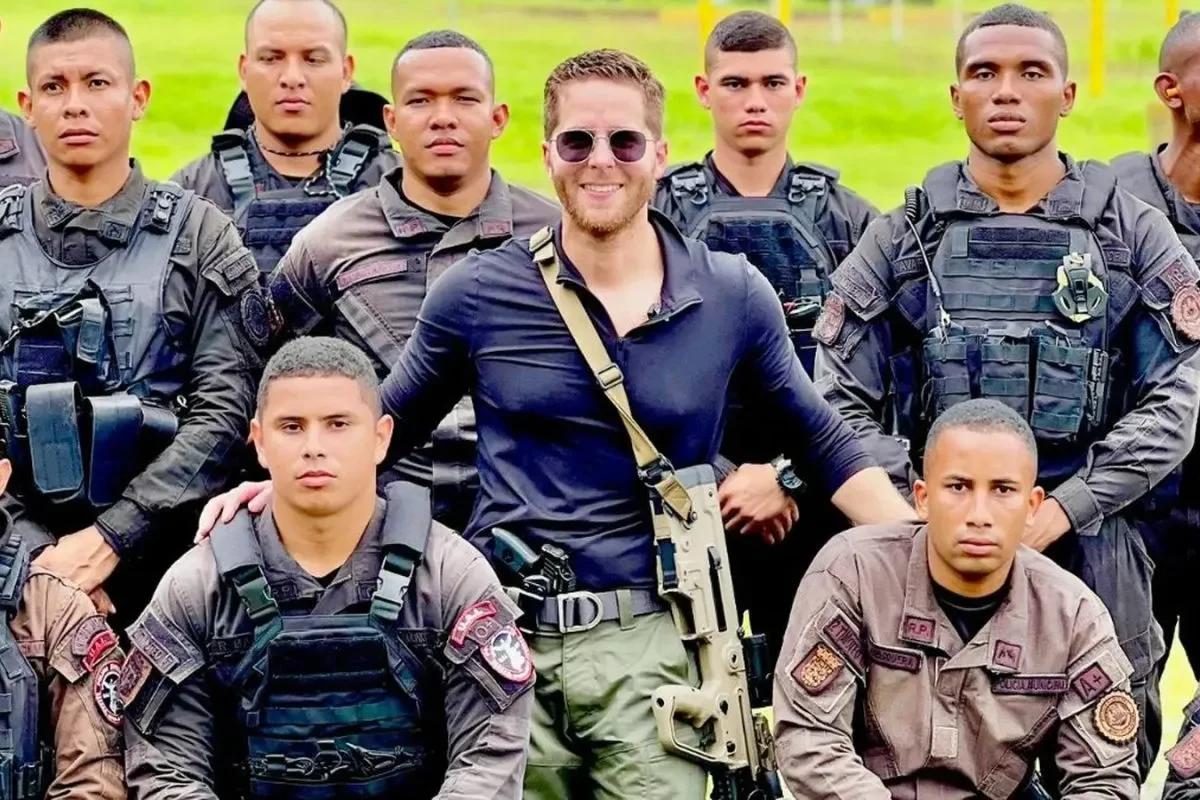
The Panama municipal police force has become the focus of a deepening constitutional dispute as Mayor Mayer Mizrachi defends expanded authority to search, detain, and temporarily hold individuals. Panama’s Supreme Court recently admitted an unconstitutionality claim against Agreement 162, the June 17, 2025 regulation that created that broader mandate, placing the future of local policing powers before the country’s highest tribunal.
Presidential Opposition and Legal Challenges
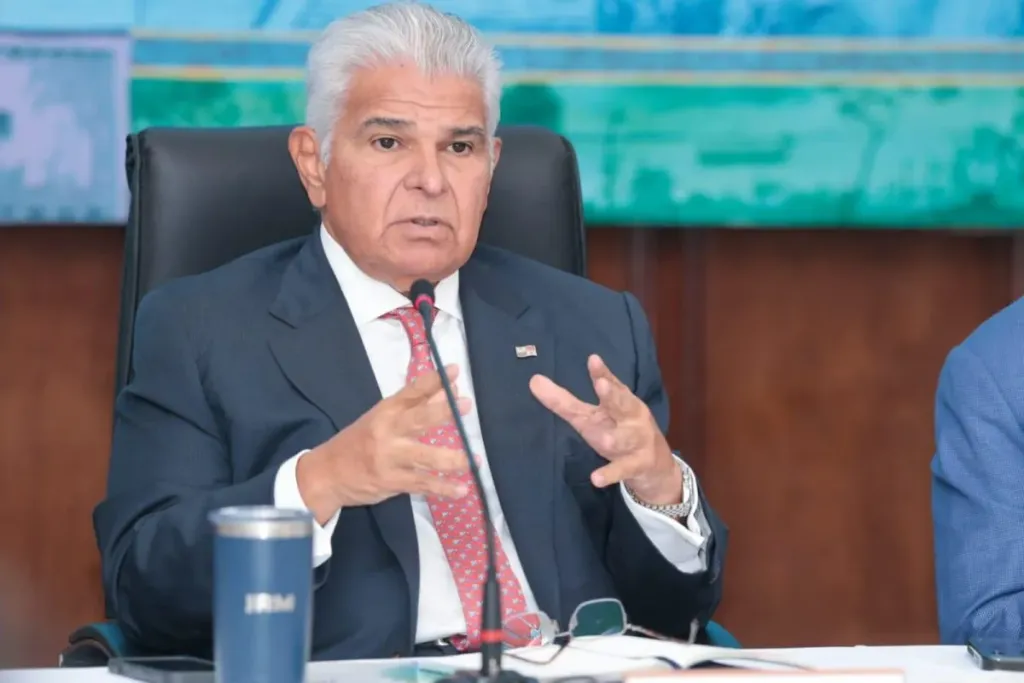
President José Raúl Mulino has not hidden his disapproval of the new municipal police model. In a public message, the president argued that municipal forces were originally created to protect parks and monuments, not to function as a parallel police agency. He warned that allowing each mayor to adopt similar rules could produce chaos.
“I am against the new concept of municipal police. That was born to take care of parks and monuments and cannot be transformed into another police force. Besides being unconstitutional, each mayor could do the same and it would be a disaster, apart from the uniforms that are confused with SPI.” [Translated from Spanish]
Mulino added that he hopes the agreement gets struck down by the courts. The Ministry of Public Security has also objected and presented a nullity demand before the Supreme Court. Earlier, the National Police filed another unconstitutionality challenge, but the court declined to admit it. More recently, the high court accepted a claim from lawyer and deputy Ernesto Cedeño, ensuring the legal question will be examined.
Panama Municipal Police Role Defended as Complementary
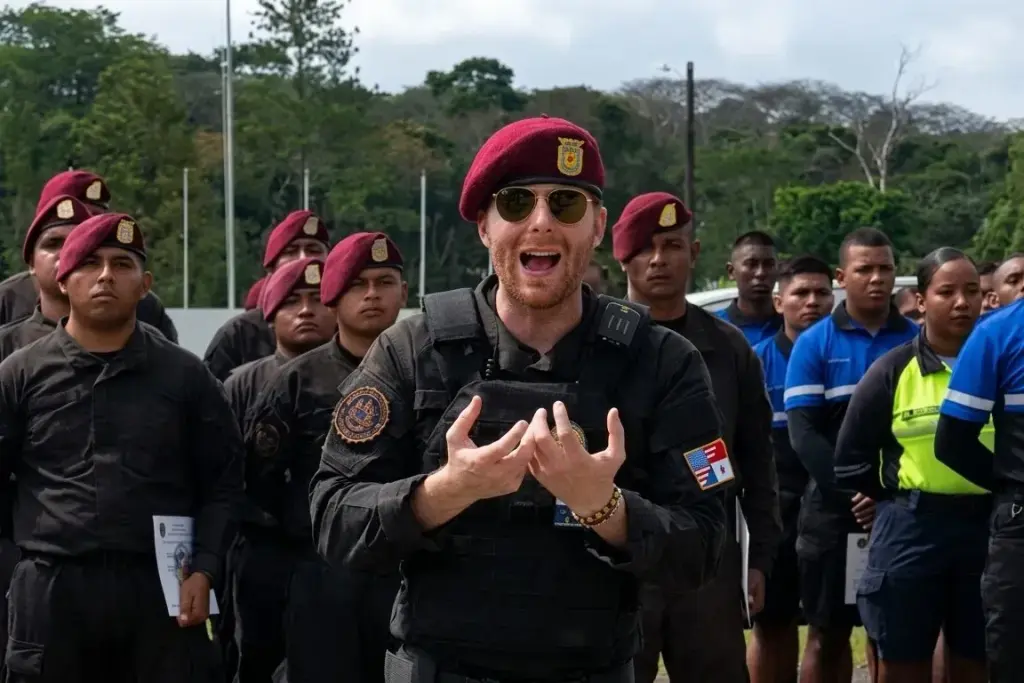
For Mayor Mizrachi, the controversy misses a basic point. He dismissed the criticism as pure “politicking” and insisted that municipal agents do not intend to replace the National Police but rather complement security work coordinated with the Ministry of Security. The legal fight over Panama municipal police powers comes as the capital’s mayor seeks to position local agents as an additional layer of public safety.
Mizrachi noted that the force has existed for 30 years and that similar bodies have operated in other municipalities for more than a century. He placed security as a top concern for residents, second only to unemployment.
“It is a police force that existed 30 years ago and has been present in other municipalities for more than 100 years. So I think we really need to focus on what matters. Politicking exists, and people’s needs exist. After unemployment, security is the number two concern for citizens.” [Translated from Spanish]
The mayor also said municipal officer actions are coordinated with the Ministry of Security and aligned with national agencies, despite the ministry’s formal objection to the expanded powers.
Violent Protest Raises Questions About Officer Conduct
Tensions around the municipal force intensified after a protest by former Panama City employees demanding payment of a seniority bonus. During that demonstration, an altercation between a municipal agent and a former worker left the ex-employee with a severe head injury and cerebral hemorrhage. The person remains hospitalized in critical condition according to information supplied by authorities.
Mizrachi later acknowledged failings in the conduct of some municipal police officers and said suspensions were being evaluated following the incident. That admission cast further doubt on the readiness of the force to exercise preventive powers under the new agreement.
What Happens Next for Municipal Security Policy
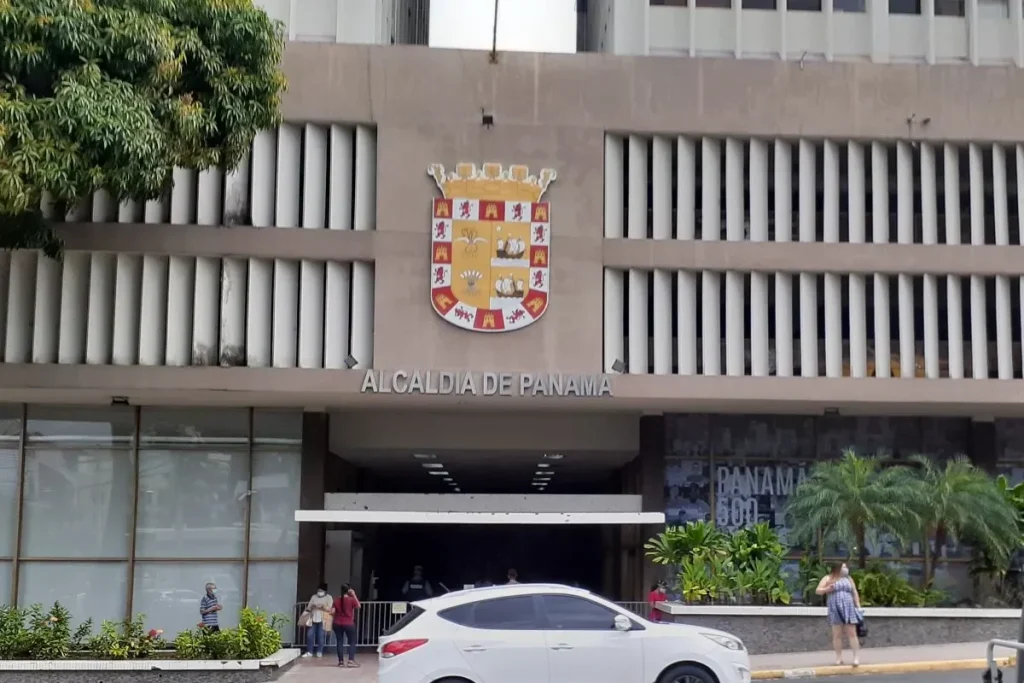
Agreement 162 establishes the organization, structure, and operations of the Panama City Police Directorate. Its “use of force” provisions grant municipal officers the ability to carry out searches, make apprehensions, and execute preventive detentions before handing a person to competent authorities. Those powers have triggered the central legal question: can a municipal government grant authority reserved for national public security bodies?
The Supreme Court must now decide whether the agreement conforms to Panama’s Constitution and laws or whether it invades competencies belonging to national security institutions. The ruling may set a precedent for how local governments define public safety roles across the country.
Ultimately, the court’s decision will resolve a conflict that has divided municipal and national authorities over security responsibilities. While Mizrachi frames the expanded Panama municipal police powers as a necessary complement to citizen safety, the president and security officials see them as a constitutional overreach. The outcome could determine whether Panama City retains a broader local police role or returns the force to its traditional functions guarding urban spaces.