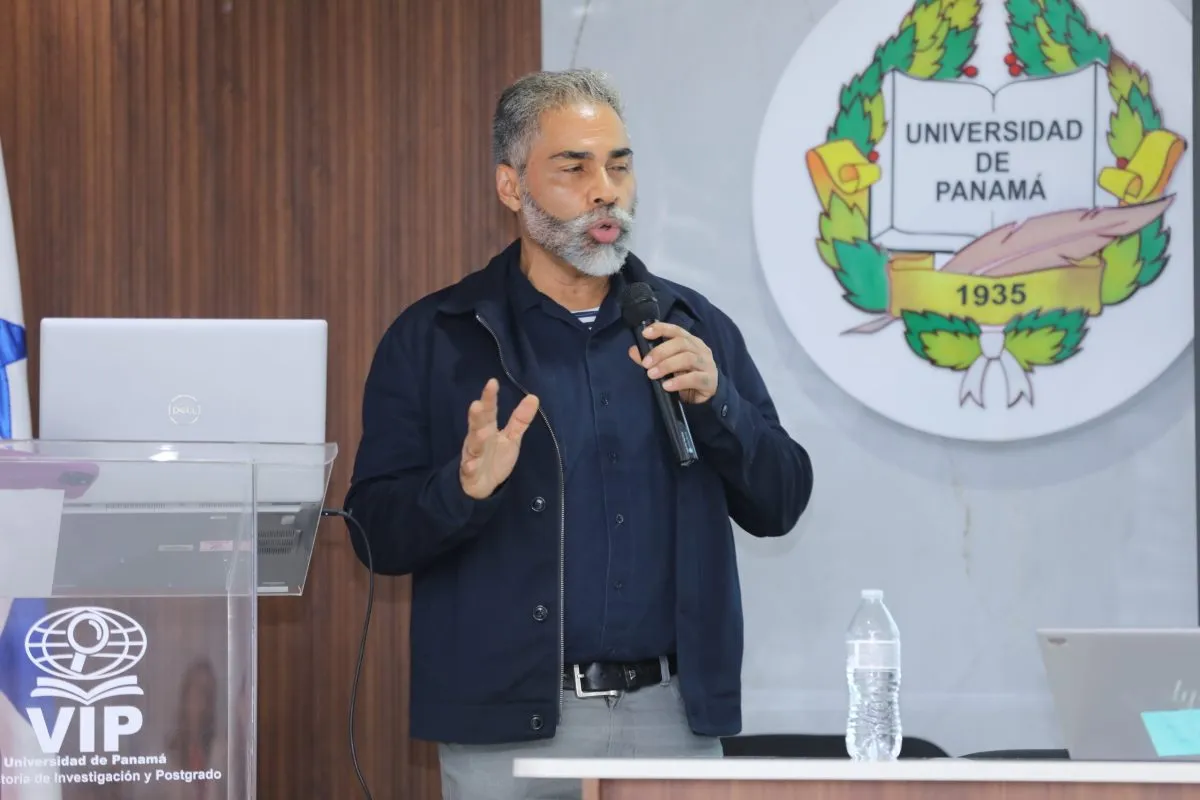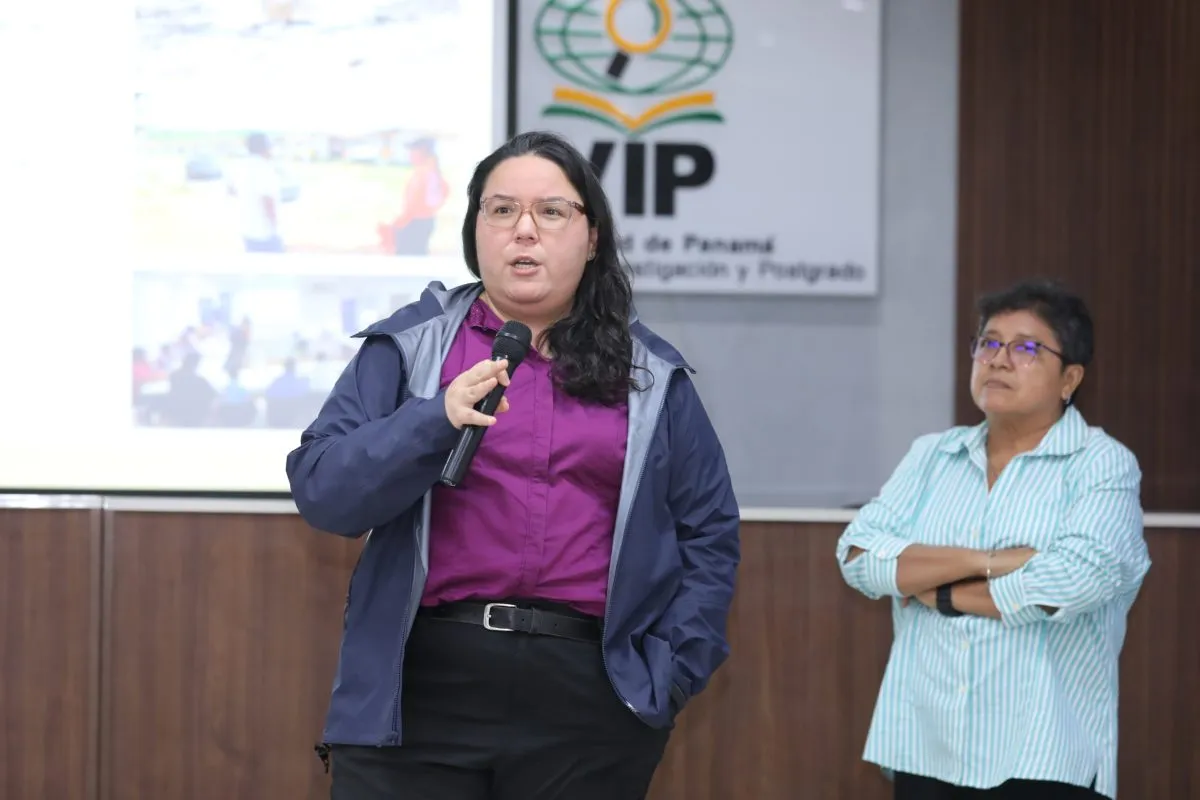
Fifty-six percent of the 515 people who joined Panama’s public consultation on planned relocation were women, while 18 percent self identified as indigenous. Those participants helped refine a nationwide climate relocation protocol that the National Climate Change Committee of Panama unanimously validated on August 28, 2026. The decision, reached during the committee’s fourth ordinary meeting of the year with an absolute majority of members present, signals a formal national response to climate displacement.
Climate Relocation as a Last Resort Framework
The Ministry of Environment coordinated the protocol’s development through its Climate Change Directorate, with support from public agencies, civil society organizations, and international partners including the Platform on Disaster Displacement and Expertise France. The document serves as an operational public policy tool. It establishes criteria, procedures, and minimum standards for identifying, evaluating, deciding, planning, implementing, and tracking planned relocation processes.
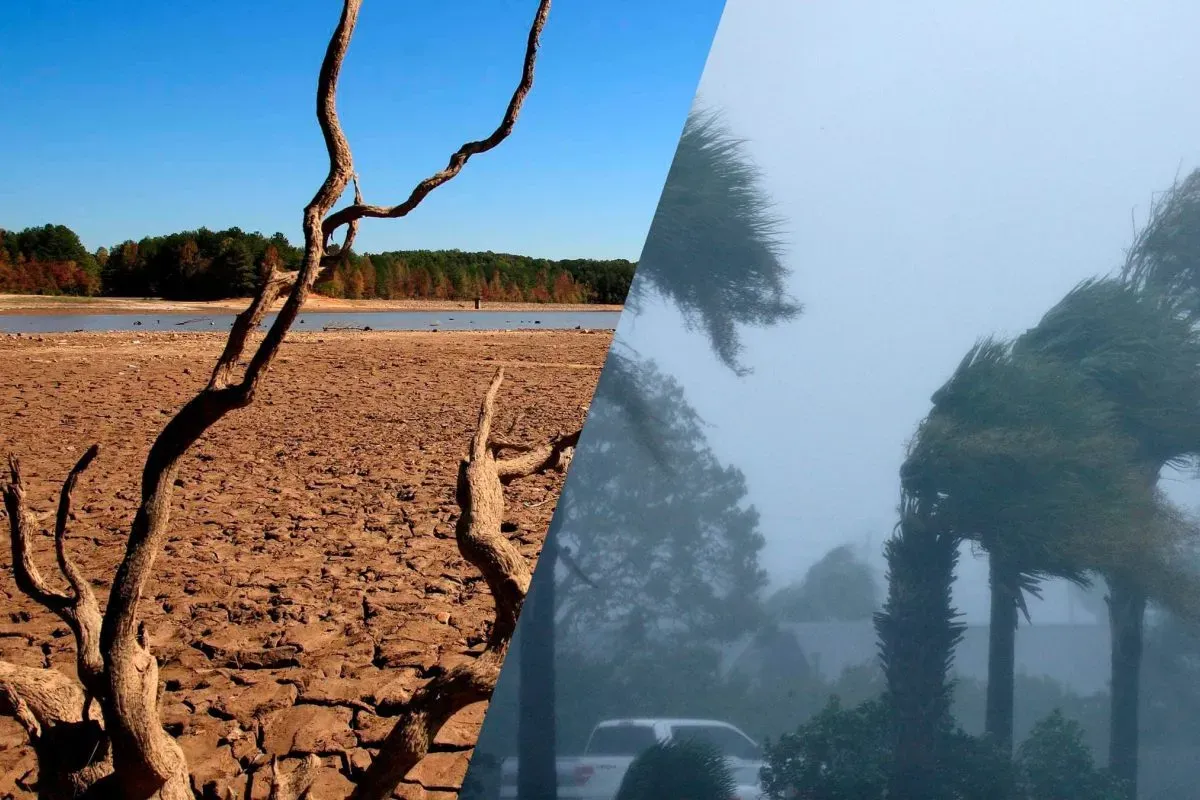
But the framework does not rush toward moving people. Any climate relocation effort must first exhaust risk reduction and adaptation options in the original location. Officials designed six phases from the earliest identification stage through stabilization, follow-up, and eventual closure. Nine guiding principles keep the process grounded in human rights protection, non discrimination, universal accessibility, meaningful participation, transparency, comprehensive risk management, and environmental sustainability.
Public Input and Indigenous Safeguards
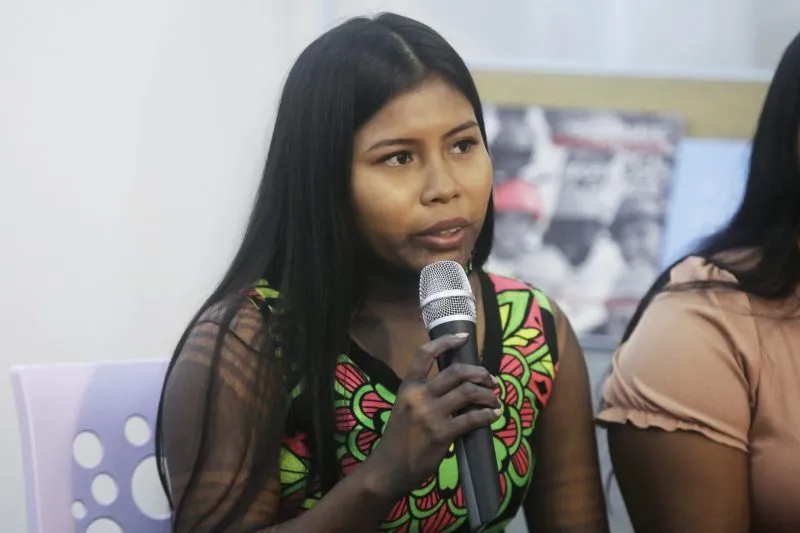
The version approved in August incorporated feedback from a consultation process that ran from April to May 2026. It included three virtual sessions and thirteen in-person workshops spanning ten provinces and two comarcas. Of the 515 participants, women made up a strong majority, and self identified indigenous people accounted for nearly one in five attendees, giving the protocol a broad community foundation.
Indigenous communities receive specific protection under the protocol, including a guarantee of free, prior, and informed consent before any climate relocation that affects them. The instrument also creates a National Coordination Table and local tables to link national institutions with territorial actors, always respecting each authority’s legal powers. These structures aim to ensure that relocation decisions never bypass the people most directly at risk.
From Validation to Legal Adoption and Operational Use
Ana Aguilar, national director of Climate Change at the Ministry of Environment, called the validation an important but incomplete milestone.
“The validation of the Protocol represents an important step, but it is not the point of arrival” [Translated from Spanish]
She stressed that the instrument must become institutionalized and applied on the ground.
“The challenge now is to turn this instrument into an effectively institutionalized and applicable tool in the territory, so that when a relocation is necessary, it can be carried out in a coordinated, informed, participatory and respectful manner of the rights of the communities” [Translated from Spanish]
With validation complete, Panama moves into legal adoption and operationalization. This next phase will reinforce institutional capacities, coordination mechanisms, application tools, and monitoring systems. The goal is a progressive build-up of state capacity to anticipate risks, make informed decisions, and accompany relocations that protect communities without creating new vulnerabilities.
Broader Climate Monitoring Context
The Panama Canal Authority also briefed the committee during the same meeting on national climate and hydrological monitoring and measures tied to the El Niño phenomenon. That presentation underscored the broader environmental pressures that make such frameworks necessary.
For a country where rising seas and extreme weather already threaten vulnerable settlements, the protocol offers a structured way to turn climate risk into coordinated action, protecting communities without creating new vulnerabilities.