


![Mesenchymal stem cells being injected into the knee of patient By [Alice Pien, MD] - Own work, CC BY-SA 4.0, https://commons.wikimedia.org/w/index.php?curid=72199870](https://expat-times.com/panama/wp-content/uploads/2026/08/stem-cell-injection-knee-ama-regenerative-medicine-1200x800-1.webp "Hazardous Stem Cell Treatments – Panama Investigates 6 Clinics")
The price tag alone catches attention. Between $5,000 and $50,000 for injections that promise to reverse spinal cord injuries, calm autoimmune flare-ups, or turn back the clock on aging. Panama’s Ministry of Health has now opened formal investigations into establishments offering stem cell treatments after years of warnings from the country’s National Bioethics Research Committee.
Health authorities confirmed they inspected two facilities and opened administrative files after detecting possible sanitary violations, including missing operating permits, documentation gaps, and products lacking sanitary registration. The inspections mark a significant escalation in a regulatory battle that has simmered for nearly a decade, as commercial clinics increasingly market unproven therapies to both local patients and international medical tourists.
Medical Tourism Marketplace Draws Regulatory Scrutiny
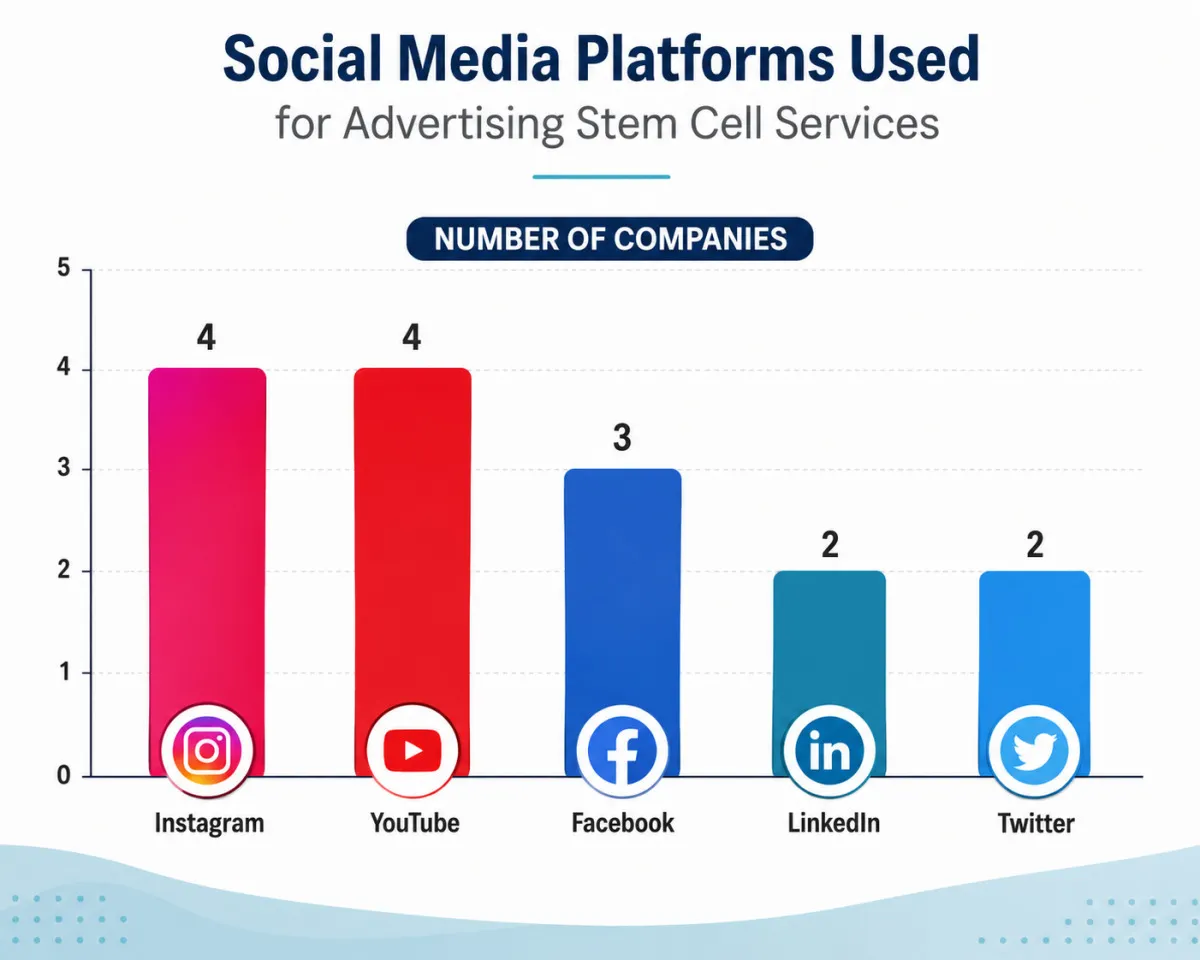
A study published July 23 in the scientific journal Stem Cell Reports documented the commercial landscape in stark detail. Researchers from the Gorgas Memorial Institute for Health Studies and the National Bioethics Research Committee identified at least six companies actively promoting stem cell treatments in Panama as of late 2025. The research received support from the National Secretariat for Science, Technology and Innovation (Senacyt) and the Social Security Fund (CSS).
These companies used websites and social media platforms to reach patients both inside Panama and abroad, packaging their offerings around the concept of medical tourism. The conditions they claimed to treat ranged from spinal cord injuries and neurological diseases to multiple sclerosis, autism spectrum disorder, cerebral palsy, cardiovascular and pulmonary diseases, chronic pain, fertility problems, and even anti-aging. What struck researchers most was the disconnect between these marketing claims and the actual scientific evidence supporting such interventions.
Panama has long positioned itself as a regional hub for medical services, with modern hospitals in Panama City attracting patients from across the Caribbean and Latin America. But the growth of stem cell clinics has created a parallel market that operates with far less oversight. Some facilities explicitly target international clients, offering package deals that include treatment, lodging, and recovery services. This cross-border appeal complicates local regulatory efforts and raises difficult questions about jurisdiction and accountability.
Bioethics Alerts Trigger Formal Investigations
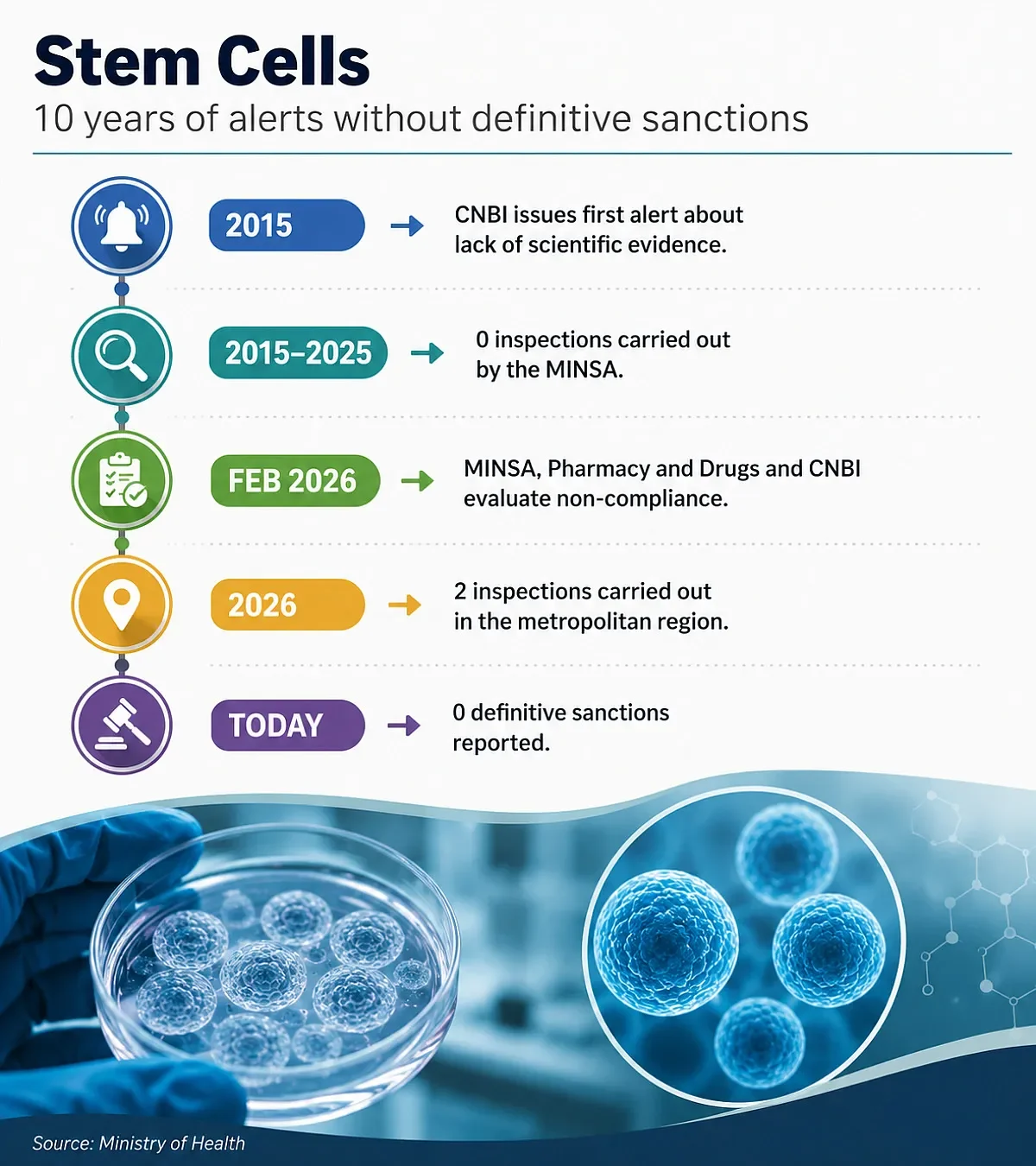
The current investigation traces back to February of this year, when officials from the Public Health Directorate, the National Pharmacy and Drugs Directorate, and the National Bioethics Research Committee met to analyze possible violations tied to the promotion of stem cell treatments. That meeting produced a clear directive for the Metropolitan Health Region to investigate and verify the establishments flagged by the ethics committee.
Jesica Candanedo Pérez, chief of the Health Research Regulation Unit, and Liliane Valdés, chief of the Health Facilities Department, both with the Ministry of Health, described the sequence of events. The Metropolitan Health Region carried out inspections based on alerts submitted by the CNBI. During those visits, inspectors documented findings, issued citations, and initiated administrative proceedings against the establishments in question.
The ministry did not specify how many inspections it has conducted between 2015 and 2026, nor how many sanctions, fines, or other administrative measures it has imposed during that period. That lack of transparency frustrates patient advocates who argue that regulatory action has been slow to materialize despite years of documented concerns. The bioethics committee had issued warnings long before the Stem Cell Reports study brought renewed attention to the problem.
Digital Marketing Creates Cross-Border Enforcement Gaps
A significant obstacle facing Panamanian regulators is the borderless nature of online promotion. Candanedo and Valdés acknowledged that some establishments design their digital platforms primarily for international audiences and, in certain cases, restrict access to their content from within Panama. This geo-blocking tactic makes it difficult for local authorities to identify the services being offered or verify the advertising claims being made.
When authorities cannot locate a business through publicly available information, they must conduct additional investigative work to continue their inquiries. The ministry said its surveillance mechanisms can also be activated through complaints from technical organizations, health professionals, or citizens, as well as information found on websites, social media, and other promotional channels. But the digital landscape evolves faster than regulatory frameworks, leaving gaps that savvy operators exploit.
Similar challenges confront regulators across Latin America and beyond. Countries including Mexico, Costa Rica, and Colombia have grappled with stem cell clinics marketing unproven therapies to foreign patients. The International Society for Stem Cell Research has repeatedly called for stronger oversight of direct-to-consumer marketing. Panama’s experience illustrates a broader global tension between innovation, patient demand, and the need for rigorous evidence.
Distinguishing Proven Therapies From Unproven Stem Cell Treatments
Medical science recognizes specific, evidence-based applications for stem cells. Hematopoietic stem cell transplants, for instance, serve as established treatments for blood diseases and certain immune system disorders. These cells can be obtained from bone marrow, peripheral blood, or umbilical cord blood, and their use is supported by decades of clinical research and regulatory approval.
This stands in sharp contrast to the commercial offerings identified by researchers. The companies analyzed promoted treatments using cells derived from umbilical cord tissue or blood, fat, or bone marrow for conditions that currently lack robust clinical evidence. Conditions like spinal cord injury, autism spectrum disorder, and cerebral palsy have attracted significant research interest, but experts caution that most applications remain experimental and should only occur within controlled clinical trials with proper oversight.
The ministry stated it will continue strengthening coordination with the National Pharmacy and Drugs Directorate, the National Transplant Committee, the CNBI, and other competent bodies. That coordination matters because the regulatory landscape for cell-based products spans multiple agencies with overlapping responsibilities. Clarifying those roles and establishing clear standards for what constitutes approved therapy versus experimental intervention remains an urgent priority.
For patients weighing expensive treatment options, the stakes are profoundly personal. A $50,000 investment in an unproven therapy carries risks beyond financial loss, including potential harm from contaminated products, improper administration, or delayed access to evidence-based care. The ministry’s investigation represents a step toward accountability, but broader questions about how Panama will regulate this fast-evolving sector remain unresolved. The coming months will reveal whether administrative proceedings translate into meaningful sanctions or simply more procedural delay.