


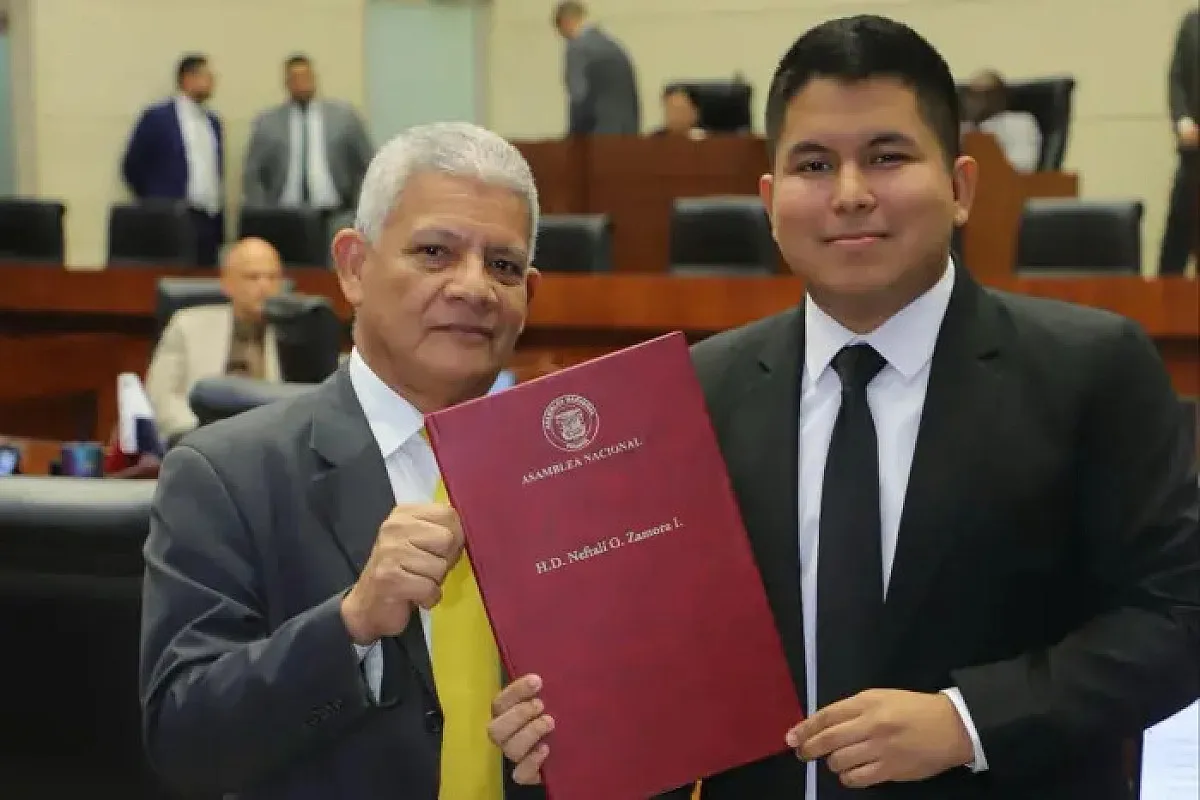
A fresh push to let Panamanian voters decide the country’s future in the Central American Parliament has emerged in the National Assembly, with an annual price tag of more than $2.3 million at the center of the debate. The Panama plebiscite proposal, reintroduced last week by Deputy Neftalí Zamora, seeks to place a straightforward question before citizens: should the Republic of Panama remain a member of Parlacen or walk away from the regional body altogether.
Zamora’s initiative would hand the Electoral Tribunal full responsibility for organizing, financing, and directing the national consultation if the Assembly approves it and the president signs it into law. The measure explicitly frames the vote as non-binding, a deliberate design choice aimed at steering clear of the constitutional pitfalls that doomed a previous withdrawal attempt more than a decade ago.
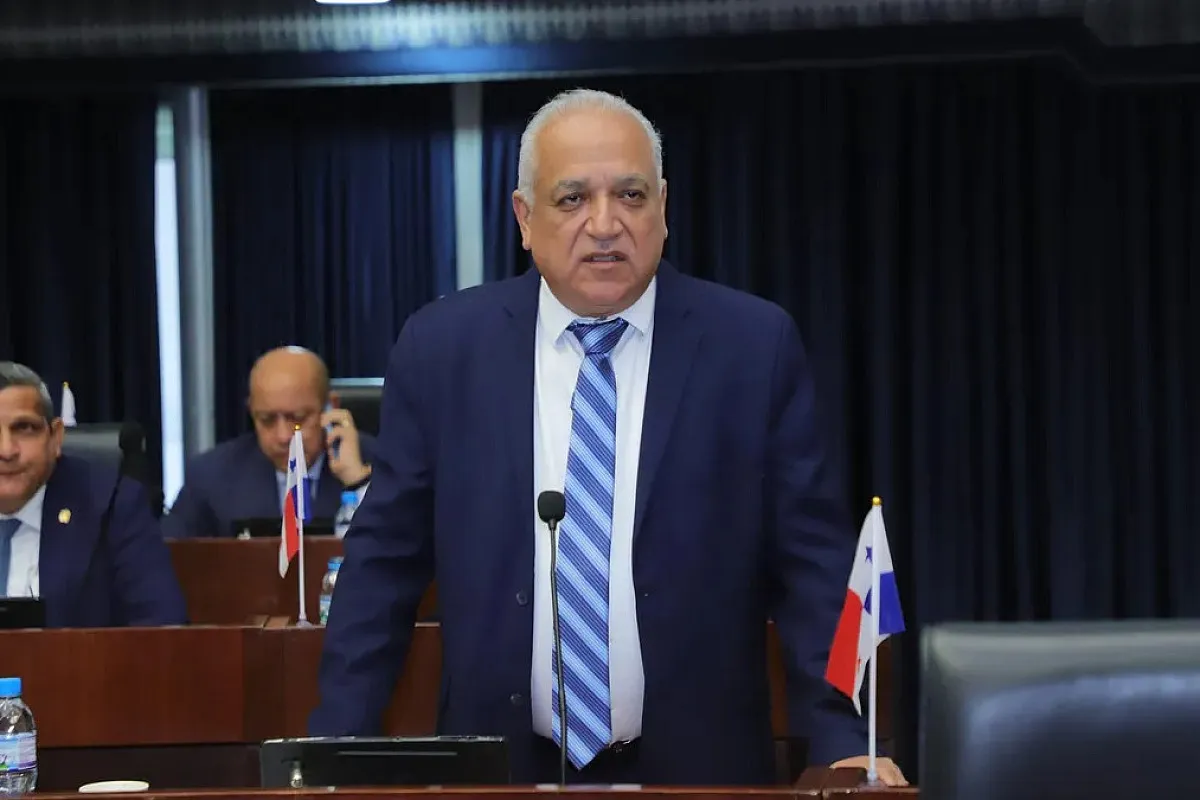
Panama Plebiscite Proposal Faces New Legislative Landscape
The political arithmetic has shifted since Zamora first floated this idea in July of last year. That earlier version stalled when the Government Commission, then led by ruling-party deputy Luis Eduardo Camacho, declined to advance the bill. Now the commission sits under the chairmanship of PRD deputy Benicio Robinson, and Zamora sees a window for the initiative to actually reach the Assembly’s agenda.
Zamora does not belong to the Vamos bench, making his persistence on this issue a personal crusade rather than a party-line priority. The text of the proposal spells out the ballot question with precision: voters would answer yes or no to whether Panama should continue its membership in the Central American Parliament. The Electoral Tribunal would determine the timing of the vote, should the legislative and executive branches sign off.
Immunity, Costs, and Uncertain Returns Drive the Debate
At the heart of Zamora’s argument sits a trio of concerns that he says make continued participation difficult to justify. The first involves parliamentary immunity, which he argues has historically slowed criminal proceedings and complicated investigations involving Parlacen deputies. The second is financial: documents from the Ministry of Foreign Affairs cited in the proposal’s explanatory memorandum show Panama contributes $2,322,069 annually to the regional body.
The third concern cuts deeper. Zamora contends that Panama’s membership produces no tangible, measurable benefits for the country. The parliament issues non-binding resolutions on political matters that are then elevated to the Central American Integration System, or SICA. But those resolutions carry no exclusive weight in the bilateral or multilateral negotiations Panama conducts on its own terms.
“Panama’s participation in the Central American Parliament is not necessary to negotiate or carry out international agreements, nor is it necessary to maintain the regional integration that Panama already enjoys in Central America and continues to strengthen through its diplomatic efforts” [Translated from Spanish]
That assessment frames the core of the deputy’s position: Panama can preserve its diplomatic relationships and regional cooperation without paying for a parliamentary body that, in his view, delivers resolutions rather than results. The non-binding nature of Parlacen’s output means the country’s foreign policy machinery operates independently regardless of membership.
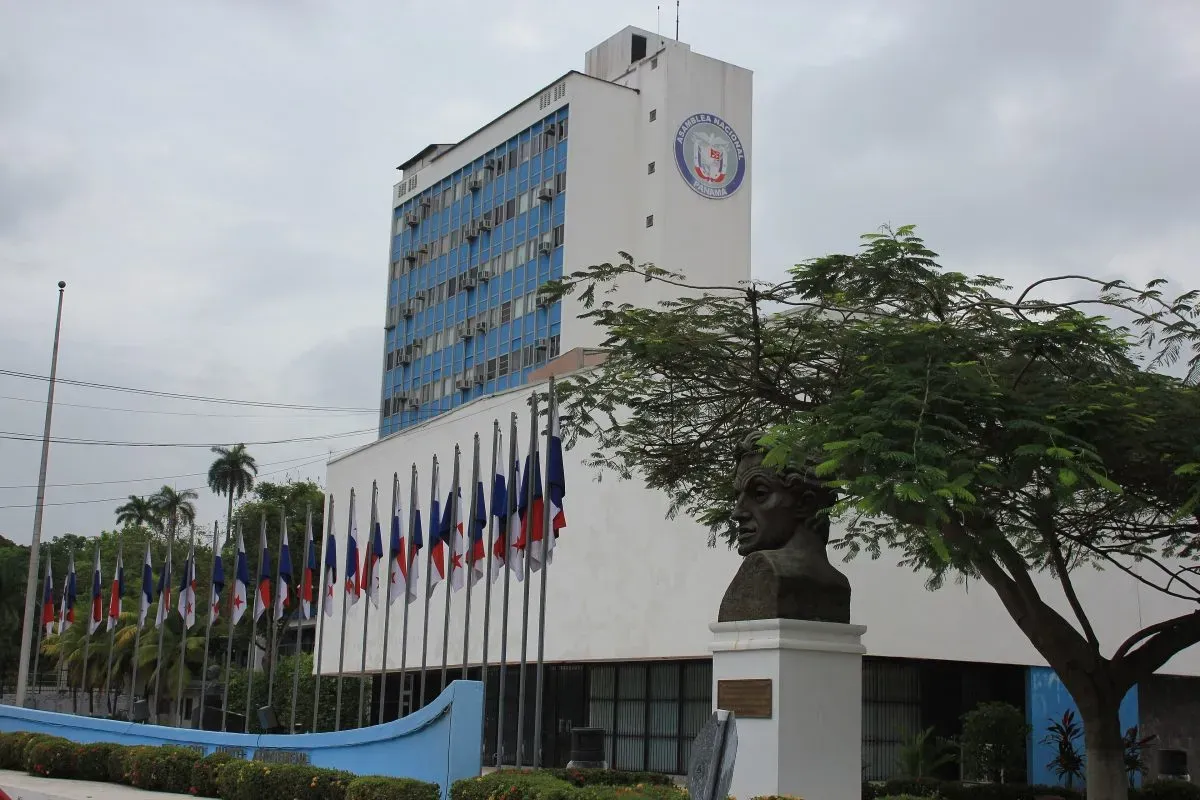
A 2009 Precedent Looms Over the Current Effort
Panama has traveled this road before, and the path ended in a judicial dead end. In 2009, the National Assembly approved legislation to pull the country out of Parlacen, only for the Supreme Court of Justice to strike down the law as unconstitutional. Zamora points to a critical nuance in that ruling: the Court did not evaluate whether Parlacen membership was effective or beneficial for Panama. The justices confined their analysis to the constitutional viability of the withdrawal mechanism itself.
That distinction shapes the current strategy. By making the plebiscite’s outcome non-binding, the proposal avoids recreating the legal vulnerability that sank the 2009 effort. Instead, the vote would function as a democratic and transparent exercise, giving the presidency a clear signal about the sovereign will of the people regarding Parlacen membership.
“The Electoral Tribunal will convene, organize, regulate, finance, and direct the holding of the plebiscite..” [Translated from Spanish]
The proposal’s language suggests that even without legal force, a decisive popular mandate could push the executive branch to pursue a constitutionally sound exit strategy. That middle path, consultation without compulsion, represents a pragmatic evolution from the failed legislative approach of 2009.
What Comes Next for the Exit Consultation
The fate of the Panama plebiscite proposal now rests with the Government Commission and its president, Benicio Robinson. If the commission votes to advance the bill, it would move to the full Assembly for debate and a potential vote. From there, the president would need to sanction the measure before the Electoral Tribunal could begin the logistical work of organizing a national consultation.
Zamora’s persistence reflects a broader sentiment among some Panamanians who question the return on investment in regional parliamentary institutions. The annual contribution of more than $2.3 million, combined with lingering concerns about immunity provisions, provides substantive material for public debate. Still, the road ahead remains uncertain, and the commission’s willingness to take up the measure will signal whether the proposal gains traction this time or meets the same quiet end as its predecessor.