



A Dutch member of the European Parliament has called on Brussels to withdraw the yellow card that has hung over Panama illegal fishing oversight since December 2019, arguing that the country has already delivered enough reforms to deserve relief. Álvaro Sebastian Kruis submitted a formal question to the European Commission requesting a concrete roadmap with defined criteria so Panama can move beyond the warning and toward a restored green card.
The request comes as Panamanian authorities continue audits and interagency coordination through the Aquatic Resources Authority of Panama. Officials in Panama City have long insisted that the country has strengthened its fisheries controls, but the European Commission has not yet laid out a public set of benchmarks for lifting the measure.

Strategic Role Raises Stakes for the EU
Kruis urged the Commission to weigh Panama’s strategic importance in Latin America when evaluating the case. The country operates one of the world’s busiest shipping registries, manages the Panama Canal through its national logistics system, and serves as a critical transshipment point for global trade. Those factors make European cooperation with Panamanian maritime authorities especially valuable, the lawmaker indicated.
The yellow card itself does not ban seafood exports, but it signals formal EU concerns about weak controls on illegal, unreported and unregulated fishing. Countries that fail to address those concerns can eventually face a red card, which blocks fisheries products from entering European markets. For Panama, the warning has remained in place even as officials have pressed for recognition of their enforcement improvements.
European fisheries policy uses the card system as market leverage for better ocean governance. A yellow card is the second stage of the EU’s warning process, after a pre-identification phase, and it places a country under closer scrutiny. The stakes are significant for Panama because the European bloc remains an important market for high-value seafood products and a key partner in maritime trade.
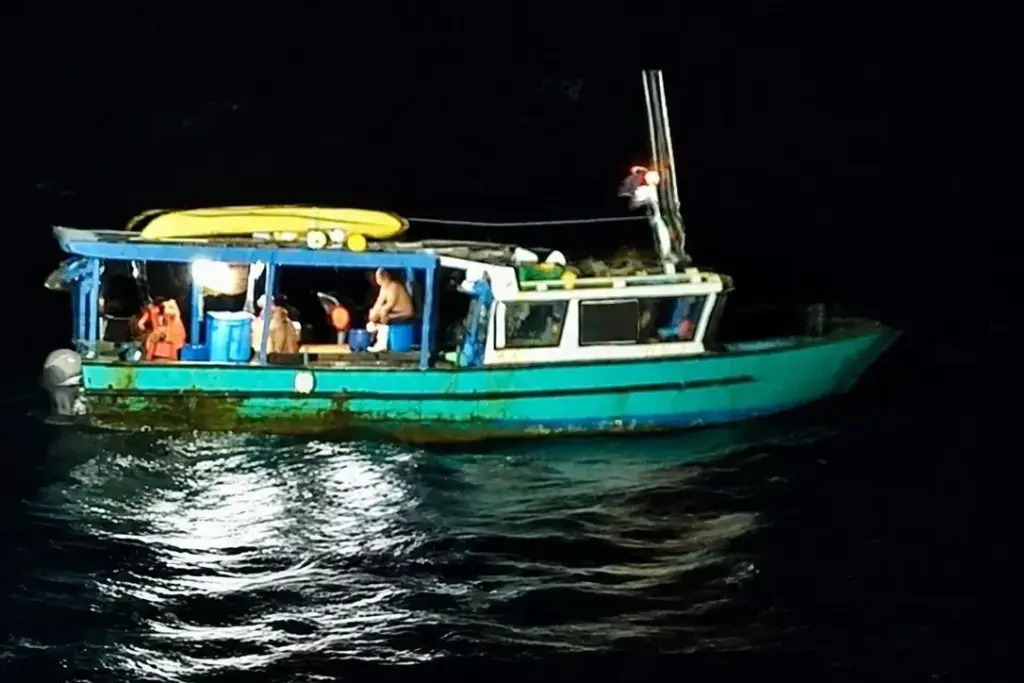
Panama Illegal Fishing Controls Advance at Ports and Plants
Since the warning was issued more than six years ago, Panamanian agencies have strengthened several layers of oversight. Kruis acknowledged progress in legislative reforms, the recruitment of inspectors, the operation of a monitoring center, and tighter controls at ports and processing facilities. These are not cosmetic changes, he suggested, but structural upgrades intended to detect and deter unlawful catches before they enter the supply chain.
The national government has also been working to complete an electronic traceability system that tracks fish from landing to export. Officials describe the platform as technically complex and demanding in terms of administrative capacity and budget, which explains why implementation has taken time. Kruis accepted that timeline but argued the Commission should not use the unfinished component as a reason to keep Panama stuck under the same warning.
“Panama has complied. The Commission must recognize its progress and withdraw the yellow card as soon as possible” [Translated from Spanish]
Panama’s ports and processing plants have become central to its enforcement strategy. Inspectors now carry out checks at multiple points where fish are landed, processed and prepared for export. The monitoring center gives authorities a real-time view of vessel activity, which is essential for a country with such a large maritime registry.
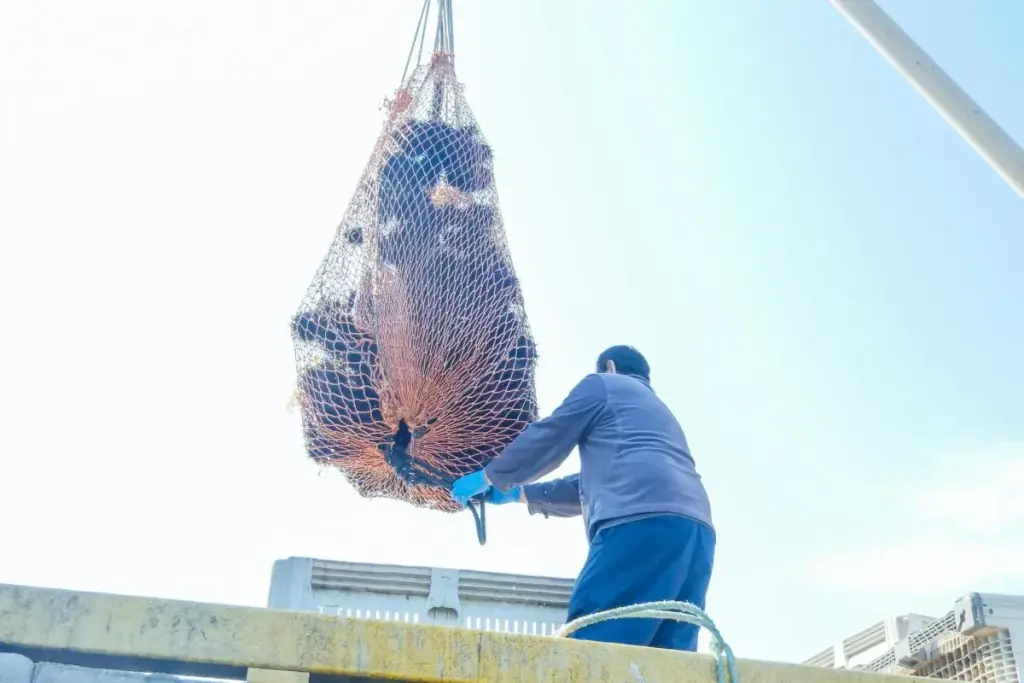
Clear Criteria and Technical Assistance Remain Missing
In his parliamentary question, the Dutch MEP asked the European Commission to spell out the specific benchmarks Panama must meet to escape the yellow card. He also asked what technical assistance the EU can provide to help the country finish its traceability platform and other reforms. That request reflects a broader frustration among Panamanian officials, who have long sought a transparent path out of the warning system.
Kruis floated the idea of turning the process into a mechanism for cooperation and support rather than a series of warnings. Such a shift could give Panamanian agencies more direct access to European expertise. It would also recognize that developing maritime states often need extended timelines to build reliable monitoring infrastructure.
Panama’s significance as a flag state compounds the urgency. Many commercial vessels around the world sail under the Panamanian flag, which means the country’s regulatory decisions influence global shipping practices far beyond Central America. European importers, shipping companies and port operators all have an interest in seeing Panamanian fisheries controls work well.

Green Card Hopes Depend on Brussels Response
Panamanian authorities continue to pursue the green card through audits and coordinated work across institutions, with the Aquatic Resources Authority of Panama leading much of the effort. The country has repeatedly signaled that it wants formal recognition of its achievements, not just an indefinite continuation of the current status. For its part, the European Commission has not yet publicly set out a detailed roadmap for lifting the measure.
Observers say the EU’s decision will likely hinge on whether it sees the electronic traceability system as sufficiently operational and whether enforcement data supports a durable reduction in unlawful fishing activity. The warning has never been solely about laws on paper. It also involves inspection capacity, port checks and the ability to trace consignments through complex supply chains.
The debate around Panama illegal fishing enforcement illustrates a common tension in EU fisheries policy. The bloc wants to use market access as leverage for better ocean governance, but it must also maintain diplomatic and commercial ties with strategically located partners. Panama, with its canal, logistics hub and maritime registry, occupies a special place in that calculation. A clear set of conditions from Brussels could either accelerate the country’s exit from the yellow card or keep it in regulatory limbo for years to come.