


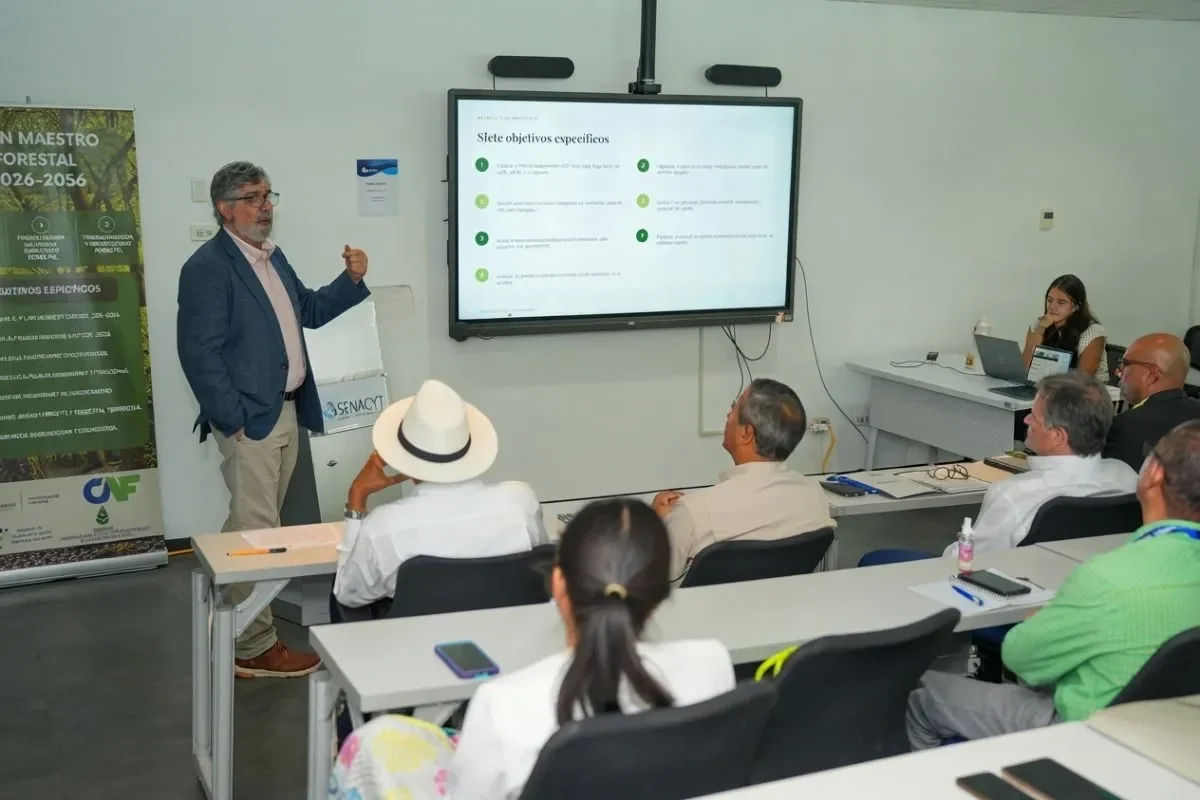
Panama’s Ministry of Environment has begun crafting a comprehensive strategy that could fundamentally change how forest management Panama approaches its relationship with timber, native species, and private capital. The Forest Master Plan, unveiled during an initial coordination meeting, aims to move the country beyond a purely extractive model and into a new era of sustainable development over the next year and a half.
The process brings together the National Forestry Directorate, the National Forest Management Committee (Conagefor), and technical specialists, with financial backing from the Development Bank of Latin America and the Caribbean (CAF). Officials framed the initiative as a structured effort to identify what works, what doesn’t, and where the greatest opportunities lie across Panama’s forest sector.
Private Sector Investment Drives Forest Recovery Vision
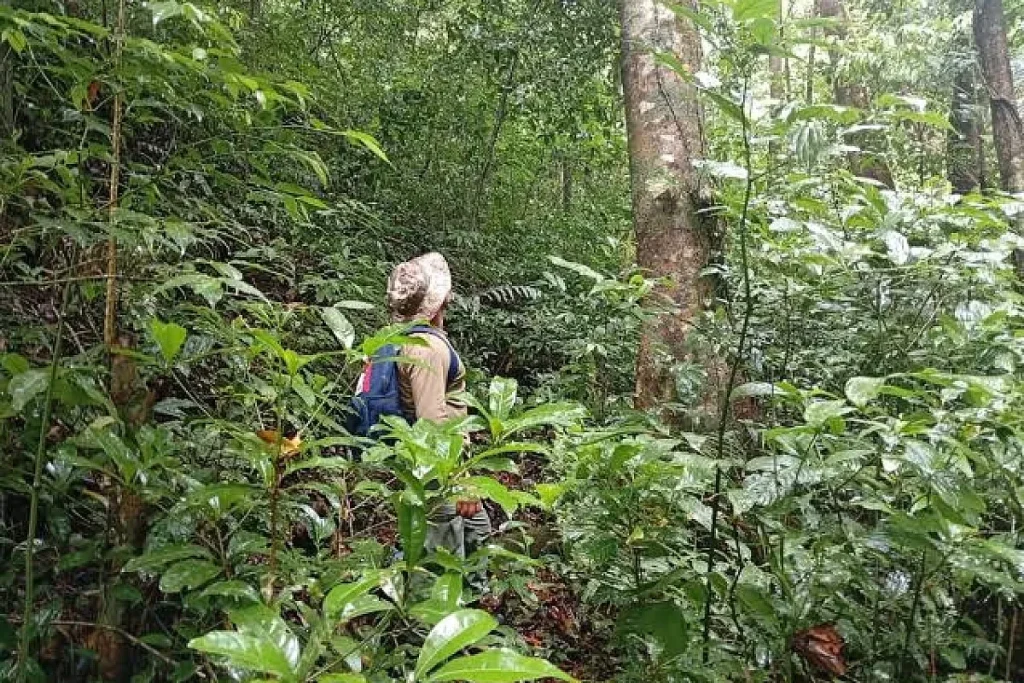
One of the plan’s most notable features centers on recovering significant stretches of land through native and timber species, with private sector financing and administration playing the lead role. This approach reflects a broader regional trend of blending conservation goals with market-based mechanisms, recognizing that long-term sustainability often depends on economic viability.
The government wants the final plan to serve as the foundation for a new national forest industry. That industry would balance resource exploitation with the protection of native forests and biodiversity, a goal officials say is achievable given Panama’s existing assets and decades of accumulated expertise.
Fifteen Month Timeline Shapes Forest Management Panama Strategy
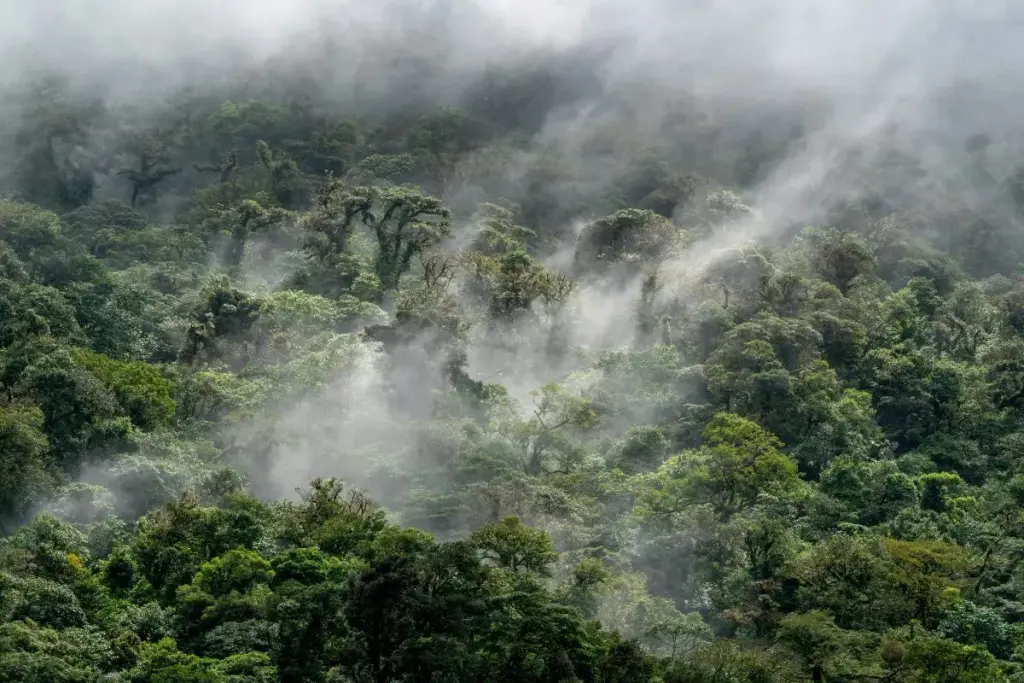
Over the next 15 months, a specialized consulting group will gather data, hold consultations, and produce recommendations that address everything from conservation priorities to commercialization pathways. The work includes identifying needs, difficulties, opportunities, and priorities across the sector, as well as mapping out better coordination between institutions.
Director Carlos Espinosa Peña emphasized that the plan must incorporate technical knowledge and direct experience from people who work in forestry every day. The consultation process involves Conagefor, technical teams from the National Forestry Directorate, and private sector representatives who will contribute information and proposals throughout each stage of development.
“We want the Master Plan to capture the needs, challenges and opportunities that exist in terms of conservation, management, plantation cultivation, use, transformation and commercialization of forest resources, incorporating technical knowledge and the experiences of those who work directly on these topics.” [Translated from Spanish]
Minister Cites Strong Foundations and CAF Support
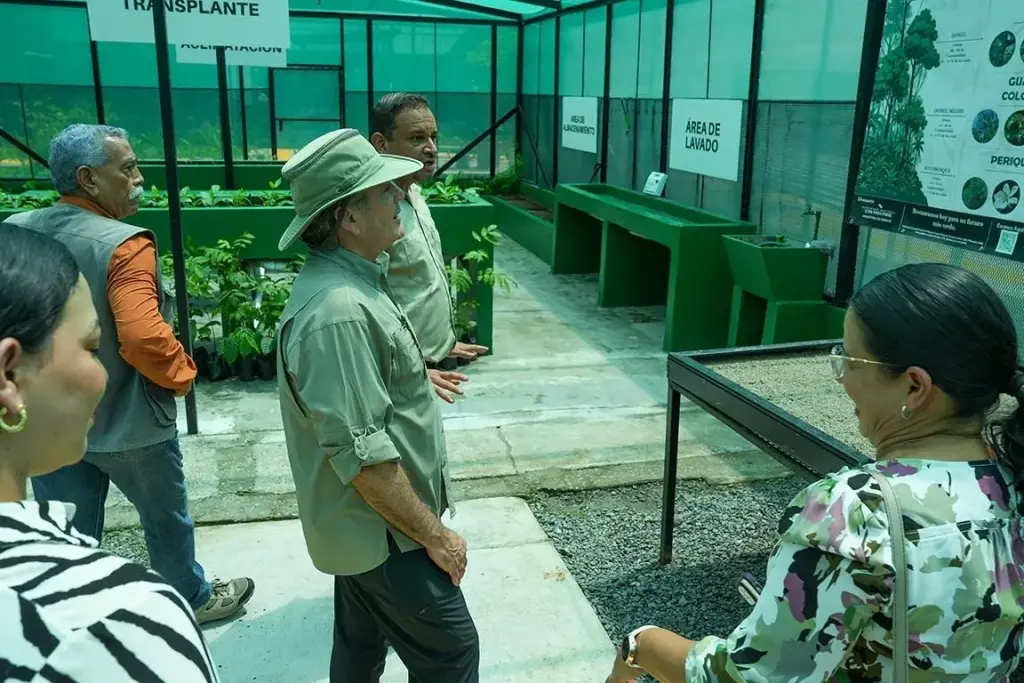
Environment Minister Juan Carlos Navarro expressed optimism at the initial gathering, pointing to Panama’s long history of forest plantations and the expertise already present in the country. He noted that private plantations developed through significant investment and effort give the initiative a strong starting point rather than a blank slate.
“We have the fundamental elements, we are not starting from scratch: we have forest plantations from decades ago; we have very important private plantations, achieved with much investment and much effort; we have the raw material, which are the forestry engineers.” [Translated from Spanish]
Navarro also acknowledged CAF’s role as a key partner, saying the development bank has become a tremendous support for Panama’s environmental agenda. He described a unique alignment of public sector will and private sector commitment that he believes positions the planning process for success.
Long Term Policy Goals for Forest Management Panama
The final document should establish a durable forest management Panama policy framework that links conservation of existing forests with sustainable development objectives. Officials hope the plan will articulate clear mechanisms for improved coordination between public institutions and expanded participation from actors involved in both natural forest management and plantation forestry.
A well-executed master plan could position Panama as a regional leader in sustainable forest management, demonstrating how tropical nations can balance ecological stewardship with economic growth. The emphasis on native species restoration also addresses biodiversity concerns that have grown increasingly urgent across Central America.
In summary, the next 15 months will test Panama’s ability to translate ambitious environmental goals into practical policy. With private capital, technical expertise, and institutional coordination aligned, the country now has a genuine opportunity to build a forestry sector that serves both the economy and the ecosystems it depends on for the long term.