



Panama’s Attorney General Luis Gómez reported Tuesday that sexual offense complaints rose 13 percent during the first eight months of 2026, underscoring an urgent need to expand victim support Panama services and institutional prevention mechanisms. The data emerged during a presentation assessing the Archdiocese of Panama‘s response to abuse allegations involving minors and vulnerable persons.
Between January and August 2026, authorities registered 4,599 complaints for crimes against sexual freedom and integrity, compared to 4,072 during the same period in 2025. Gómez cautioned against reading the increase as a straightforward spike in criminal activity, suggesting it may reflect growing public trust in reporting channels, while emphasizing that specialized multidisciplinary teams must remain fully accessible across all provinces to guarantee immediate assistance, protect vulnerable demographics, and ensure thorough judicial follow-up in every reported case.

Minors Bear the Heaviest Burden in Sexual Crime Data
The statistics paint a stark picture of child vulnerability. Minors account for 78 percent of all sexual crime victims reported this year. Within that group, adolescents aged 15 to 17 represent the largest share at 42 percent of victims.
Complaints specifically tied to corruption of minors reached 253 cases, a 23 percent jump from the prior year. Gómez emphasized that institutions across Panama must act responsibly when confronted with such figures, establishing proper prevention and detection mechanisms while ensuring timely intervention by authorities when crimes may have occurred, prioritizing specialized care networks and comprehensive psychological support services to protect young survivors, prevent secondary trauma, and strengthen community

Archdiocese Review Highlights Institutional Accountability
The Attorney General presented the figures while unveiling an institutional assessment of how the Archdiocese of Panama has handled abuse complaints against minors and vulnerable adults. He said such evaluations help examine actions taken, make institutional responses visible, and identify areas requiring further progress to build a culture of prevention.
“Faced with situations of this nature, all entities are called to act with responsibility” [Translated from Spanish]
Gómez added that institutions must establish adequate prevention and detection mechanisms and, when facts may constitute crimes, facilitate timely intervention by competent authorities for investigation. The review comes as religious institutions across Latin America cooperating closely with independent judicial bodies to guarantee transparency and restore public trust in the justice system.
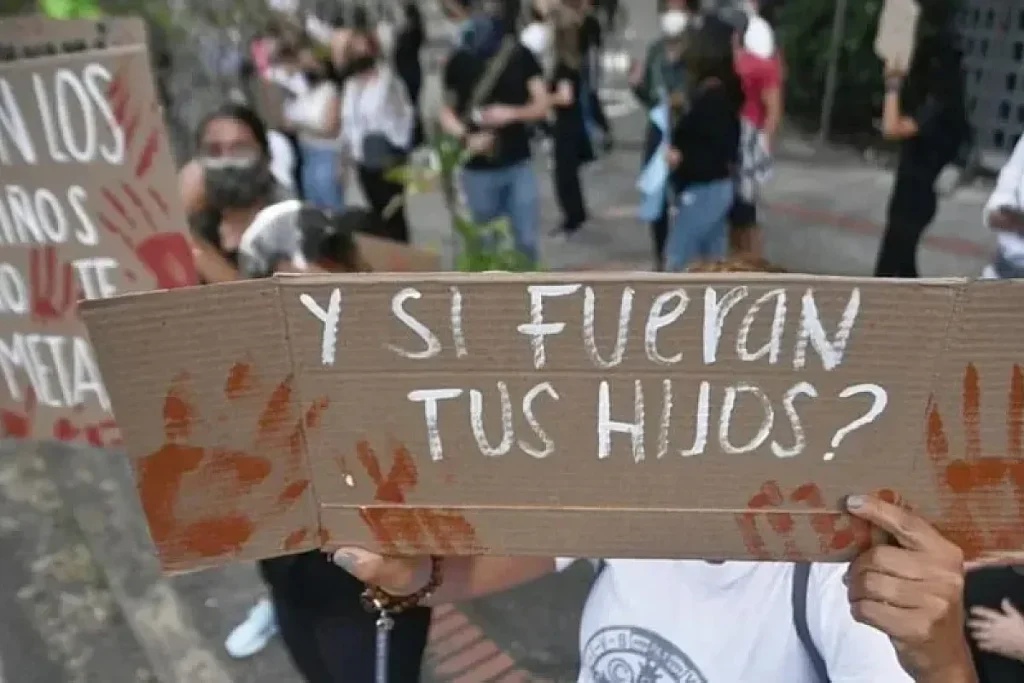
Rising Reports Signal Shifting Public Trust
Gómez urged cautious interpretation of the upward trend. An increase in complaints does not necessarily mean an equivalent rise in actual crimes, he explained. The numbers may reflect greater willingness among victims, family members, and community contacts to come forward, along with stronger confidence in institutions and reporting mechanisms.
The Attorney General stressed that institutional responses must guarantee respectful treatment of victims and contribute to identifying facts and potential perpetrators. Strengthening victim support Panama infrastructure remains central to sustaining that trust and encouraging continued reporting.
Authorities expect the full-year data to provide clearer insight into whether the increase represents a sustained shift in reporting behavior or reflects other fact, while reinforcing transparent communication channels between law enforcement agencies and local citizens throughout the entire national territory to evaluate long-term trends.