


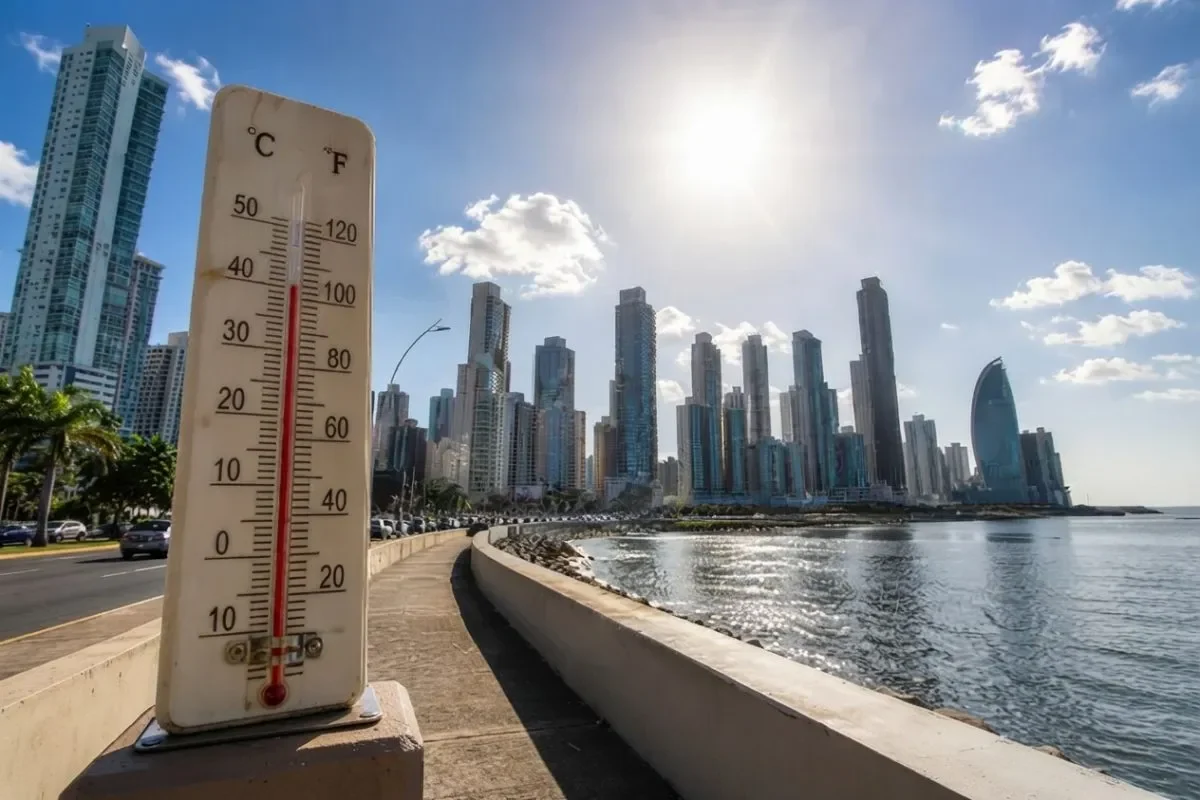
Panama City, Panama – Residents across Panama are bracing for intensified extreme heat Panama conditions as meteorologists warn that the El Niño phenomenon could raise air temperatures by 2 to 3 degrees Celsius in the coming months. Luz Graciela de Calzadilla, director of Panama’s Institute of Meteorology and Hydrology (Impha), confirmed Wednesday that current readings already show 32 degrees Celsius by late morning, with peak heat arriving near 3:00 p.m.
The combination of high temperatures, elevated humidity, and direct solar radiation is creating a thermal sensation between 40 and 42 degrees Celsius, according to official data. This pattern affects not just human health but also animals, plants, and multiple economic sectors dependent on stable weather conditions.

Why September Brings More Extreme Heat Panama Conditions
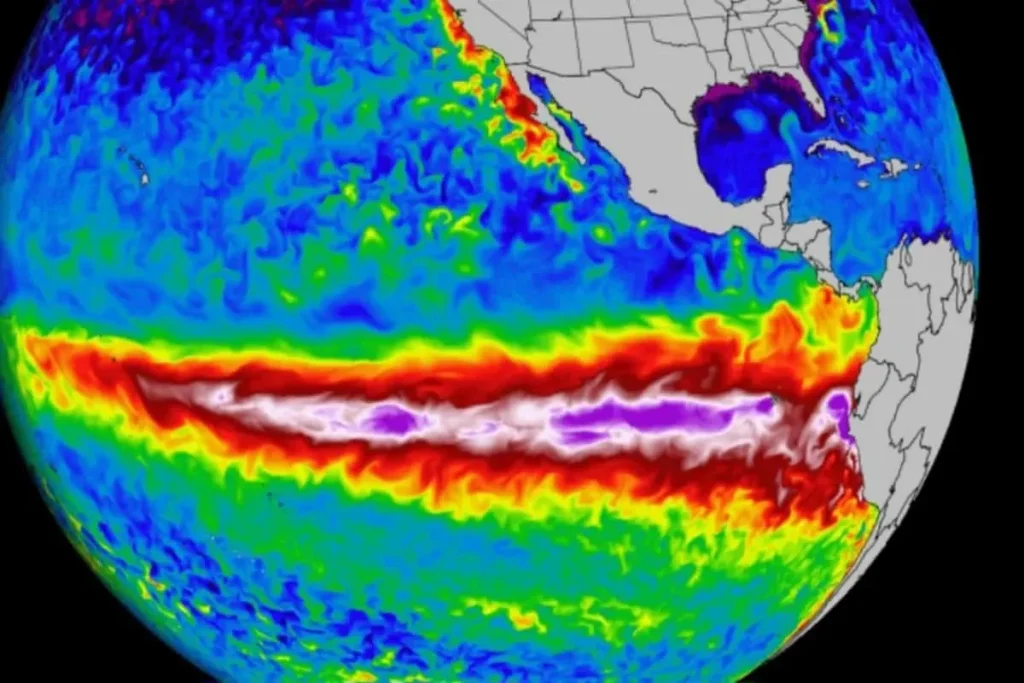
De Calzadilla explained that September and April traditionally register the country’s highest temperatures. September’s heat is directly tied to the equinox, when solar rays strike the equatorial zone at a more perpendicular angle. This year, the seasonal pattern is amplified by a very strong El Niño event.
The U.S. National Oceanic and Atmospheric Administration (NOAA) projects that current El Niño conditions will persist at least through December, with a possibility of extending into June 2027. For Panama, this means significantly reduced rainfall across the Pacific region alongside sustained higher temperatures. The dual impact threatens water reserves and agricultural cycles that depend on predictable wet seasons.

Health Risks and Skin Cancer Prevention During Heat Waves
Medical authorities emphasize that prolonged exposure to intense ultraviolet radiation during extreme heat Panama episodes increases long-term skin cancer risk. Dermatologists recommend applying broad-spectrum sunscreen with SPF 30 or higher every two hours when outdoors, even on cloudy days. Protective clothing, wide-brimmed hats, and UV-blocking sunglasses provide additional barriers against harmful rays.
Dehydration presents an immediate danger during high thermal sensation periods. The human body loses fluids rapidly through sweating when humidity prevents effective cooling. Health officials advise drinking water consistently throughout the day rather than waiting until thirst appears. Workers required to remain outdoors should consume electrolyte-rich beverages and take shaded breaks every hour.
Official Guidance and Long-Term Outlook
De Calzadilla urged residents to avoid unnecessary sun exposure between 9:00 a.m. and 4:00 p.m., the window of highest radiation intensity. For outdoor laborers, she recommended long-sleeved shirts, hats, and neck protection as essential gear.
“If there is no need to expose yourself to the sun, don’t do it between nine, ten in the morning until three or four in the afternoon” [Translated from Spanish]
Meteorological authorities continue monitoring El Niño’s evolution and its effects on national temperatures and precipitation patterns. The potential extension into mid-2027 suggests Panama may face prolonged heat stress, requiring sustained public health messaging and adaptive measures across vulnerable sectors.