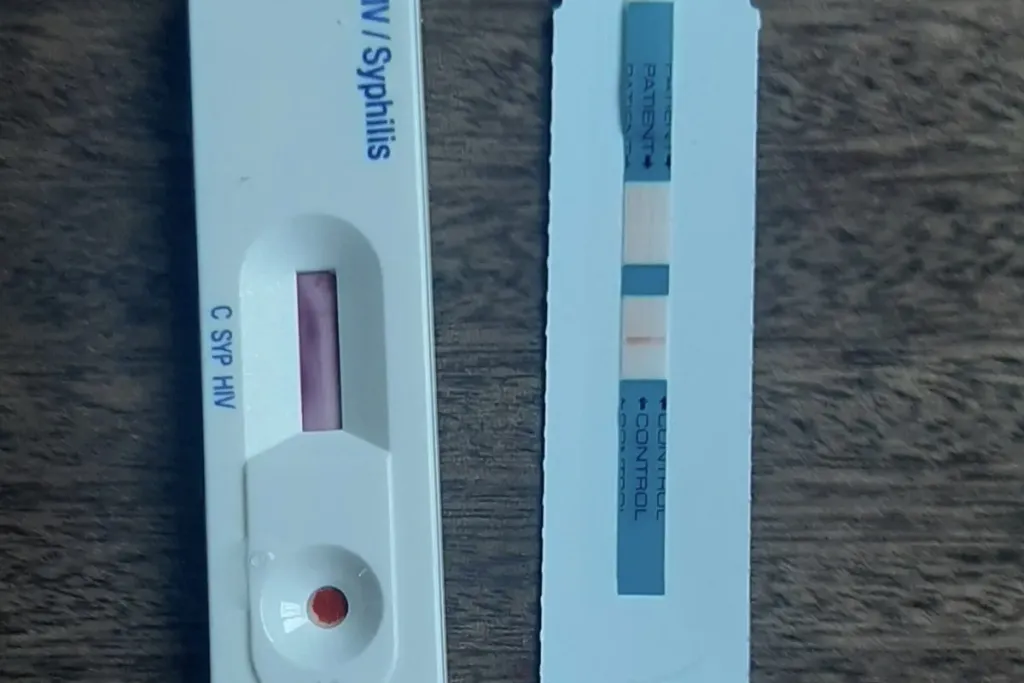
Health authorities in Panama’s Veraguas province have confirmed that nine pregnant women with HIV have been diagnosed so far this year, alongside cases of syphilis, prompting renewed calls for early testing and prevention across the region. The figures emerged during a Ministry of Health (Minsa) coordination meeting that brought together health officials from Veraguas and the Ngäbe-Buglé indigenous region.
The dual diagnosis of HIV and syphilis among expectant mothers has raised significant concern among public health officials, who emphasized that timely detection can prevent mother-to-child transmission during pregnancy and delivery. The statistics reflect a broader public health challenge in the province, where 50 new HIV cases have been recorded in 2025 alone.
Rising HIV Cases and Mortality in Veraguas
Beyond the nine pregnant women, the province has documented 50 new HIV infections since January. Eleven HIV-positive patients have died during the same period, according to data presented at the interregional health meeting. Officials did not specify the causes of death or whether the fatalities were directly attributable to AIDS-complications.
The simultaneous presence of syphilis among pregnant women compounds the risks. Congenital syphilis can cause stillbirth, neonatal death, and severe developmental complications in infants who survive. Health workers have been instructed to prioritize dual screening for both infections during prenatal visits.
Prevention Strategy and Healthcare Access
Ministry officials used the meeting to reinforce prevention messaging, urging residents to undergo testing for HIV and other sexually transmitted infections. They also stressed the importance of responsible sexual practices and consistent condom use. The health regions of Veraguas and Ngäbe-Buglé face distinct challenges, including geographic isolation and limited access to specialized medical services in rural and indigenous communities.
Discussions also addressed infrastructure needs and improvements to medical facilities serving both regions. Representatives examined current gaps in service delivery and explored alternatives to strengthen clinical care, particularly for patients requiring ongoing antiretroviral treatment and maternal health monitoring.

Maternal Health and Treatment Protocols
For pregnant women with HIV, antiretroviral therapy significantly reduces the risk of transmitting the virus to their babies. Panama’s public health system provides treatment through Minsa facilities, but early diagnosis remains critical. Women who receive no prenatal care or who test positive late in pregnancy face higher transmission risks.
Health authorities continue to emphasize that HIV testing should be a routine component of prenatal care. The Veraguas data underscores persistent gaps in early detection, especially in areas where stigma and limited health literacy deter women from seeking testing. Officials maintain that expanding community-based testing and education campaigns remains a priority for the remainder of the year.