


Panama’s Ministry of Health (Minsa) and the Social Security Fund (CSS) are consolidating a national plan to standardize HIV patient care, eliminating gaps between insured and uninsured populations. The agreement, reached during a follow-up meeting in Panama City, unifies antiretroviral treatment protocols, medication lists, and care standards across all public health facilities.
Officials from both institutions evaluated progress on prevention, diagnosis, treatment, and follow-up care. The core decision involves homologating medications and clinical norms so patients receive identical treatment regardless of which facility they visit. This marks a significant shift toward integrated public health delivery for the more than 22,000 people living with HIV in Panama.

Standardized Treatment and Medication Access
A key component of the integrated plan involves multi-month dispensing of antiretroviral medications. Patients will now receive supplies covering two or more months, reducing the frequency of pharmacy visits and improving adherence. The strategy also strengthens procurement and logistics processes to prevent stockouts and ensure consistent availability across the network.
Dr. Alex González, advisor to Minsa’s senior office, said coordination between the two institutions strengthens the public health system’s overall response. Dr. Hiram Martín, national deputy director of Primary Health Care at CSS, emphasized the need to align care and logistical processes to improve continuity of treatment.
Prevention, Research, and Stigma Reduction
The national plan extends beyond clinical treatment. It incorporates health promotion, prevention campaigns, and research initiatives. A central focus involves reducing stigma and discrimination associated with HIV, creating safe and respectful care environments. These measures aim to encourage more people to seek testing and treatment without fear of judgment.
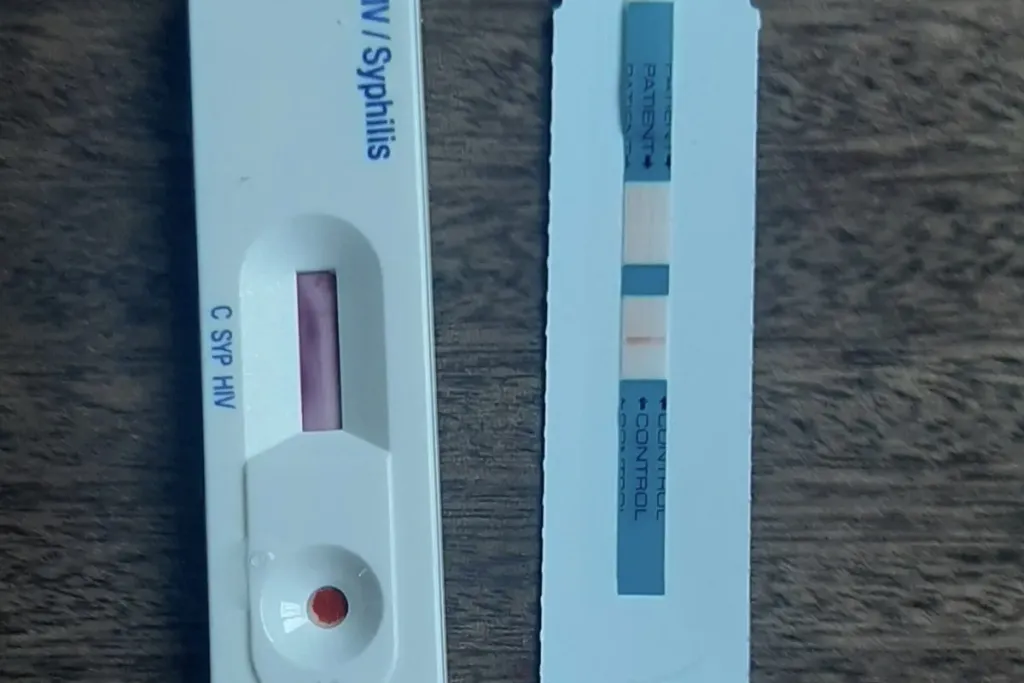
Eliminating mother-to-child transmission of HIV remains a national priority. Dr. Carlos Chávez, head of Minsa’s HIV/AIDS Section, stressed that achieving this goal requires free access to care, timely diagnosis for pregnant women, and consistent follow-up. He urged the population to get tested promptly, noting that early diagnosis allows treatment to reach an undetectable viral load, which prevents sexual transmission of the virus.

HIV Patient Care Continuity Across Facilities
The unification plan addresses a longstanding challenge in Panama’s fragmented health system. Previously, treatment protocols and medication availability varied between Minsa facilities serving uninsured patients and CSS hospitals serving insured workers. The new framework ensures a patient transferring between facilities or changing insurance status maintains uninterrupted treatment.
Both institutions committed to ongoing monitoring of implementation progress. The integrated approach consolidates purchasing power, potentially reducing costs while improving supply chain reliability. Health authorities view this coordination as a model for managing other chronic conditions requiring long-term medication adherence and multidisciplinary care.
Panama’s effort reflects broader regional trends toward integrated health systems capable of delivering consistent care across institutional boundaries. The plan’s success could inform similar initiatives for tuberculosis, hepatitis, and other infectious diseases requiring sustained treatment regimens.