



Global jet fuel prices reached $194.90 per barrel on September 18, 2026, marking a 116.5 percent increase compared to the same period last year, according to data from the International Air Transport Association (IATA). The spike, driven largely by escalating tensions in the Middle East, is fueling concerns about the airfare price impact for travelers booking flights from Panama and across the Americas.
The sharp rise represents a 7.4 percent jump in just one week and a 24.2 percent increase over the previous month’s average. Industry analysts warn that airlines, which typically spend between 30 and 50 percent of their operating budgets on fuel, will face difficult decisions about whether to absorb costs or pass them to consumers.
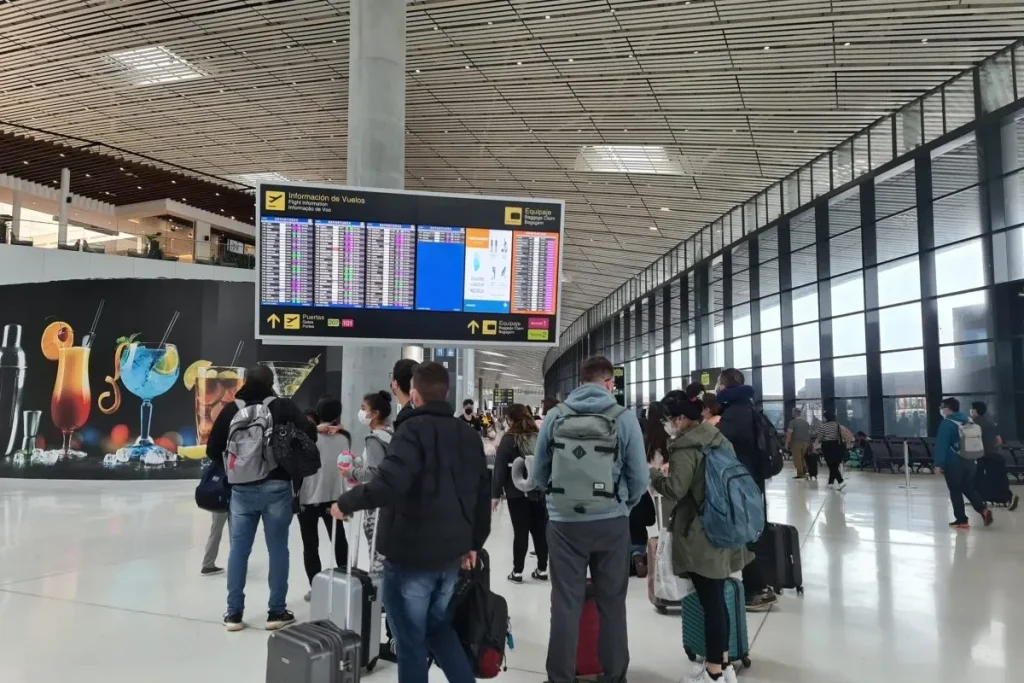
Airfare Price Impact on Holiday Travelers
Panama City travelers are already seeing elevated fares for peak holiday periods. A round-trip ticket from Panama to New York for early December now ranges from $740 with lengthy layovers in Bogotá to over $1,000 for direct flights on U.S. carriers. Prices for November travel, during Panama’s national holidays, start at $654 but climb quickly depending on departure dates and seat selection.
Flights to Madrid for December 2026 show a similar pattern. The cheapest option, a direct flight lasting approximately 9 hours and 35 minutes, costs $1,132 including mandatory taxes and fees. Alternatives with connections range from $1,323 to $1,421, with travel times exceeding 13 hours.
Tour operators recommend booking three to five months in advance to secure better rates, or using installment payment plans to lock in tour packages before prices climb further.
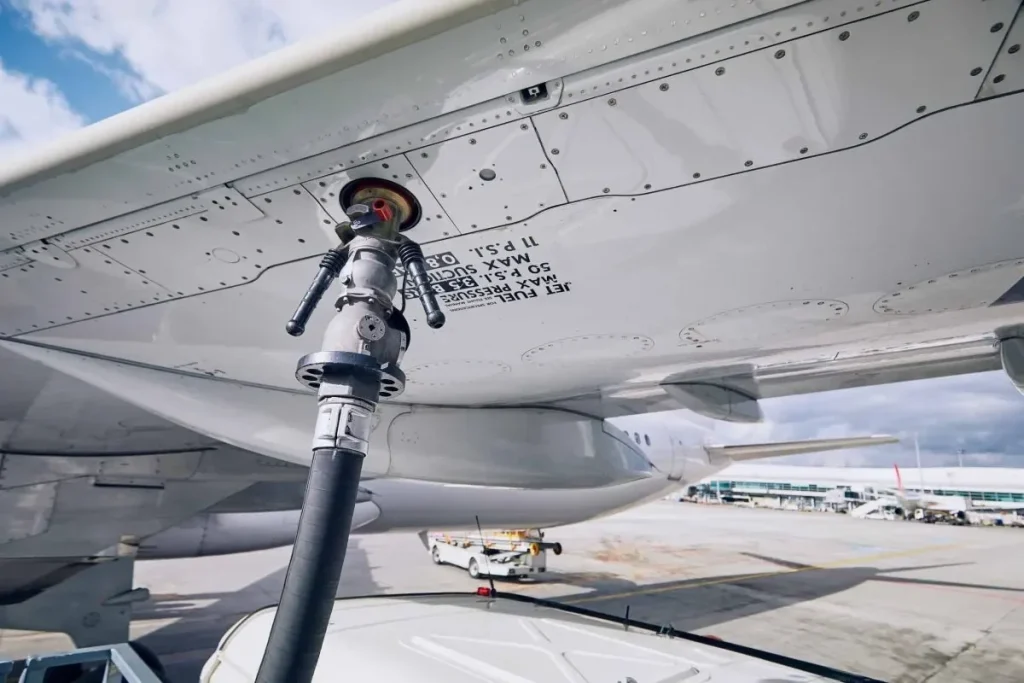
Jet Fuel Volatility and Airline Hedging Strategies
The current price surge has been particularly dramatic. Jet fuel climbed from $163.87 per barrel on August 21 to $194.90 by September 18, a jump of $31.03 in just five weeks. This rapid escalation has outpaced what many airlines anticipated in their fuel hedging contracts.
Airlines typically negotiate fuel coverage three to six months in advance to secure supply and stabilize inventory costs. This practice can temporarily shield passengers from immediate price hikes, but the real impact eventually reaches ticket prices. Some carriers respond by cutting less profitable routes, while others inevitably transfer fuel costs to fares.

Jet Fuel Price Surge: +19% in Five Weeks
Key Takeaways
- +19% total increase over five weeks
- +7.4% jump in the last week alone
- Price rose from $163.87 to $194.90 per barrel
Source: Jet fuel price data, August–September 2026
Regional Aviation Leaders Call for Regulatory Restraint
Peter Cerdá, IATA’s vice president for the Americas and CEO of the Latin American and Caribbean Air Transport Association (ALTA), emphasized the severity of the situation.
“The price of fuel is at 90% above the 2025 average, exerting significant pressure on airline costs” [Translated from Spanish]
Cerdá urged governments across the region to avoid regulatory decisions that could further increase costs for airlines and passengers. IATA has consistently pointed out that a substantial portion of ticket prices goes to airport fees and government taxes, which compound the burden on travelers already facing higher fuel-driven fares.
Tocumen International Airport, Panama’s primary hub, processed 15.85 million passengers in the first eight months of 2026, underscoring the scale of potential disruption if travel demand softens due to rising prices.