


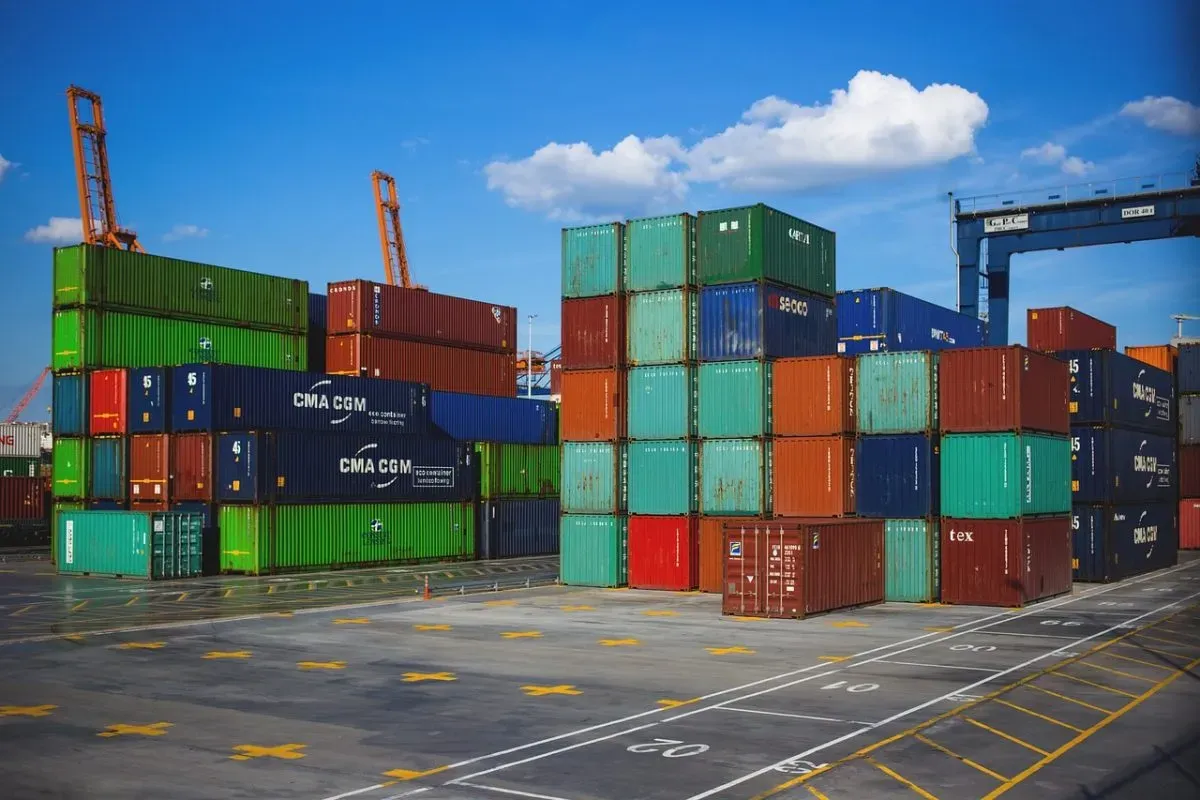
Panama’s maritime sector faces mounting pressure from port saturation and digital infrastructure gaps, with industry leaders warning that Panama port congestion could erode the country’s competitive edge against regional rivals Mexico and Colombia. Executives from the country’s top maritime associations called this week for accelerated investment and coordinated execution of pending strategies to protect Panama’s position in global trade.
René Gómez, president of the Panama Maritime Chamber (CMP), Ricardo Lince Boyd, president of the National Maritime Association of Panama (MAPA), and port expert Rommel Troesch delivered a unified message during recent industry discussions. The core challenge, they said, is not a lack of strategy but a failure to implement it quickly enough.
Competitive Pressures and Panama Port Congestion
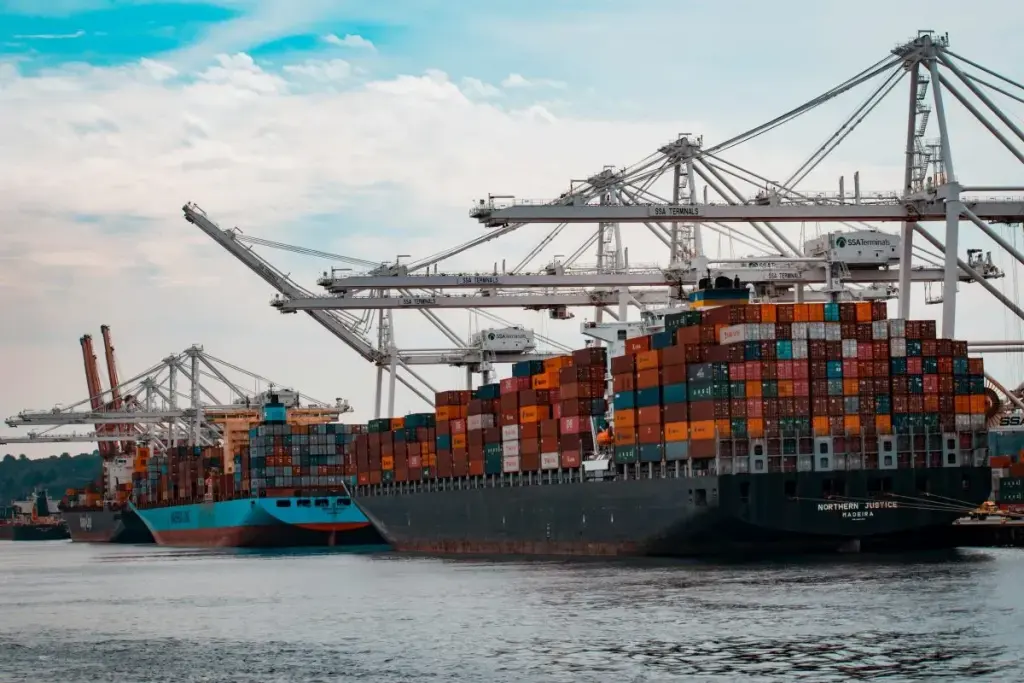
Gómez highlighted stark growth disparities among regional competitors. Mexico’s Lázaro Cárdenas port has expanded cargo movement by 127 percent, while Cartagena in Colombia has grown 70 percent. Panama trails below 60 percent, a figure Gómez said should alarm policymakers. The country cannot rely on geographic advantage alone when efficiency gaps persist.
Land cargo movement in Panama currently takes more than two hours to complete, compared to under 40 minutes in Cartagena. Gómez attributed this to deteriorating road conditions and poor coordination between authorities. He also pointed to potential disruptions from the Strait of Hormuz and El Niño weather patterns, which could impose draft restrictions on the Panama Canal and worsen existing bottlenecks.
“If we want to move more cargo and decongest the roads, we have to invest seriously in digital infrastructure” [Translated from Spanish]
Digital Infrastructure Gap and Port Community System
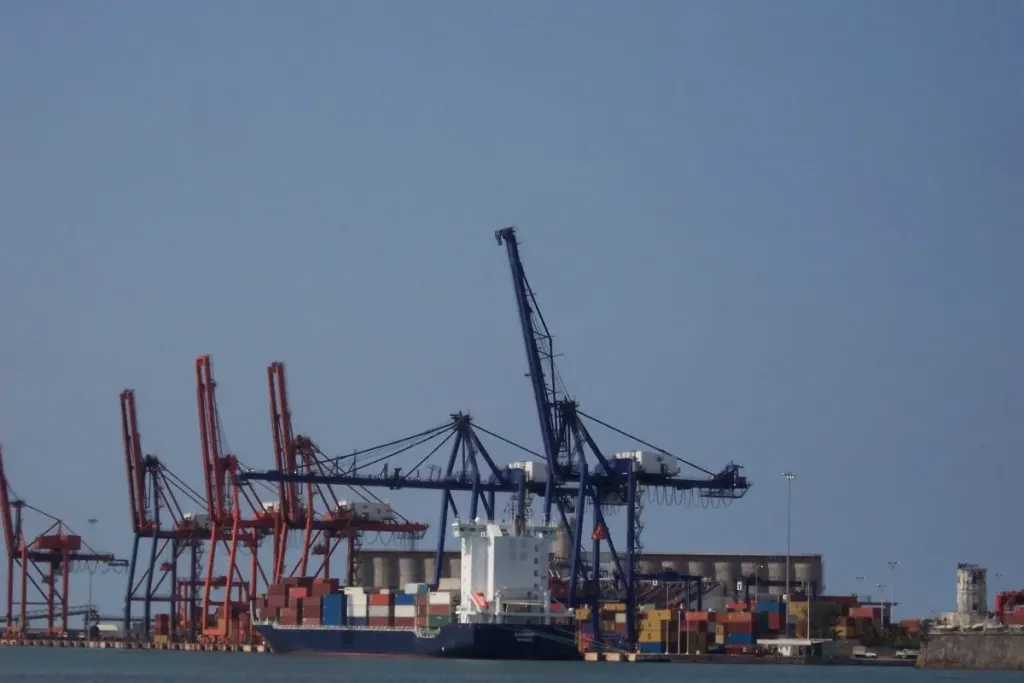
For 15 years, the private sector has proposed implementing a Port Community System, a digital platform allowing shipping companies, importers, and exporters to register data once and share it across all public and private entities. Gómez said the absence of such a system remains a primary obstacle to efficiency. More physical terminals will not solve the problem without agile digital processes.
Panama port congestion stems partly from terminals operating near 80 percent capacity. Lince Boyd noted that approximately 10 million TEU are moving through the system, close to total terminal capacity. While high demand signals market confidence, it also exposes the urgent need for expansion under a coherent national framework rather than piecemeal development.
“We should not have terminals competing among themselves with unequal advantages. The Balboa and Cristóbal tenders must be part of a country strategy” [Translated from Spanish]

Infrastructure Expansion and Dry Canal Development
Lince Boyd stressed that Panama relies on a single highway connecting its ports, creating significant operational risk. He called for two or three additional routes to guarantee efficiency and reduce vulnerability. Regional competitors are advancing dry canal projects in Mexico and Colombia, increasing pressure on Panama to modernize its connectivity.
Troesch reinforced the urgency, stating that shipping lines have clearly signaled the need for expanded port development. The message from international carriers, he said, is unambiguous. Panama must respond with concrete action rather than continued deliberation.
The path forward, according to industry leaders, requires tight coordination between the state, the Panama Canal Authority, and private enterprise. Panama’s existing infrastructure and inter-port connectivity remain valuable assets, but they need reinforcement through digital systems, road expansion, and streamlined tenders for key terminals. Delays in execution will likely push shipping clients toward faster alternatives elsewhere in the region.