



Panama’s Foreign Ministry submitted legislation Wednesday to join the Latin American and Caribbean Space Agency, a step that would grant the country formal satellite technology access and strengthen its disaster response infrastructure. Foreign Minister Carlos A. Hoyos presented four bills to the National Assembly on September 30, with the ALCE convention as the centerpiece.
The constitutional agreement, originally signed in Mexico City on September 18, 2021, now enters Panama’s legislative process. Approval would make Panama a full member state of the regional body, unlocking coordinated space activities across Latin America and the Caribbean.
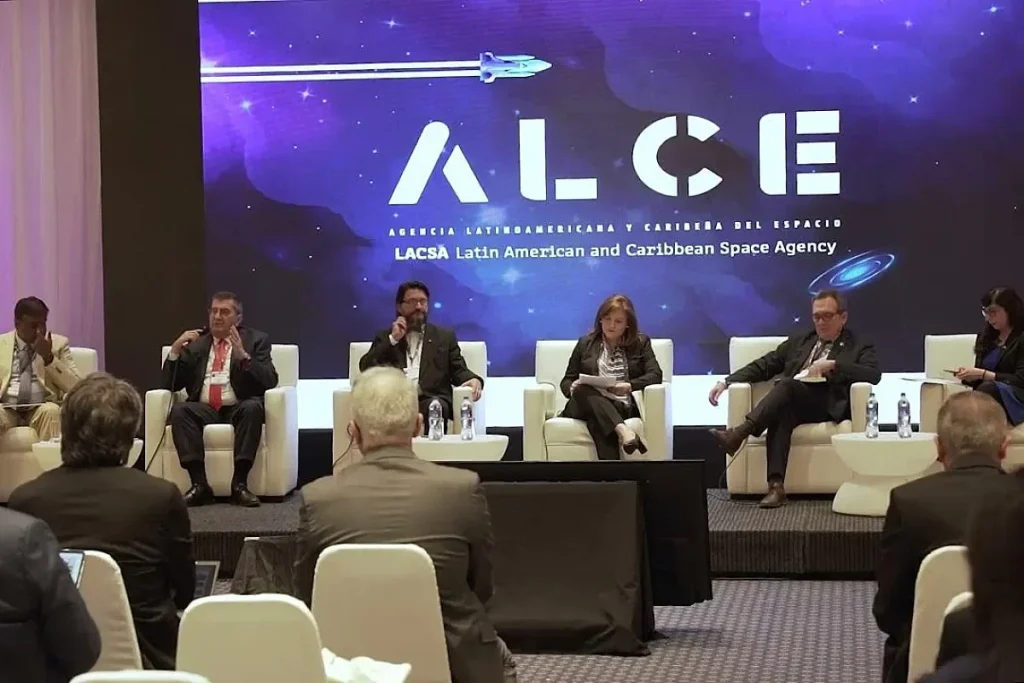
What the Latin American and Caribbean Space Agency Offers
ALCE functions as a multilateral framework that pools resources for satellite infrastructure, technology development, and orbital data sharing among member nations. The agency’s mandate extends beyond space exploration into practical applications like agricultural monitoring, environmental protection, and natural disaster observation.
For Panama, membership means direct access to satellite communication systems that can track climate threats in real time. The convention aligns with Sustainable Development Goals and includes specific provisions for disaster prevention and mitigation across the region. National Assembly officials confirmed the agreement covers early warning capabilities for extreme weather events, which have increasingly affected Central American coastlines.
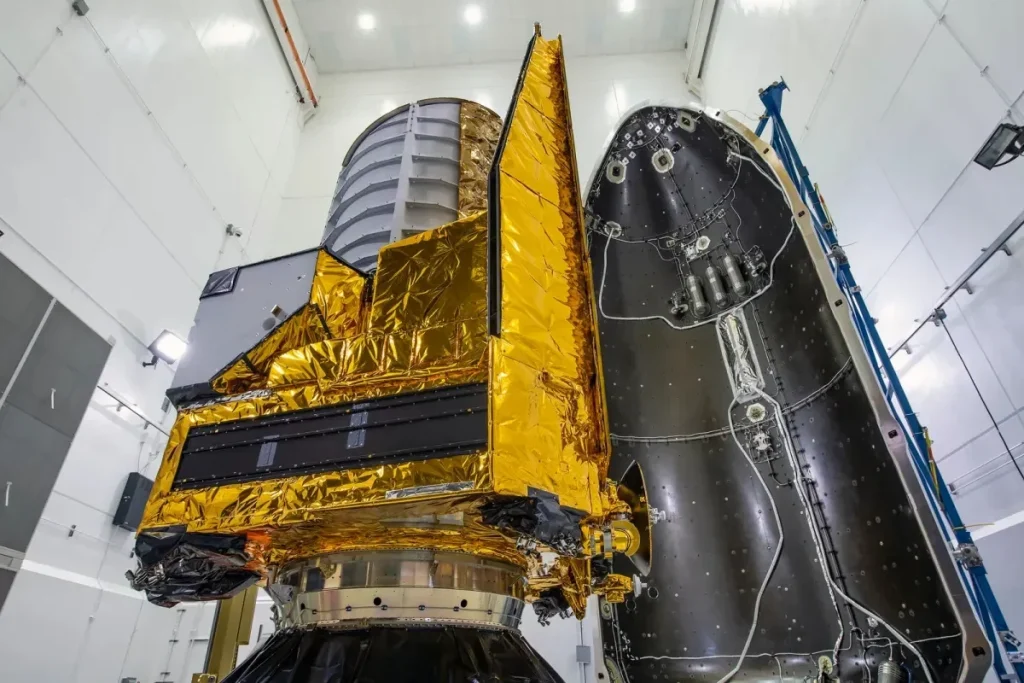
Satellite Technology Access and Regional Benefits
Joining ALCE would position Panama within a growing network of Caribbean and Latin American states coordinating orbital assets. The agency facilitates shared access to satellite data that individual countries might find cost-prohibitive to develop independently. This collaborative model reduces duplication while expanding coverage for member states.
The framework also supports capacity building in space science and engineering. Panamanian institutions could participate in joint research initiatives, technical training programs, and regional satellite projects. Officials emphasized that the agreement strengthens both technological sovereignty and regional cooperation, particularly for environmental monitoring along Panama’s extensive coastlines.

Legislative Path Forward in Panama
The bill must advance through committee review and plenary debate before Panama completes its accession. No timeline has been announced for the legislative process, but the Foreign Ministry’s formal submission marks the first concrete step toward membership since the 2021 signing.
Cancillería de Panamá presenta proyecto para ingresar a la Agencia Latinoamericana del Espaciohttps://t.co/iWiQFBeItj
— Telemetro (@Telemetro) October 1, 2026
Once ratified, Panama would join other regional partners in coordinating space policy and satellite applications. The move reflects growing recognition among Latin American governments that space-based technology offers practical solutions for climate adaptation, agricultural planning, and emergency response coordination.