


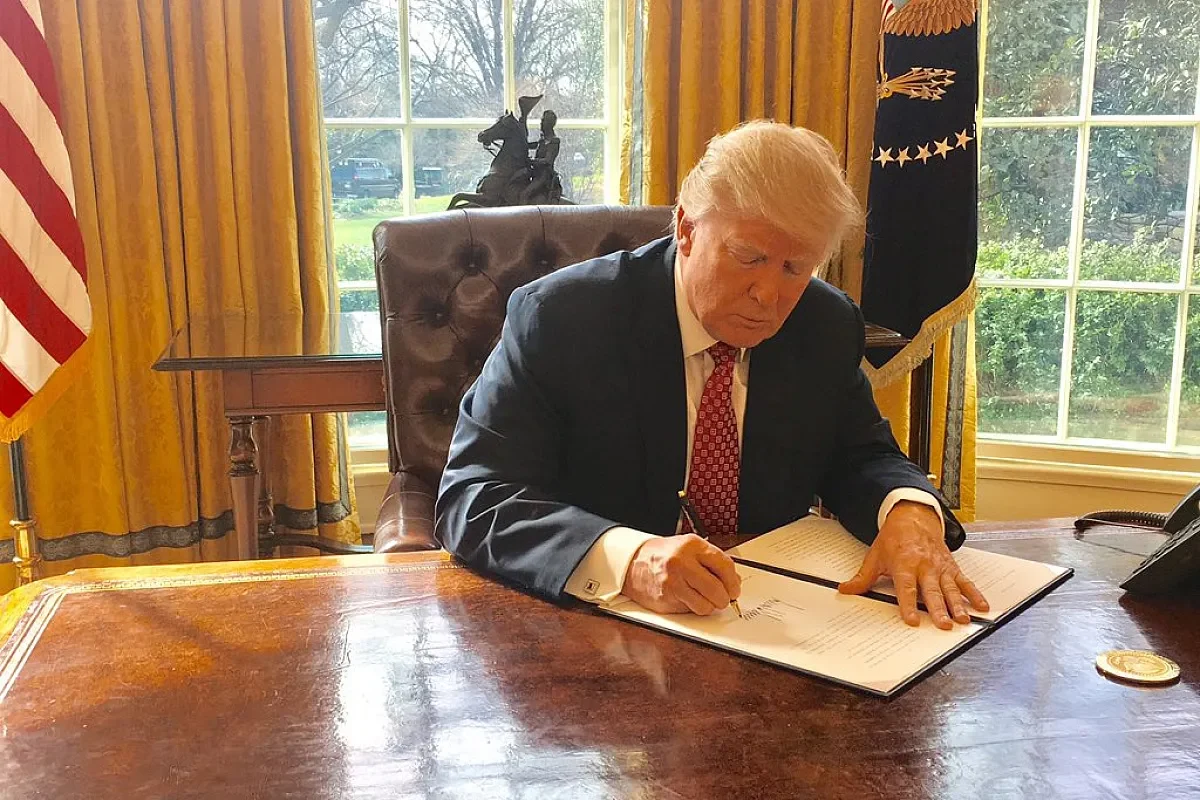
The Trump administration has reassigned a $52 million military aid package to Panama, Peru, Ecuador, and Colombia, pulling funds originally approved for Europe and the Middle East. The Department of State confirmed the move Thursday, framing it as a strategic pivot to protect the Panama Canal and counter narcoterrorism across the Western Hemisphere.
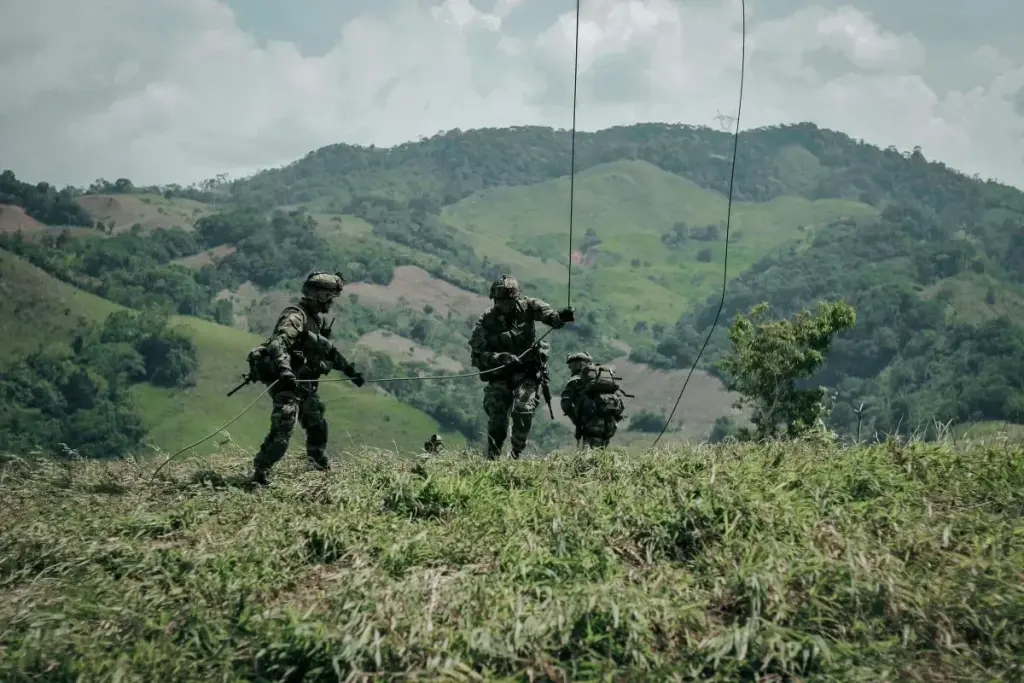
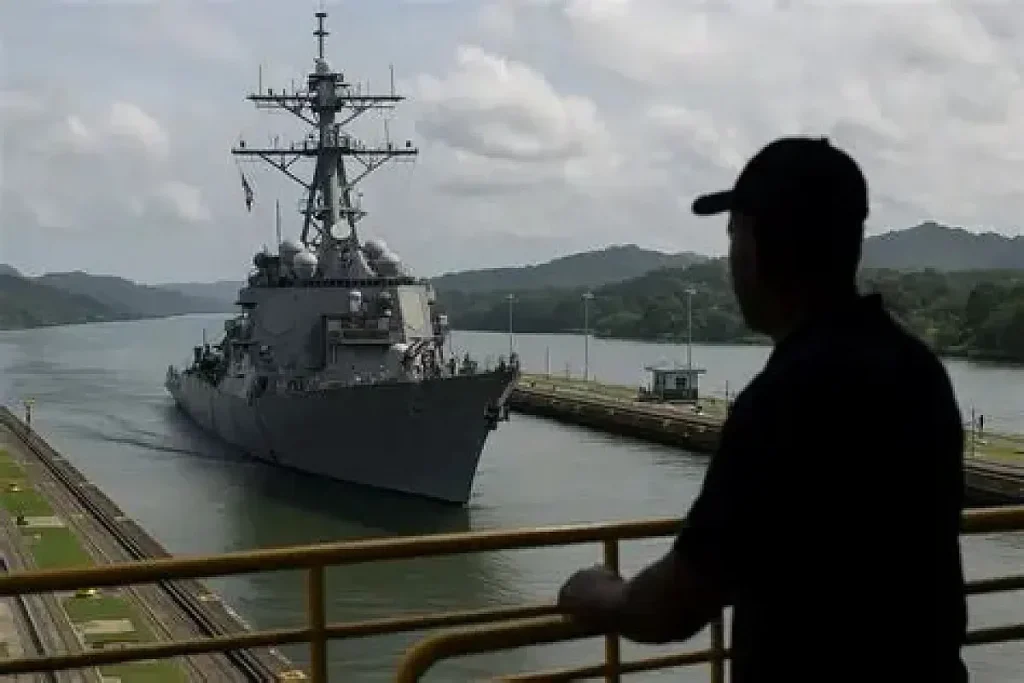
The notification sent to Congress by Secretary of State Marco Rubio outlines a clear objective for the Panama military funding. American diplomats emphasized that a central goal is to “help continue securing the Panama Canal” against potential threats to global commerce and navigation while simultaneously boosting regional intelligence sharing, upgrading border security infrastructure, and strengthening joint operational capabilities to combat expanding transnational criminal cartels.
Panama Military Funding Shift Sparks Congressional Clash
To finance the reallocation, the White House withdrew money previously designated for Slovakia, North Macedonia, Tunisia, and Iraq. Those funds had been approved by lawmakers in 2022 as part of a broader effort to support nations affected by Russia’s invasion of Ukraine and to replenish weapons sent to Kyiv.
Democratic Senators Jeanne Shaheen and Gregory Meeks immediately challenged the decision. They argued the executive branch lacks authority to alter budget allocations fixed by Congress. Despite placing a legal hold on the transfer, the administration notified lawmakers it would proceed with delivering the resources anyway.
The confrontation underscores a deeper tension over presidential power in foreign policy. While the executive branch often enjoys latitude in military assistance, redirecting congressionally mandated funds typically requires formal reprogramming requests. The administration’s decision to move forward despite objections signals an aggressive interpretation of that authority.
Strategic Focus on Canal Defense and Regional Security
Beyond securing the interoceanic waterway, the redirected assistance targets several security priorities. Combating narcoterrorism, strengthening defense alliances, and neutralizing military influence from adversarial powers in Latin America rank among the stated goals for Panama and its regional partners.
The Canal’s strategic importance has grown amid shifting global trade patterns and increasing competition between major powers. American officials have repeatedly voiced concerns about external actors gaining footholds near critical maritime infrastructure. This funding shift reflects that anxiety made operational.
For Panama, the assistance arrives as the country navigates complex relationships with both Washington and Beijing. The Central American nation has historically maintained close security ties with the United States while expanding economic links with China. This latest aid package reinforces the military dimension of that partnership.
Implications for Hemispheric Defense Alliances
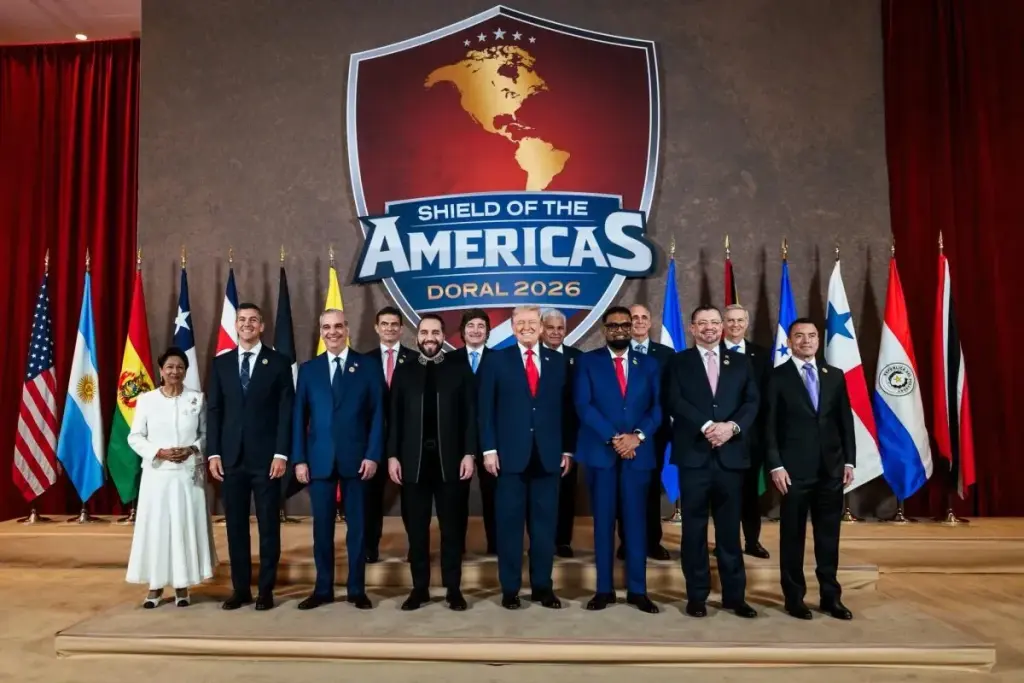
The reallocation also signals a broader recalibration of American security priorities. By moving resources from Eastern Europe and the Middle East to Latin America, the administration is betting that instability closer to home poses a more immediate threat to national interests.
Colombia and Peru, both major cocaine producers, have long received U.S. counter-narcotics support. Ecuador has emerged as a new front in the drug war, with cartels exploiting its ports for cocaine shipments. Adding Panama to this framework creates a more integrated regional security architecture.
Critics worry the shift could weaken support for European allies still facing Russian aggression. Supporters counter that the Western Hemisphere has been neglected for too long. The coming months will reveal whether this $52 million investment produces measurable security gains or simply reshuffles existing priorities.