


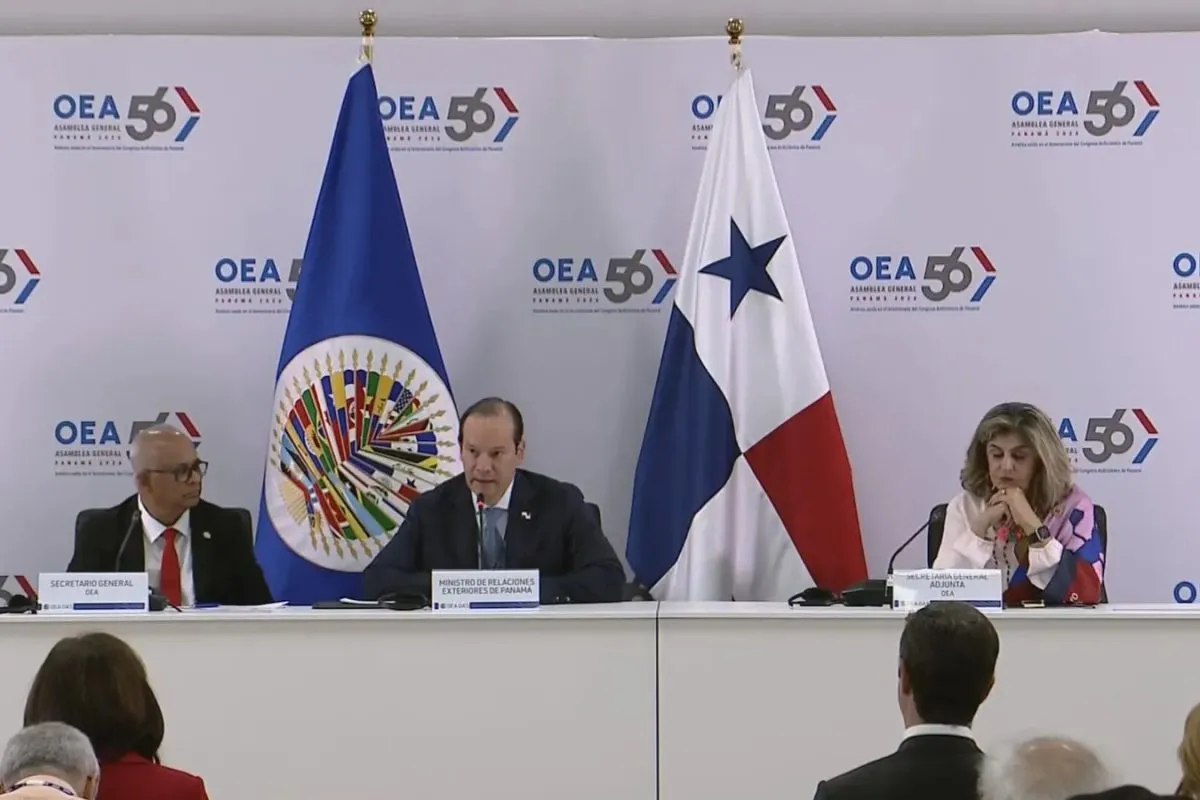
Panama formally rejected any possibility of military intervention in Nicaragua during an extraordinary session of the Organization of American States (OEA) on Friday, positioning itself firmly within the diplomatic wing of the Nicaragua intervention debate. The statement came as OEA foreign ministers approved a unanimous resolution demanding free elections and the unconditional release of political prisoners in the Central American nation.
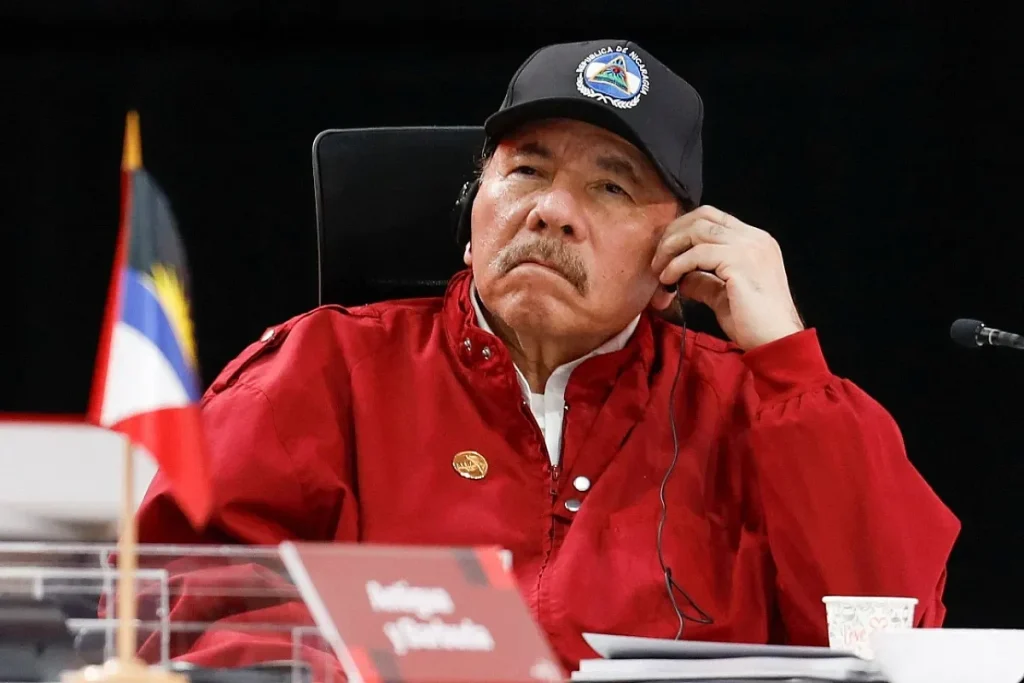
Ana Irene Delgado, Panama’s representative to the OEA, delivered the position from the organization’s headquarters in Washington, D.C. She stressed that defending democratic rights for Nicaraguans does not require armed force. The declaration follows President Daniel Ortega‘s announcement that no further elections will be held in Nicaragua, a nation gripped by sociopolitical crisis since 2018.
Panama’s Diplomatic Stance in the Nicaragua Intervention Debate
Delgado outlined a clear distinction between military action and diplomatic pressure. “Panama does not propose a military intervention, does not propose imposing a government, and does not propose an opposition. It proposes deciding who should govern in Nicaragua. Panama fully respects the sovereignty of that country,” she said [Translated from Spanish].
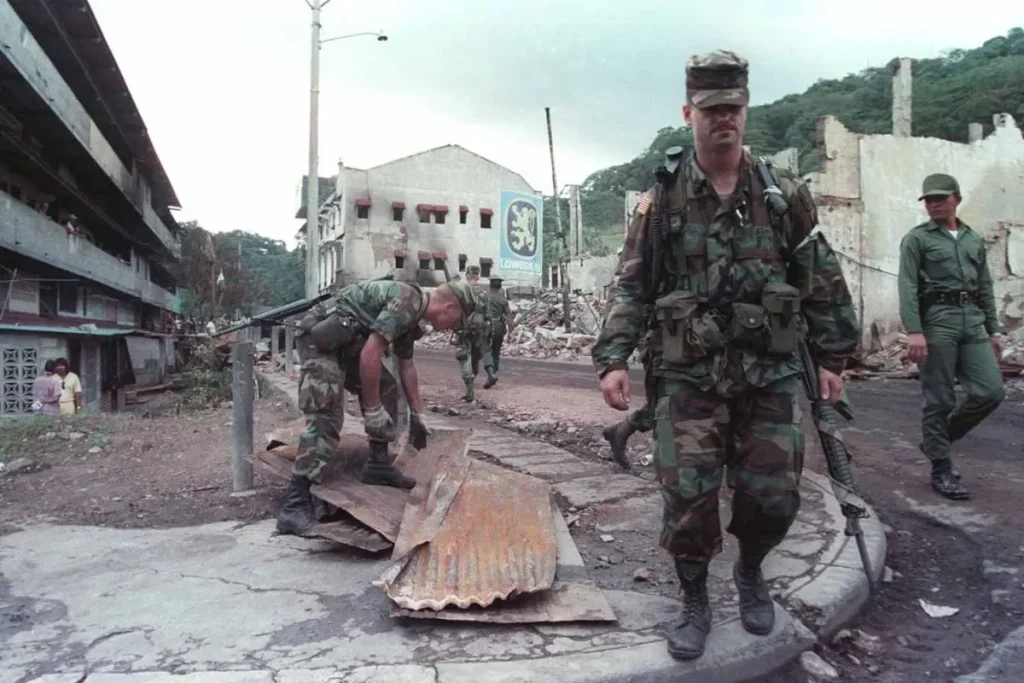
The Panamanian diplomat invoked her country’s own history with foreign military operations. The last U.S. military invasion in Central America occurred in Panama in December 1989 to capture General Manuel Antonio Noriega, leaving roughly 500 dead according to official counts, though unofficial figures cite up to 4,000 civilian fatalities. That memory shapes Panama’s current approach to regional crises.
“Panama knows the history of interventions in Latin America too well to take this question lightly. Our history has taught us the value of sovereignty and self-determination, but it has also taught us the price that peoples can pay when others decide to intervene on their behalf,” Delgado stated [Translated from Spanish].
OEA Resolution Demands Electoral Reform and Prisoner Release
The OEA resolution, approved unanimously by foreign ministers, calls on Nicaragua to restore separation of powers, disclose the whereabouts of disappeared persons, and return nationality to citizens who were stripped of it. The measure stops short of imposing concrete sanctions against the Ortega government.
The Inter-American Commission on Human Rights and the United Nations Group of Human Rights Experts on Nicaragua reinforced the urgency, stating that current conditions in Nicaragua do not meet international standards. Both bodies documented what they describe as systematic patterns of serious human rights violations since the crisis began.
The Nicaraguan parliament recently approved in first reading a constitutional reform that would exclude opposition figures labeled as “traitors” from public office and extend the presidential term to seven years. The reform requires a second legislative approval to take effect.
Regional Context and Panama’s Deteriorating Relations with Managua
Panama’s government withdrew its ambassador from Managua in July, and President José Raúl Mulino has publicly denounced the democratic decline in Nicaragua. The diplomatic rift reflects broader regional concern over the consolidation of power by Ortega and his wife, co-president Rosario Murillo.
Delgado emphasized that rejecting military intervention does not mean accepting silence. “Between silence and rifles exists an immense territory of diplomatic action,” she said [Translated from Spanish]. The statement frames Panama’s position as one of active engagement through multilateral channels rather than passive observation or armed response.
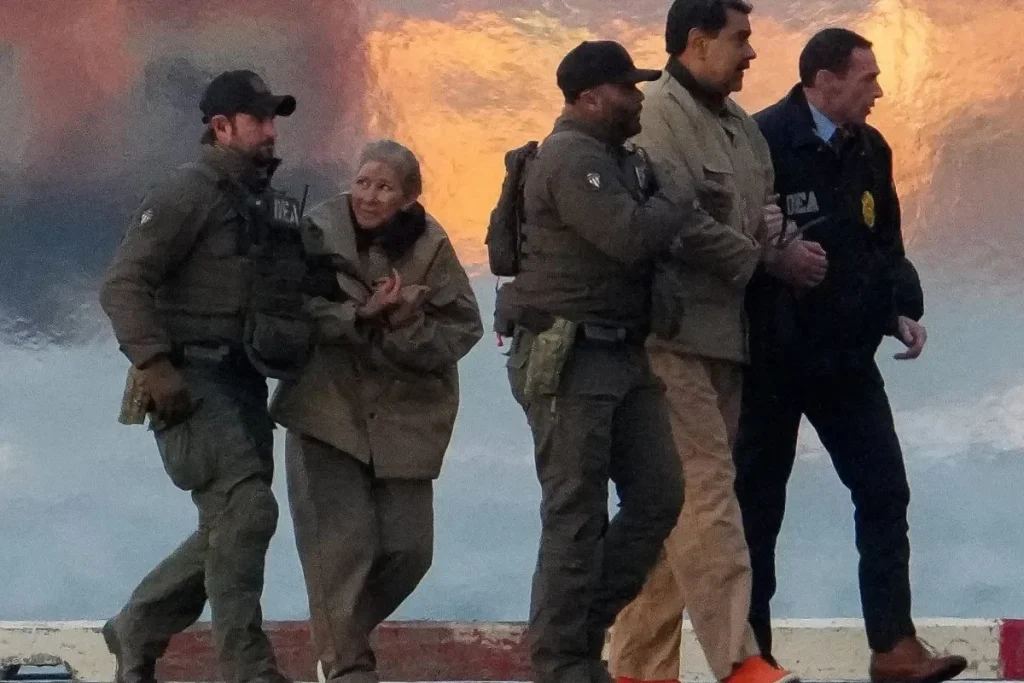
The January capture of former Venezuelan President Nicolás Maduro and his wife in Caracas by U.S. military personnel added another layer to regional debates about foreign intervention. Panama’s rejection of similar action in Nicaragua signals a preference for legal and diplomatic instruments over coercive measures.
The OEA session marks a critical juncture for hemispheric policy toward Nicaragua. While the resolution establishes clear expectations for democratic restoration, the absence of enforcement mechanisms leaves implementation uncertain. Panama’s intervention in the debate, grounded in its own experience with foreign military operations, advocates for sustained diplomatic pressure rather than armed solutions to the Nicaraguan crisis.