


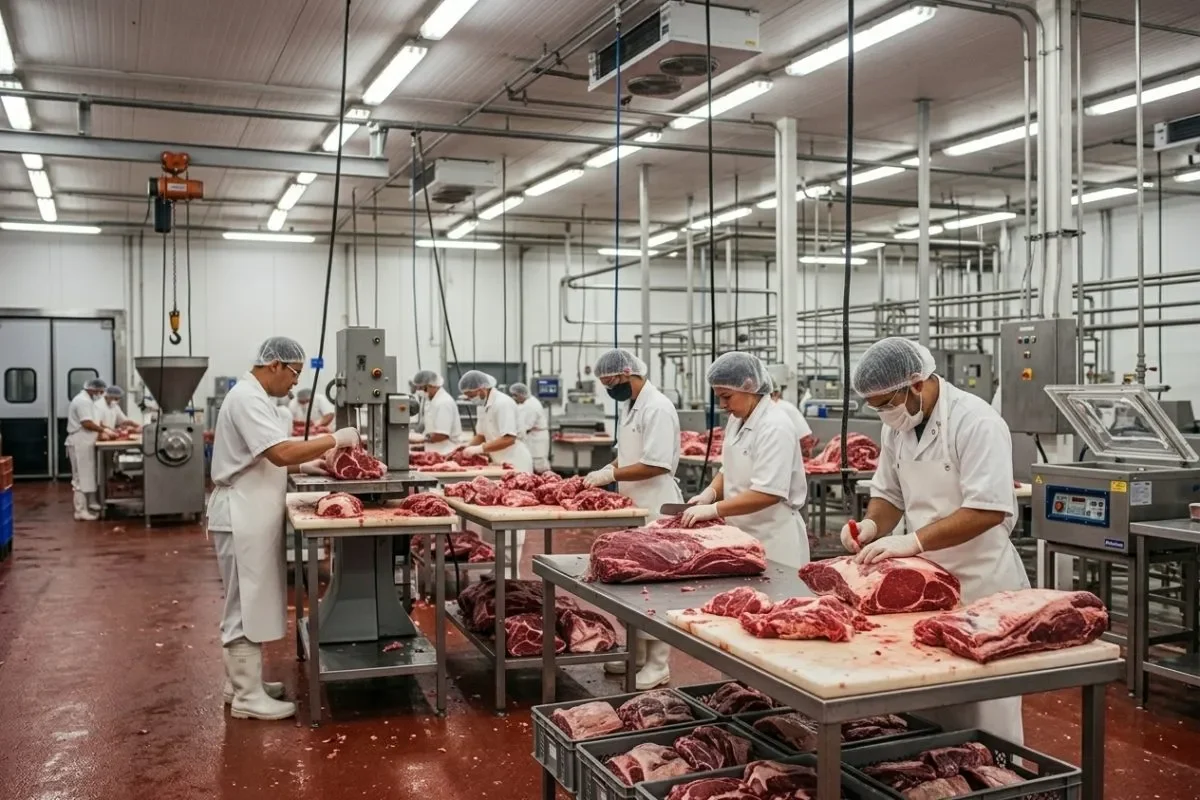
A magnitude 7.5 earthquake that struck Panama’s Azuero Peninsula has triggered a worsening dairy production crisis, with livestock producers warning that fractured roads and downed power lines are preventing milk collection from farms across the region. While rice inventories remain secure through mid-2027, the livestock sector faces mounting economic losses as impassable routes and bridge damage cut off access to dairy operations.
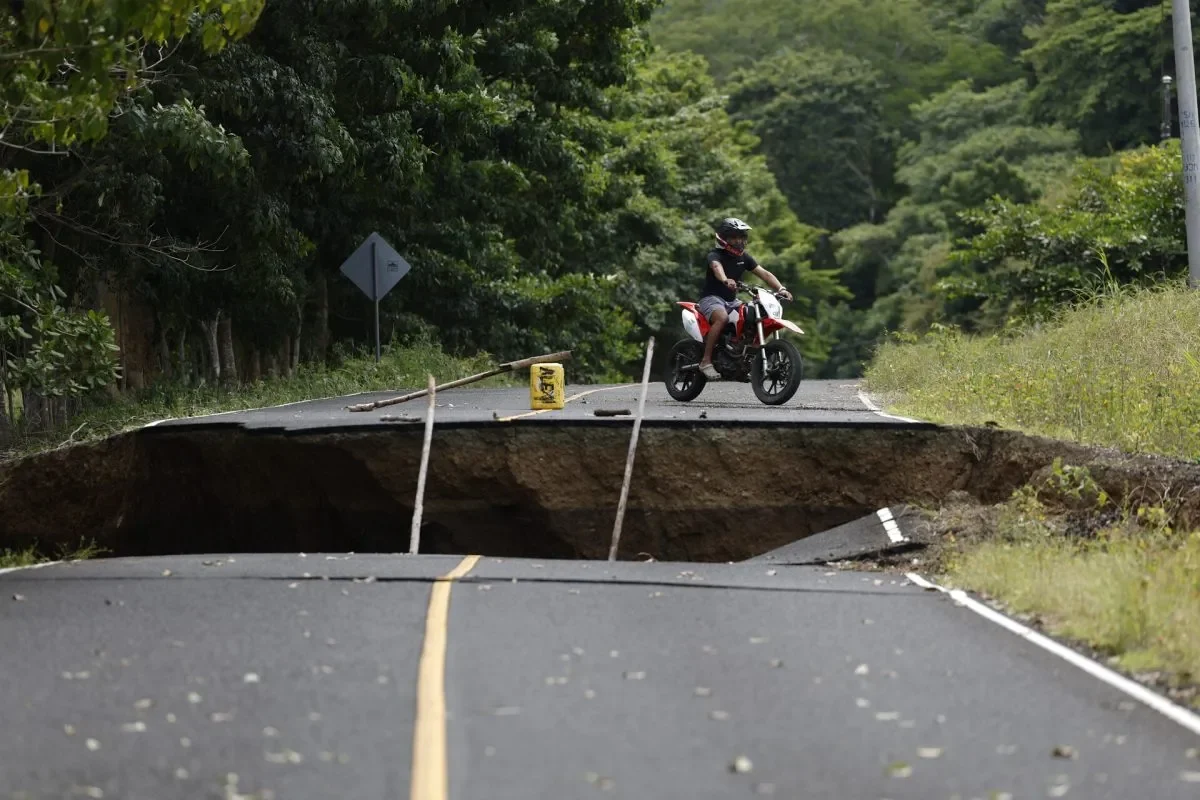
The quake, which hit on October 12, 2026, left deep cracks and sinkholes across critical highway segments in Los Santos, Herrera, and southern Veraguas provinces. Agricultural unions said the destruction threatens to paralyze the supply chain for milk, beef, and pork, even as rice producers confirmed stable grain reserves for the next 18 months.
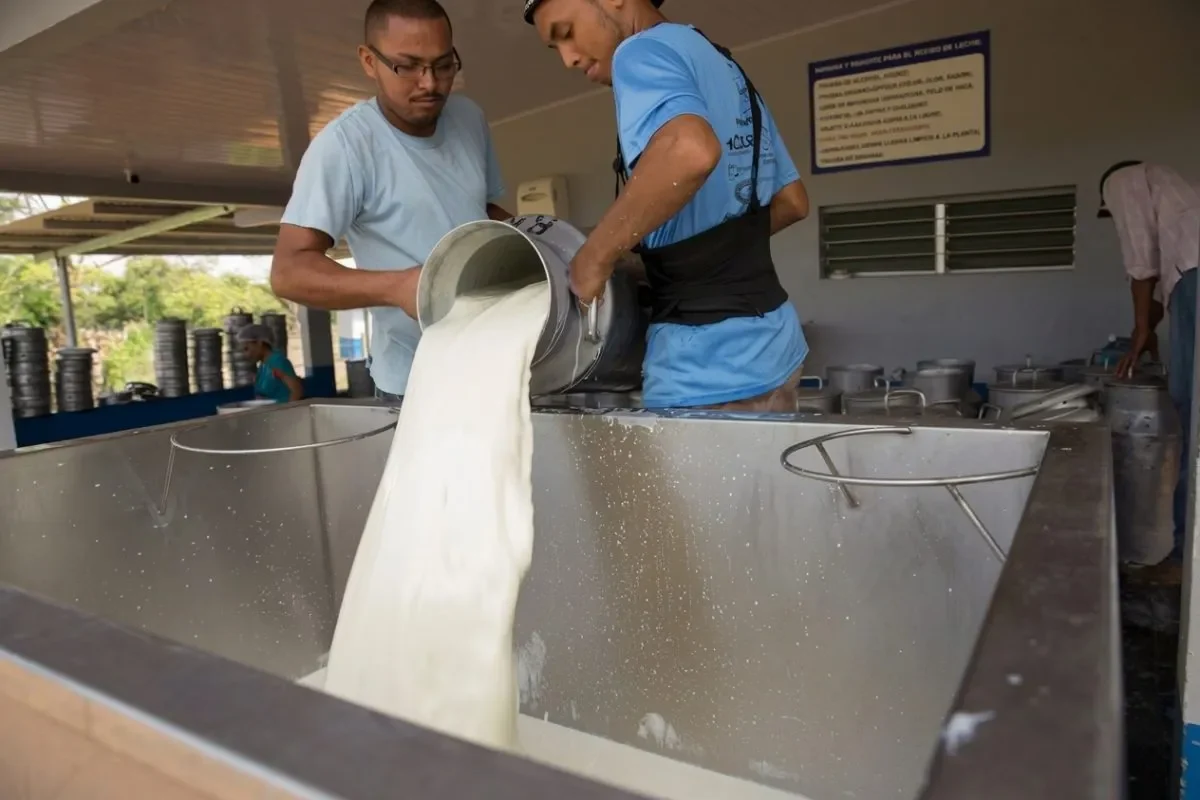
Dairy Production Crisis Deepens Across Azuero
Armando Cedeño, president of the National Cattlemen’s Association chapter in Los Santos, said impassable production roads and fractured bridges are blocking the movement of essential feed and preventing milk from leaving farms. The disruption has triggered serious veterinary consequences, as dairy cattle require daily milking and cannot wait for infrastructure repairs.
“We cannot get the milk out of the farms,” Cedeño said, describing mounting economic losses for producers who depend on daily collection routes. The power outages compound the problem, since milk storage requires refrigeration. Without electricity, even milk that reaches collection points spoils before transport.
Producers on Isla Cañas also reported severe losses in watermelon and corn crops, expanding the agricultural damage beyond livestock. The island’s isolation makes recovery efforts particularly difficult, with supply routes severed by the quake.
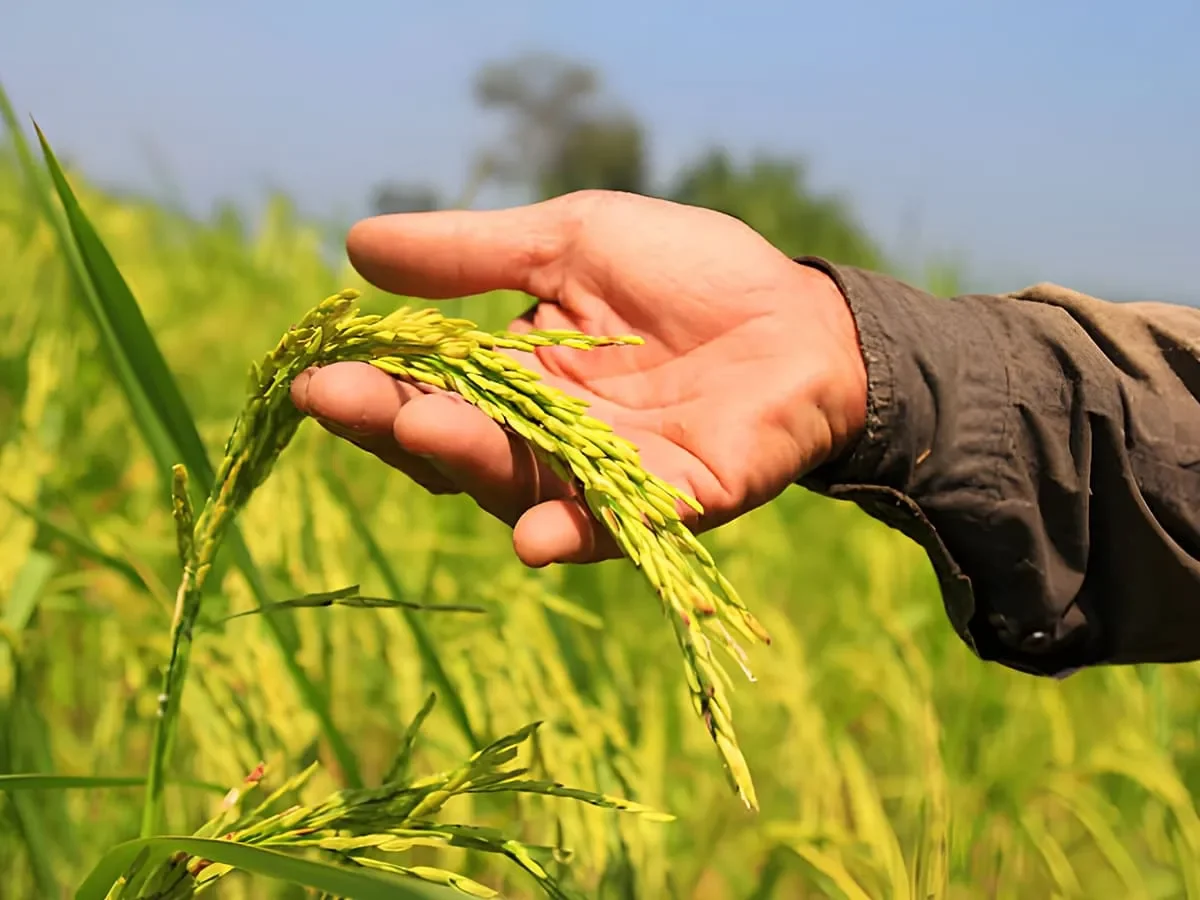
Rice Supply Secure Through First Half of 2027
Omar Spiegel, president of the Federation of Rice and Grain Producers Associations of Panama, confirmed that national rice inventories remain sufficient to supply the country through the first semester of 2027. Official agriculture ministry data through September 29, 2026, showed 54,521 hectares planted nationwide, with 11,159 hectares already harvested at an average yield of 91 quintals per hectare.
During the 2025-2026 agricultural cycle, Panama produced 375,834 metric tons of mechanized rice, with Chiriquí contributing 30 percent, Coclé 18 percent, Los Santos 14 percent, and Veraguas 13 percent. Spiegel recommended that farmers evacuate current harvests using light-duty trucks to avoid further damaging weakened road surfaces.
Power Restoration and Infrastructure Repairs Underway
Presidency Minister José Ramón Icaza Clément announced on October 12 that electricity had been restored in Mariato, Torio, and Quebro communities, with service gradually returning to Cañas and Tonosí. Naturgy confirmed that power in central Tonosí resumed around midnight, while repair crews continued working on transmission lines serving Cañas.
But Spiegel noted that electricity remains out in Arenas and Quebro in southern Veraguas, where dairy operations depend heavily on refrigeration. “Addressing the road issue is the most important thing of all, and the electricity issue also for milk production,” he said. “It is the most important.”
The Ministry of Agricultural Development said its current priority centers on assisting earthquake victims while awaiting official damage reports from the National Civil Protection System. Rice producers also face ongoing climate pressures from El Niño, adding another layer of uncertainty to the next planting cycle. Efforts to mitigate damages in Panama’s agri-food sector are now under way.