


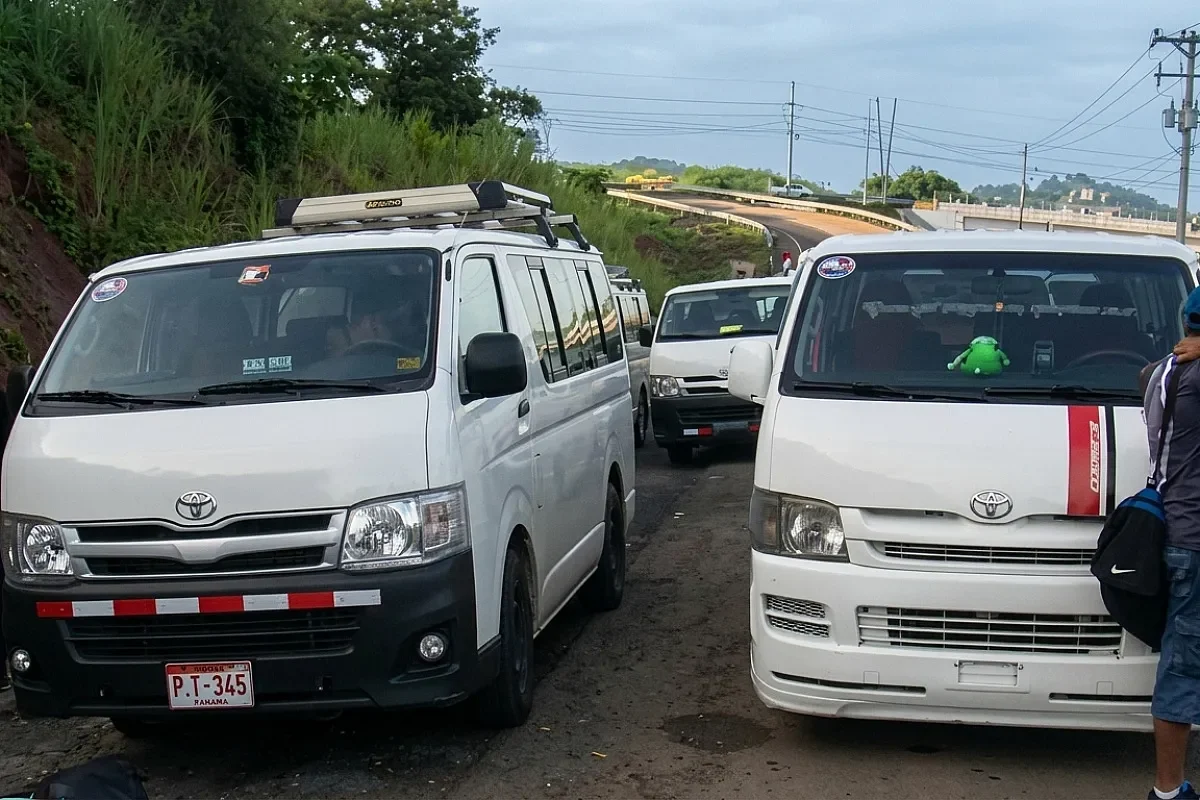
Transport operators in Arraiján are demanding urgent dialogue with Panamanian authorities after learning they will receive no public transit compensation once Metro Line 3 begins operations. The decision has triggered fears that thousands of workers could lose their livelihoods as the new rail system reshapes transportation across the western corridor.
Leaders from seven affected transport cooperatives confirmed they have formally requested meetings with government officials and commissioned a technical study to measure the operational impact. The announcement came as a direct blow to a sector that has served the region for five decades using private capital and certified route permits.
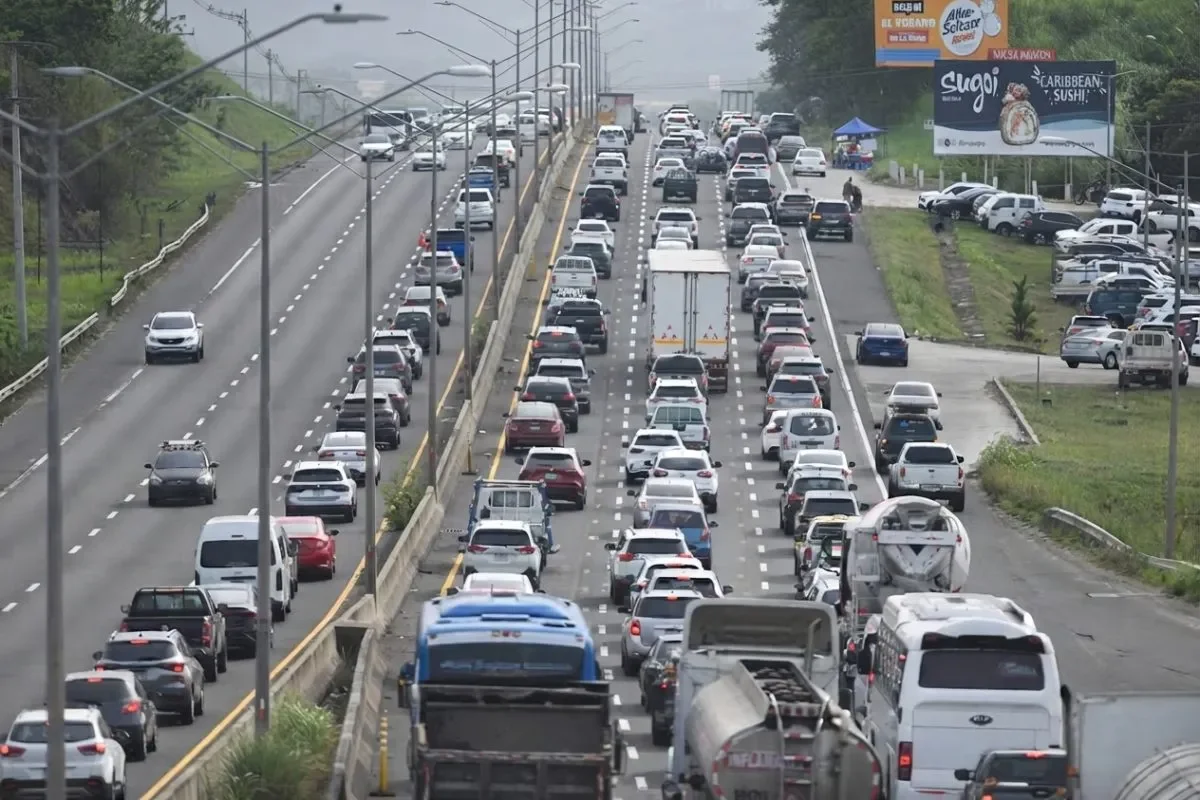
Decades of Service Without Public Transit Compensation
Candelario Sánchez, president of the Ciudad del Futuro route, rejected the government’s position and stressed that transport operators have invested their own resources for 50 years to maintain service across Arraiján and surrounding communities. He argued that any transition must include joint planning rather than unilateral decisions.
“We are not asking for handouts. We are asking for a seat at the table to reorganize the system before it collapses” [Translated from Spanish]
Sánchez warned that without structured negotiations, hundreds of bus owners could face financial ruin. The core issue centers on what happens to surplus vehicles if existing routes are reduced or eliminated to avoid competition with the new metro line.
Route Reorganization and Fleet Surplus Risks
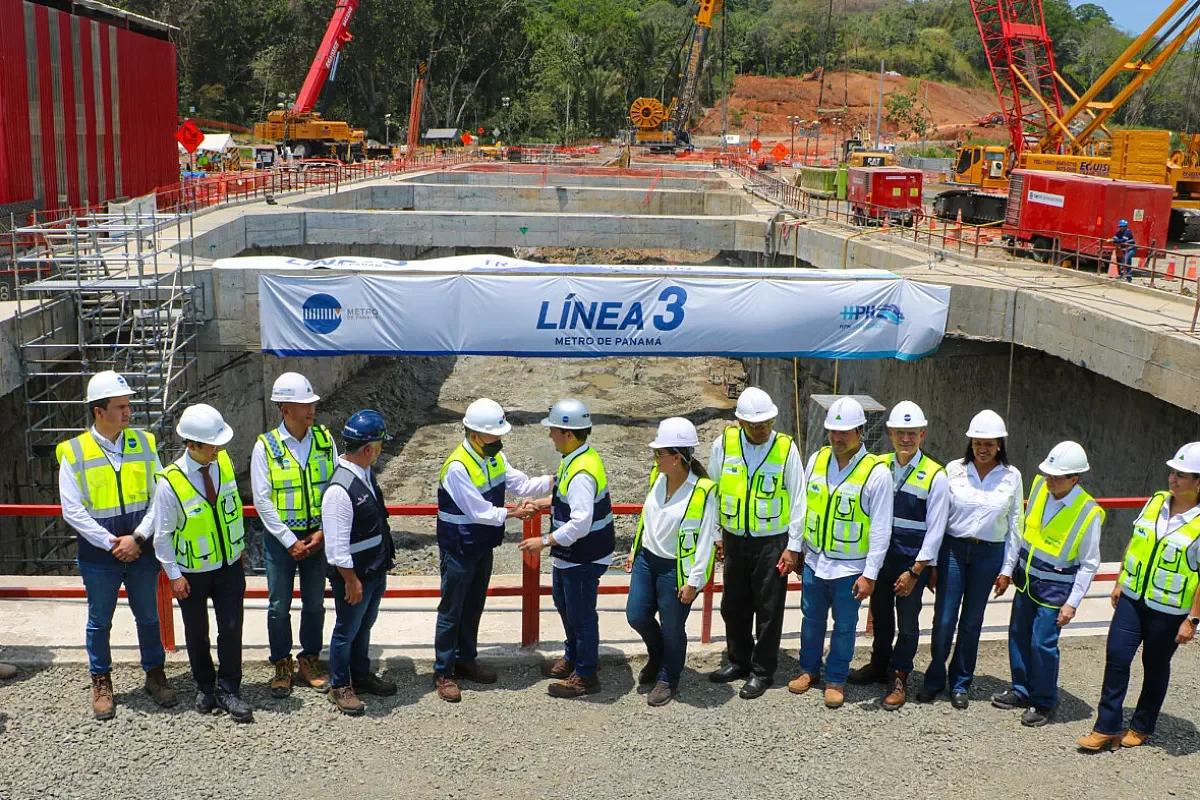
Guzmán Blanco, a transport leader from Arraiján and president of the Vista Alegre terminal, said the seven cooperatives have already commissioned an independent technical analysis. The study aims to quantify exactly how many units would become redundant once Line 3 connects Panama City with the western suburbs.
Blanco emphasized that the sector wants solutions, not confrontation. He called on the Transit and Land Transportation Authority (ATTT) to act as the governing body overseeing route restructuring. Without ATTT mediation, he said, the transition could descend into chaos for both operators and passengers.
The transport leaders are particularly concerned about certificate holders who own operation permits. These permits represent years of investment and often serve as collateral for loans. If routes are cancelled outright, certificate values could plummet and leave families without income or assets.
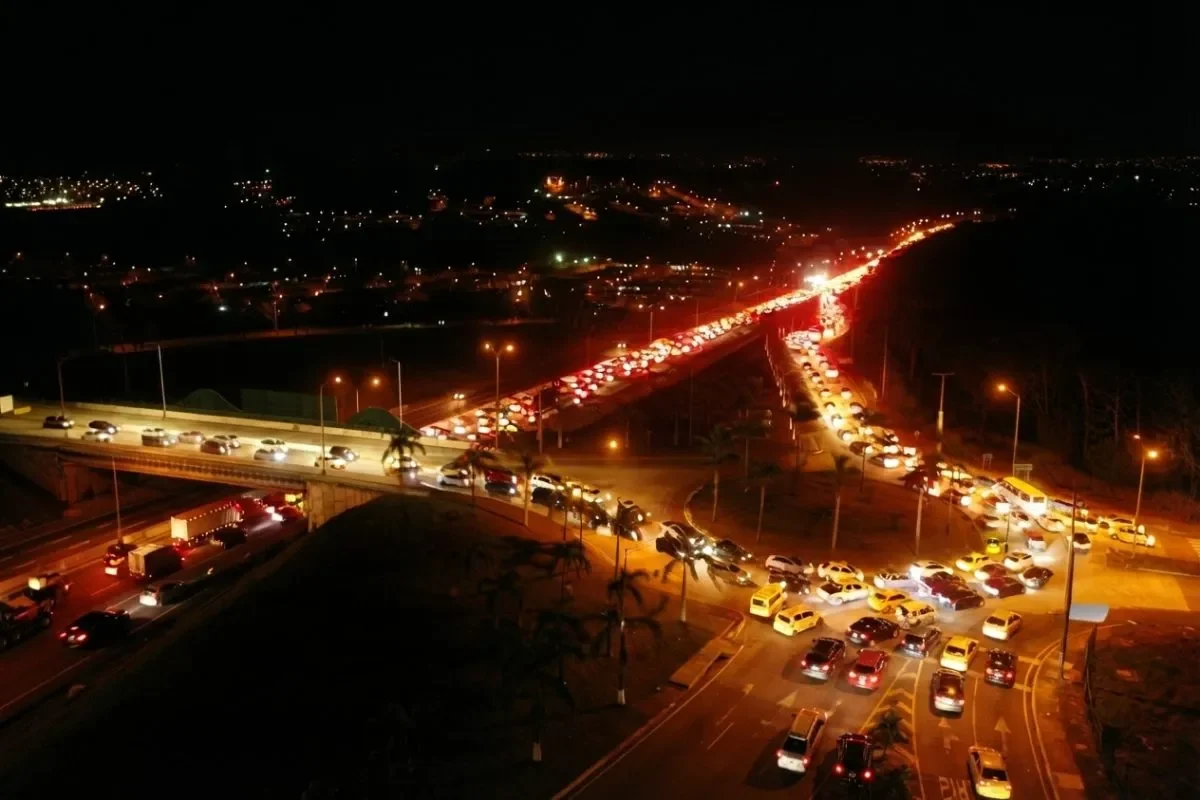
Family Livelihoods Hang in the Balance
The human cost extends beyond balance sheets. Sánchez noted that each bus supports multiple households, from drivers and mechanics to administrative staff. A sudden route reduction would ripple through communities already struggling with economic pressures.
Transport operators argue that Metro Line 3 should complement existing services rather than replace them entirely. They propose feeder routes that connect neighborhoods to metro stations, preserving jobs while improving connectivity for passengers.
The ATTT has not yet issued a formal response to the meeting requests. But, transport leaders remain hopeful that technical data from their commissioned study will force authorities to reconsider the no-compensation stance.
As construction of Metro Line 3 advances, the clock is ticking for thousands of workers whose futures depend on how quickly the government agrees to negotiate. The coming weeks will determine whether Panama’s transit modernization leaves an entire sector behind or integrates it into a functioning multimodal network.