


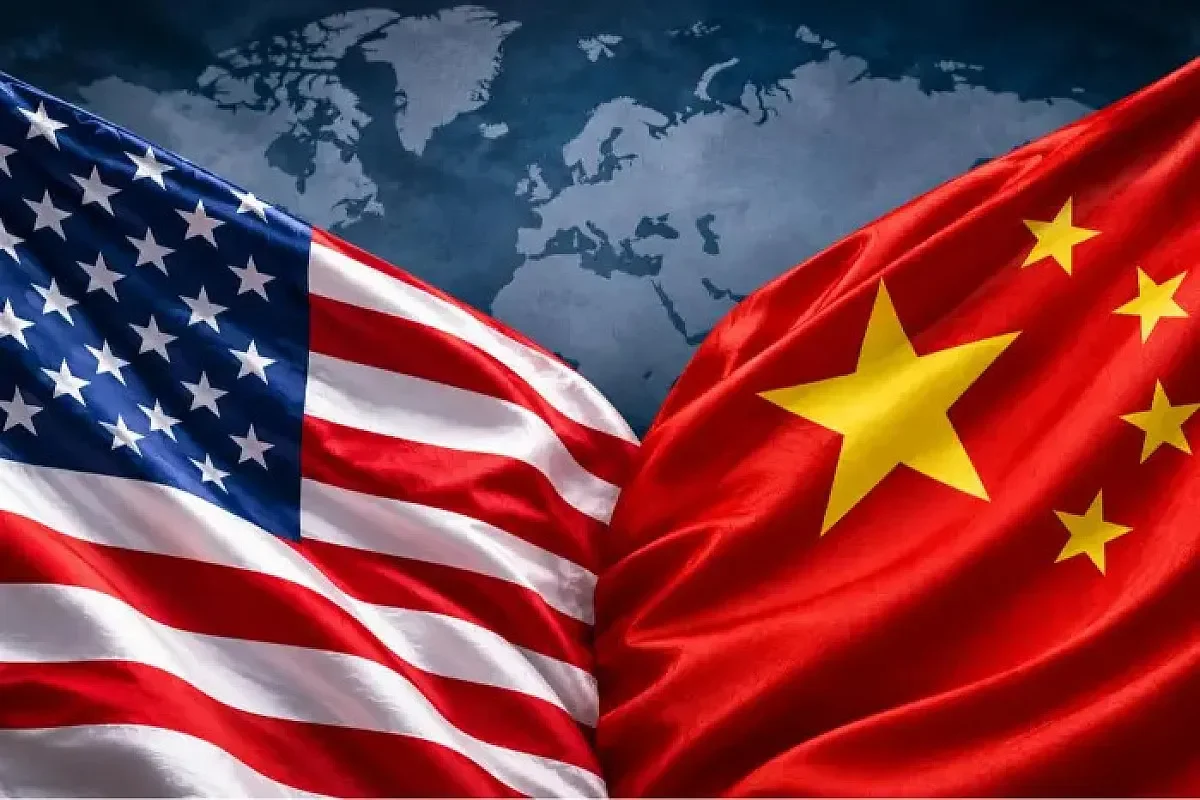
A diplomatic confrontation between Washington and Beijing has erupted in Panama, with both embassies trading accusations over cybersecurity threats, regional influence, and the delayed Fourth Bridge project. The exchange began October 30 when US Ambassador Kevin Cabrera warned of Chinese-linked cyber espionage operations targeting critical systems across the hemisphere, framing the issue within broader US China tensions that have increasingly played out in Latin America.
Cabrera’s initial remarks came after his participation in the Organization of American States Cybersecurity Forum of the Americas. He cited investigations by a cybersecurity firm that identified espionage operations linked to China and directed against entities throughout the region. The Chinese embassy in Panama responded within days, rejecting the allegations as defamation and questioning Washington’s own historical role in Latin America.
China le responde a embajador de Estados Unidos, Kevin Marino Cabrera. La Embajada de China rechazó las declaraciones que el diplomático estadounidense dio a Crítica, lo acusó de arrogancia y defendió sus inversiones en Panamá, incluido el Cuarto Puente. https://t.co/RCnBkLwL1k https://t.co/FqW9039gJM
— Diario Critica.Pa (@criticaenlinea) November 1, 2026
Cybersecurity Claims and Diplomatic Counterattack
Cabrera’s message on X emphasized that protecting digital infrastructure requires trusted partners and proven technology. “Cybersecurity is national security. Protecting sovereignty means guaranteeing the security of digital infrastructure through reliable collaborators and tested technology,” he stated. The ambassador framed the issue as one of regional stability, urging countries to scrutinize technology providers and maintain constant vigilance against intrusions.
China’s embassy fired back with unusually direct language, invoking a thief analogy to dismiss the accusations.
“We ask the US Ambassador not to act like the thief crying ‘stop thief!'” [Translated from Spanish]
The Chinese mission insisted that Beijing firmly opposes cyber espionage and cyberattacks, and called for cybersecurity cooperation between nations rather than confrontation and suspicion. This exchange represents one of the sharpest public diplomatic clashes between the two powers on Panamanian soil since the country established relations with China in 2017.

Fourth Bridge Project Becomes Focal Point of US China Tensions
The dispute quickly expanded beyond cybersecurity into infrastructure and economic influence. Cabrera criticized Chinese investments in the region, specifically pointing to the Fourth Bridge over the Panama Canal. The project, contracted to Chinese companies, has faced significant delays and cost overruns. Cabrera described China’s regional influence as “malign” and suggested that such characterizations provoke strong reactions from Beijing’s diplomatic corps.
China’s embassy responded by accusing Cabrera of “malicious defamation” and criticizing what it called an attitude of superiority and prejudice toward China and Latin American nations. The statement questioned Washington’s historical treatment of the region, accusing the United States of treating Latin America as its “backyard” and using political pressure and economic sanctions to force sovereign countries to choose sides.
The Chinese embassy defended its cooperation model, stating that investments follow market principles and legality, with agreements that are open, transparent, and mutually beneficial. Beijing emphasized that its approach includes no additional political conditions or interference in internal affairs, a direct contrast to what it describes as Washington’s coercive tactics.
El Embajador de Estados Unidos en Panamá vuelve a lanzar ataques contra China, y calumnias y difamaciones sobre las relaciones China-Panamá y China-América Latina y el Caribe, el portavoz de la Embajada de China en Panamá declara lo siguiente: Las declaraciones del Embajador estadounidense están impregnadas de superioridad y arrogancia hacia los países de la región, así como de prejuicios arraigados contra China; constituyen una difamación maliciosa inventada desde la nada. ¿Quién ha ocupado durante tanto tiempo la región, tratándola como su “patio trasero”, practicando el hegemonismo, la intimidación y la política de poder? ¿Quién saquea y explota la región, exportando caos y división? ¿Quién recurre a la presión política y a las sanciones económicas para forzar a países soberanos a elegir bando y exigirles eliminar la supuesta “influencia” de terceros? La respuesta es más que obvia. La cooperación china de beneficio mutuo no socava el orden regional, ni pisotea la soberanía de otros países, ni crea confrontación ni división. Eso lo hace Estados Unidos con su mentalidad hegemónica y su conducta despótica, profundamente arraigadas. La participación de las empresas chinas en proyectos de construcción y en la cooperación económica y comercial en Panamá y en toda América Latina y el Caribe sigue estrictamente los principios de mercado y de legalidad. Toda la cooperación es abierta y transparente, con reglas claras y beneficios mutuos, sin condiciones políticas adicionales ni injerencia en los asuntos internos de ningún país, y se basa siempre en las necesidades de desarrollo local para contribuir al bienestar social y la economía. Durante años, los proyectos de cooperación con capital chino han impulsado eficazmente el crecimiento económico regional, mejorado la infraestructura y creado numerosos empleos locales, beneficiando de manera tangible a la población y obteniendo amplio reconocimiento y alta valoración de gobiernos y ciudadanos de la región. Los resultados son evidentes e irreprochables. La construcción del Cuarto Puente ha generado más de 3.000 empleos directos a nivel local; una vez concluida la obra, mejorará enormemente la movilidad de cerca de 2 millones de personas a ambos lados del Canal e inyectará gran vitalidad al desarrollo económico y social de Panamá. Como bien dice el refrán, no dejes de sembrar por miedo a los cuervos. Ningún ruido, ninguna difamación, ninguna presión hegemónica podrá socavar la firme determinación de China de profundizar la cooperación amistosa con Panamá y con los países de América Latina y el Caribe, ni impedir la tendencia de los países de la región hacia el desarrollo autónomo y el beneficio mutuo. La cooperación mutuamente beneficiosa entre China y Panamá y entre China y América Latina y el Caribe es transparente y honorable, reporta beneficios duraderos para las generaciones futuras y resistirá el escrutinio de la historia y de los pueblos.
— Embajada de China en Panamá (@EmbChinaPa) November 1, 2026
Employment Claims and Regional Implications
Regarding the Fourth Bridge specifically, China’s embassy highlighted the project’s local economic benefits. The construction has generated more than 3,000 direct local jobs, according to the diplomatic mission. Once completed, the bridge is expected to improve mobility for approximately two million people on both sides of the Canal and contribute to Panama’s economic and social development.
The exchange underscores how Panama has become a stage for broader US China tensions playing out across the hemisphere. Both powers view the country’s strategic location and Canal infrastructure as vital interests. Washington has pushed for restrictions on Chinese technology and investment, while Beijing continues to expand its economic footprint through infrastructure projects and trade agreements throughout Latin America and the Caribbean.
The Chinese embassy concluded its statement with a defiant tone.
“No noise, no defamation, no hegemonic pressure will undermine China’s firm determination to deepen friendly cooperation with Panama and with the countries of Latin America and the Caribbean” [Translated from Spanish]
The diplomatic standoff shows no signs of resolution, with both embassies maintaining their positions and neither side indicating willingness to de-escalate the rhetoric. For Panama, caught between two global powers, the exchange highlights the delicate balancing act required as both nations compete for influence over the country’s strategic assets and political alignment.