


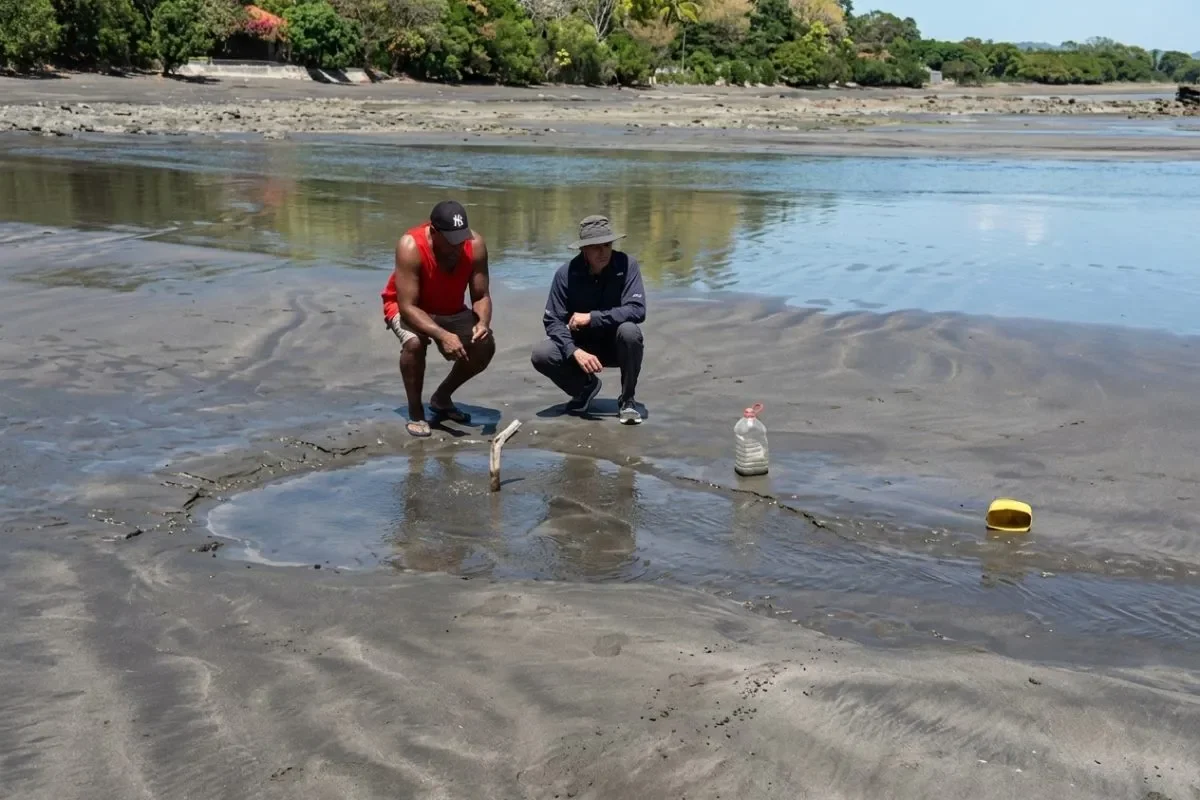
Panama’s environment minister confirmed Monday that the October 9 earthquake caused a natural springs emergence in areas where no water sources previously existed, marking an unexpected hydrological shift alongside the damage to homes and roads.
Juan Carlos Navarro revealed the findings during protocol ceremonies at Amador Cemetery for the Day of the Dead, stating that seismic activity altered terrain across multiple points of the national territory. He did not specify how many springs appeared or their exact locations.
En Búcaro, distrito de Tonosí, residentes reportan el surgimiento de una especie de ojo de agua en la playa, luego del sismo registrado el pasado 9 de octubre. Piden a especialistas realizar una investigación para determinar a qué se debe este fenómeno. https://t.co/OCLrMtlbWA
— Telemetro Reporta (@TReporta) October 30, 2026
Natural Springs Emergence and Park Damage
The minister explained that the earthquake’s force reshaped underground water channels, pushing groundwater to the surface in previously dry zones. This natural springs emergence phenomenon typically occurs when seismic waves compress aquifers or fracture impermeable rock layers, forcing water upward.
National parks also sustained damage, particularly along hiking trails. Navarro cited Bayano as one affected area, noting that trail systems required intervention before reopening. Despite the setbacks, he confirmed all parks remain operational and were prepared ahead of schedule for the November patriotic holidays.
Coastal Erosion and Infrastructure Impacts
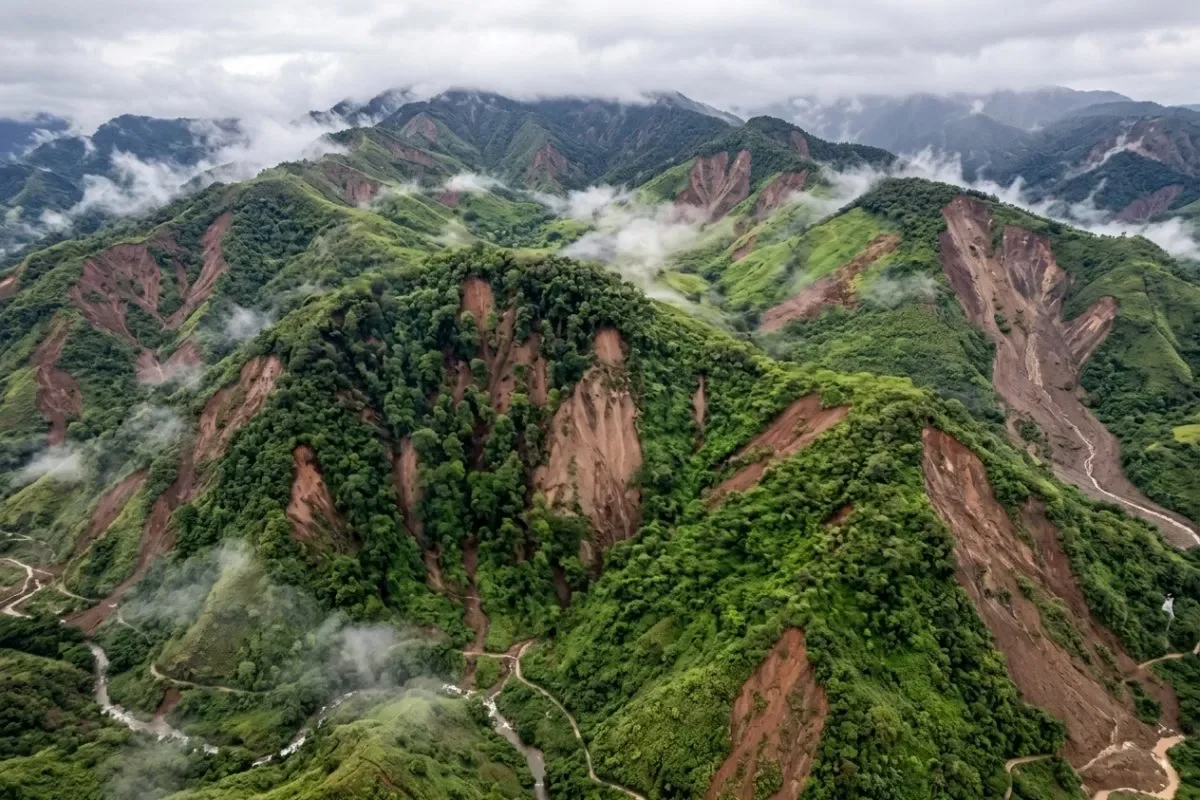
Beyond the springs and trail damage, the earthquake triggered landslides on several roadways and accelerated erosion in vulnerable coastal zones. Navarro pointed to Isla Cañas as a specific example, where seismic activity completed the division of a land strip already weakened by ongoing erosion.
The minister’s assessment underscores the earthquake’s dual impact: immediate structural destruction alongside slower-moving environmental changes that officials continue to map weeks after the event. Emergency housing efforts remain underway for displaced families, with government officials aiming to complete temporary shelters before year’s end.

Environmental Monitoring Continues
MiAmbiente teams are now cataloging the full extent of ecological disruption, including the newly formed springs that could alter local ecosystems or provide new water access for rural communities. Navarro offered no timeline for completing this assessment.
The October 9 quake, which damaged infrastructure across central Panama, has now been linked to at least three distinct environmental consequences: new water sources, trail destruction in protected areas, and accelerated coastal fragmentation. Officials say monitoring will continue as aftershocks and erosion patterns evolve through the rainy season.