


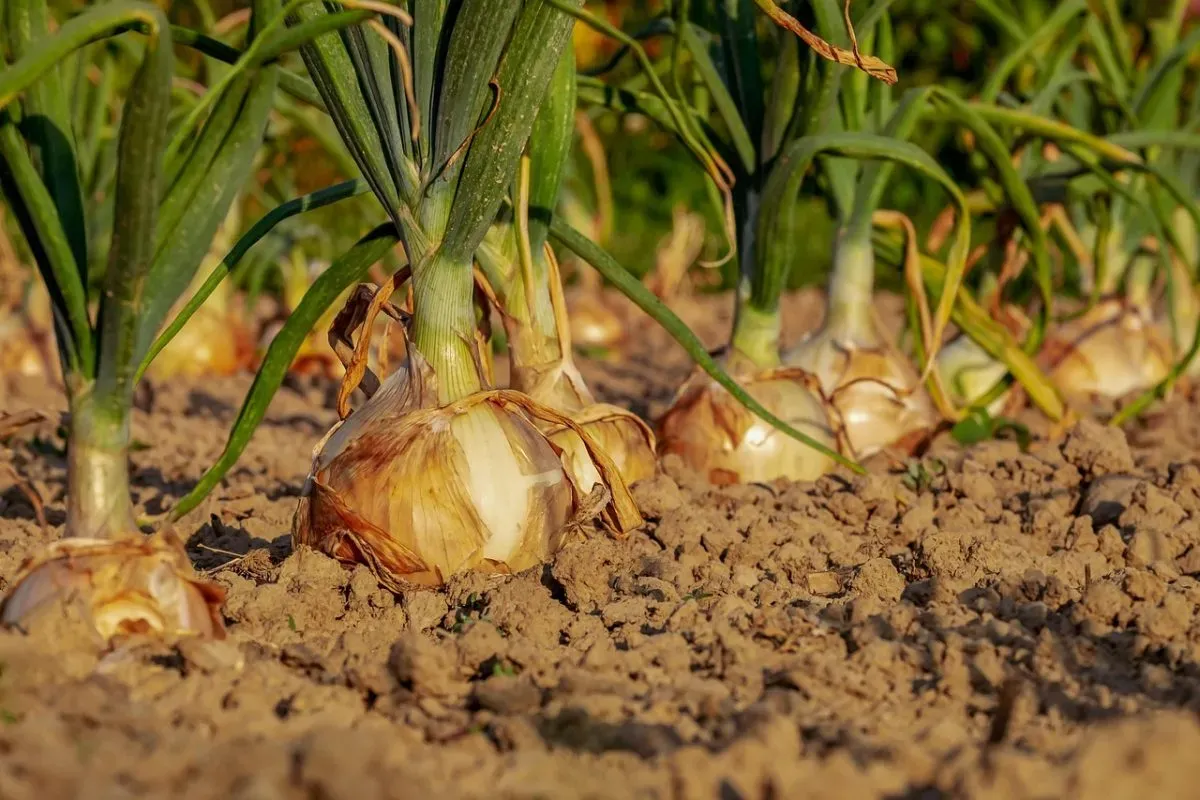
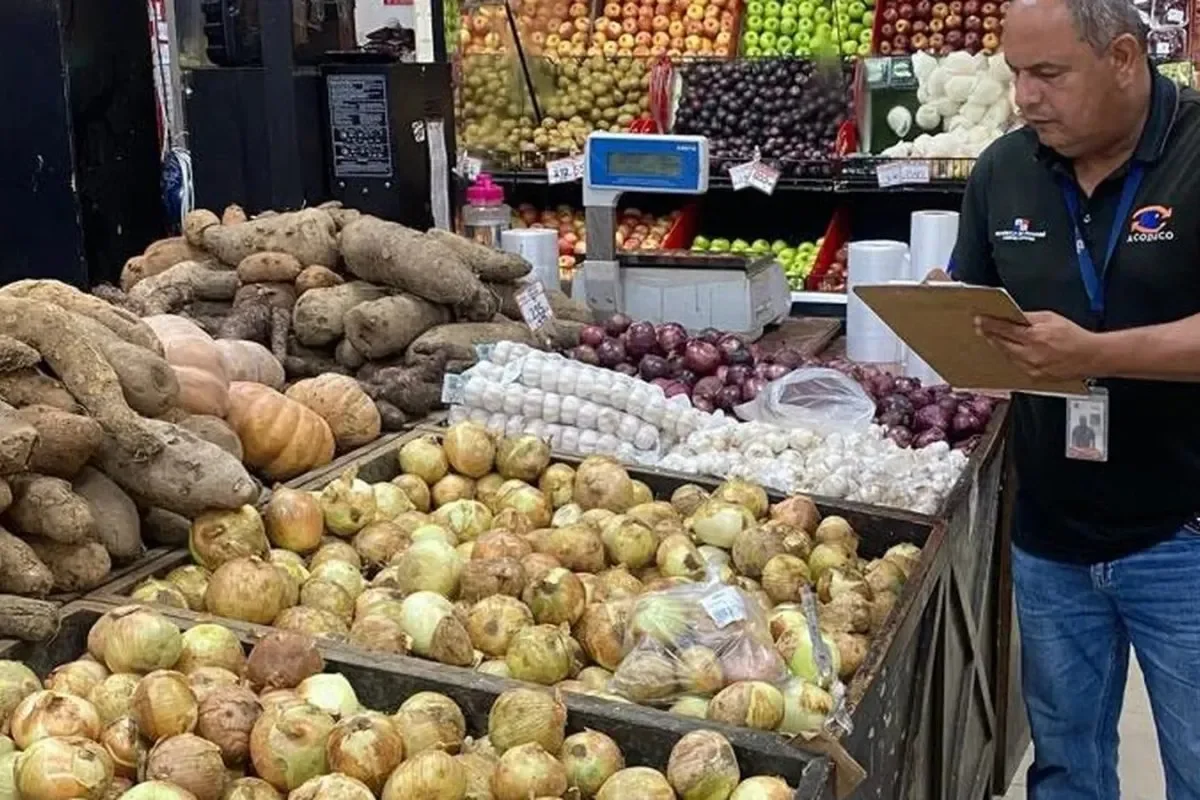
A three-day national operation is underway to determine exactly how much onion inventory Panama currently holds, with inspectors deployed across farms, warehouses, collection centers, supermarkets and retail points. The coordinated effort, which began this week, aims to map the real availability of the staple food from production sites to consumer shelves.
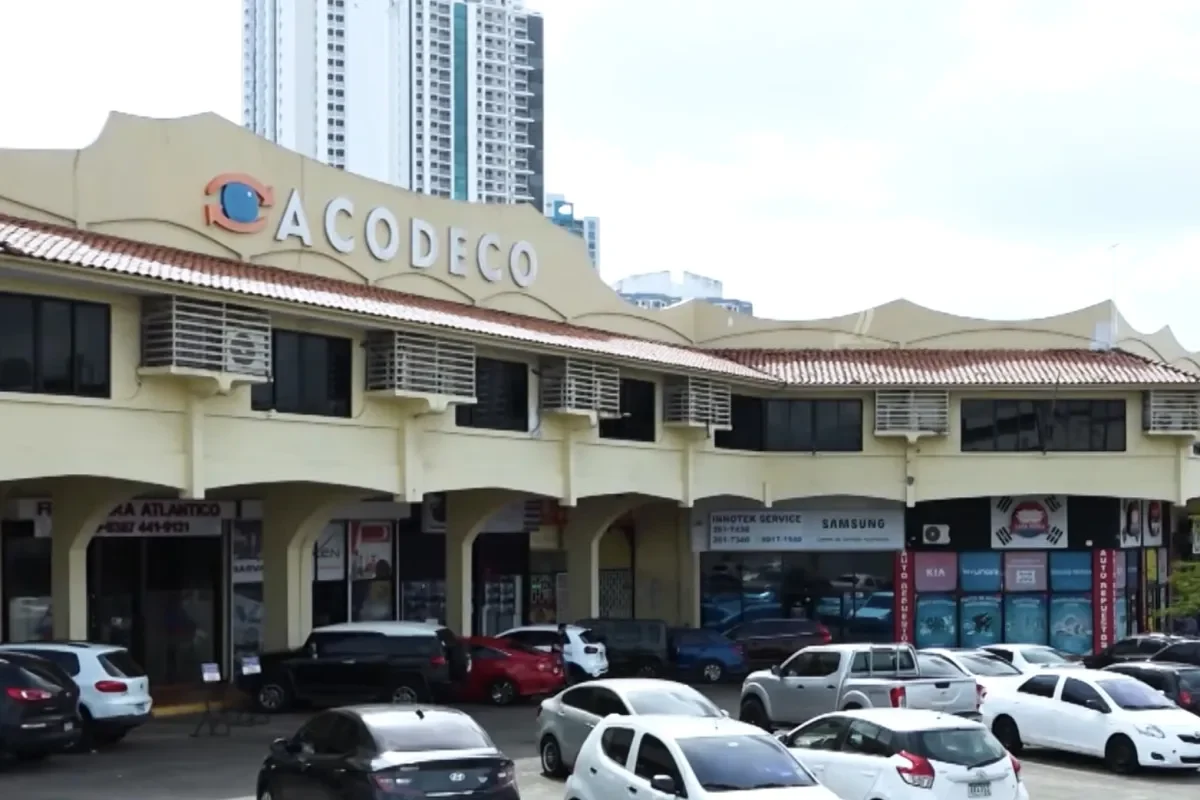
The Ministry of Agricultural Development (MIDA) is leading the inspection, joined by the Consumer Protection and Competition Defense Authority (Acodeco) along with several state entities. Participating agencies include the Agricultural Marketing Institute (IMA), the Agricultural Insurance Institute (ISA), the Agricultural Development Bank (BDA) and the National Bank of Panama (BNP).
Tracking Onion Inventory Panama From Farm to Shelf
Officials said the data collected will establish with greater precision how much product is circulating in the market. The information will serve as a reference point for decisions tied to national food supply management. Inspectors are documenting stock levels at every stage of the commercial chain, not just at final retail destinations.
The sweep covers growing areas where onions are cultivated, intermediate storage facilities where product is held before distribution, and the supermarkets and smaller shops where consumers make purchases. By covering all these layers simultaneously, authorities expect to build an accurate snapshot of total available supply.
Government Agencies Coordinate Market Surveillance Effort
The operation falls under broader market monitoring and consumer protection duties assigned to the participating institutions. Acodeco’s involvement signals a focus on preventing price manipulation or artificial scarcity, concerns that often accompany staple food supply fluctuations in the region.
Agricultural sector banks and insurance bodies are also contributing on-the-ground personnel and logistical support. Their participation reflects the government’s integrated approach to food security, linking production finance, crop insurance and market regulation under a single inspection framework.
Data to Guide National Supply Decisions
Once the three-day inventory count concludes, MIDA will consolidate the findings into a unified report. That document is expected to guide any necessary interventions, whether importing additional product, releasing stored reserves or adjusting distribution channels to address regional shortages.
The onion is a core ingredient in Panamanian cuisine, making its availability and price a politically sensitive issue. Previous supply disruptions have triggered rapid price increases and public frustration, prompting authorities to strengthen early-warning systems for staple crops.
No preliminary figures have been released from the ongoing inspection. Officials indicated results will be announced after the data verification process is complete, with subsequent policy actions determined by the verified inventory levels.