


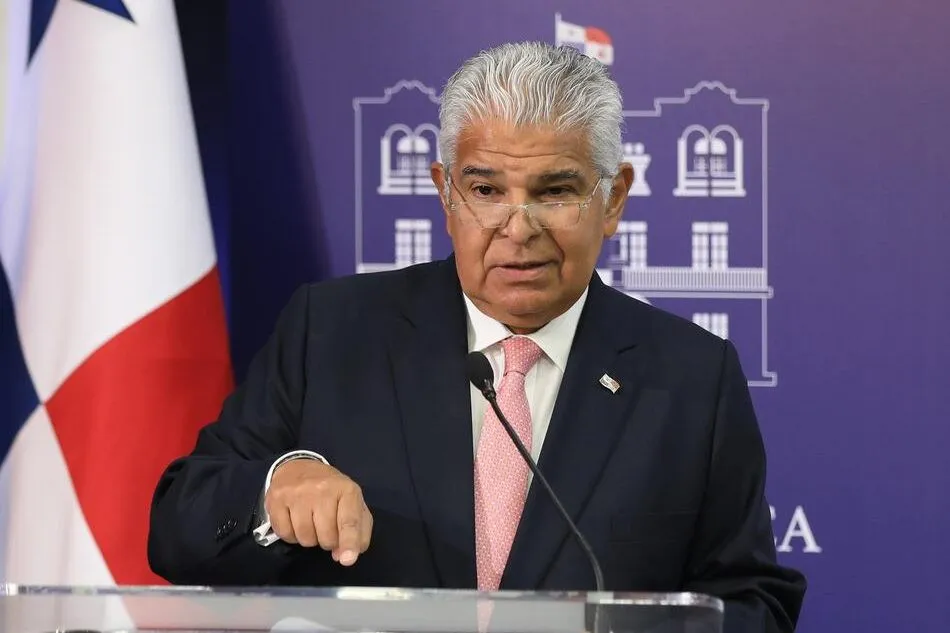
The Panamanian government has launched formal Panama mining negotiations with Minera Panamá, aiming to secure higher economic returns while imposing non-negotiable environmental safeguards and a definitive closure plan for the Cobre Panamá mine. President José Raúl Mulino announced the talks Monday, placing Commerce and Industries Minister Julio Moltó in charge of an interministerial team that will lead discussions with the Canadian-owned subsidiary.
The announcement marks a significant policy shift after the mine’s chaotic shutdown in late 2023, which followed nationwide protests and a Supreme Court ruling that declared the original concession contract unconstitutional. Mulino framed the new approach as a controlled reopening pathway, but one bound by five principles he described as non-negotiable.
Five Non-Negotiable Principles Guide Panama Mining Negotiations
Mulino outlined five conditions that will anchor the government’s position throughout the talks. First, all subsurface mineral resources belong entirely to Panama. Second, the country must receive maximum economic benefit, with tangible results felt across the national territory. Third, no company may exercise decision-making power over Panamanian territory, waters, or airspace.
Fourth, the government will demand the highest environmental standards, including strict controls, independent oversight, and public information disclosure. Fifth, any eventual agreement must fully comply with Panama’s Constitution and existing laws. These principles effectively rule out the fiscal and sovereignty arrangements that characterized the previous contract, which critics argued favored the mining operator disproportionately.
El presidente de la República de Panamá, José Raúl Mulino, anunció este lunes que ordenó el inicio de conversaciones formales con Minera Panamá para lograr un nuevo acuerdo con "mayores beneficios para el país", para dirigir hacia un cierre definitivo del proyecto de cobre ubicado en Donoso.
— Telemetro Reporta (@TReporta) November 16, 2026
Closure Plan and Environmental Safeguards
A central element of the negotiation framework is a mandatory, company-funded plan for the orderly and definitive closure of the mine. This plan must include reforestation efforts and measures to prevent further environmental damage. Mulino stated that the closure timeline would not be negotiable and could not be extended through prorogues or administrative delays.
The president also confirmed that the announcement represents only the beginning of conversations, not a finalized agreement. The process will incorporate public information mechanisms and citizen participation, particularly for communities near the project site, in alignment with the Escazú Agreement on environmental democracy. That regional treaty, ratified by Panama in 2020, requires governments to guarantee access to environmental information and meaningful public involvement in decisions affecting local ecosystems.
Regional Context and Next Steps
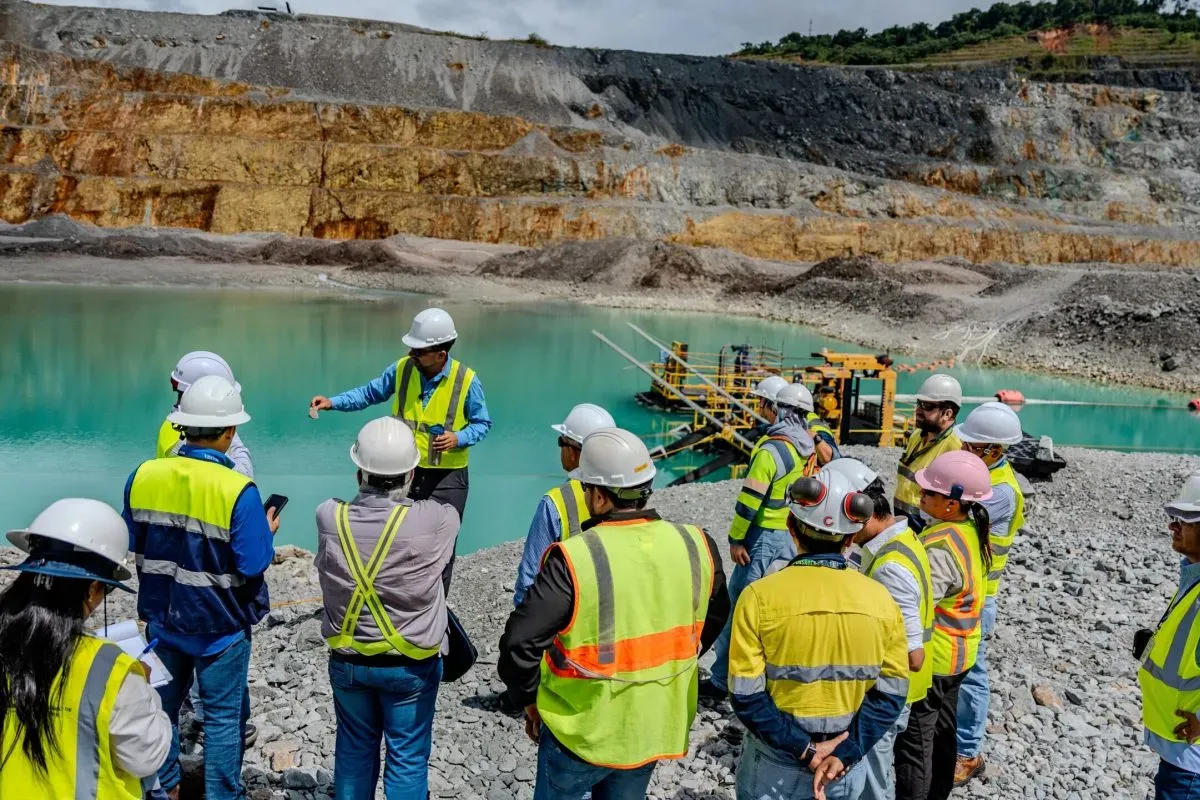
The Cobre Panamá mine, located in Donoso district, Colón province, was one of the largest open-pit copper operations in Central America before its suspension. Its closure eliminated thousands of direct jobs and cut a significant source of government revenue, intensifying fiscal pressures on the Mulino administration. The new talks signal an effort to recover some economic benefit while addressing the governance failures that triggered the original crisis.
Moltó’s interministerial team has not yet released a timeline for concluding the negotiations. Officials indicated that any draft agreement would undergo public scrutiny before reaching the National Assembly for potential approval. The government has not specified whether the talks will involve a revised royalty structure, a new tax regime, or a complete renegotiation of the concession framework. Those details remain under discussion as both parties assess the feasibility of reopening under conditions far stricter than those that governed the mine’s original operation.