


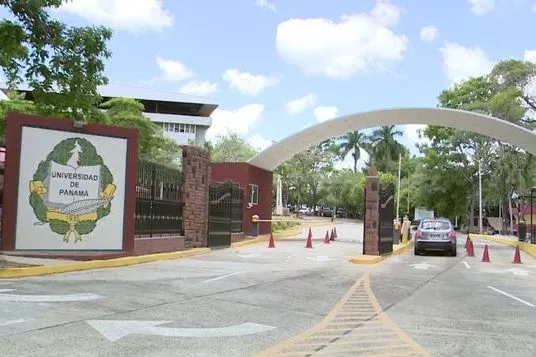
More than 20,000 prospective students completed first-year admission tests for the University of Panama, competing for just 15,000 available spots for the 2027 academic year, university officials confirmed Monday. The gap between applicants and capacity affects both the main campus in Panama City and regional branches across the country.
Rector José Emilio Moreno provided the assessment of the admission process, stating that the number of applicants significantly exceeds the institution’s ability to accommodate new students. The shortfall means thousands of qualified candidates will be unable to enroll next year.
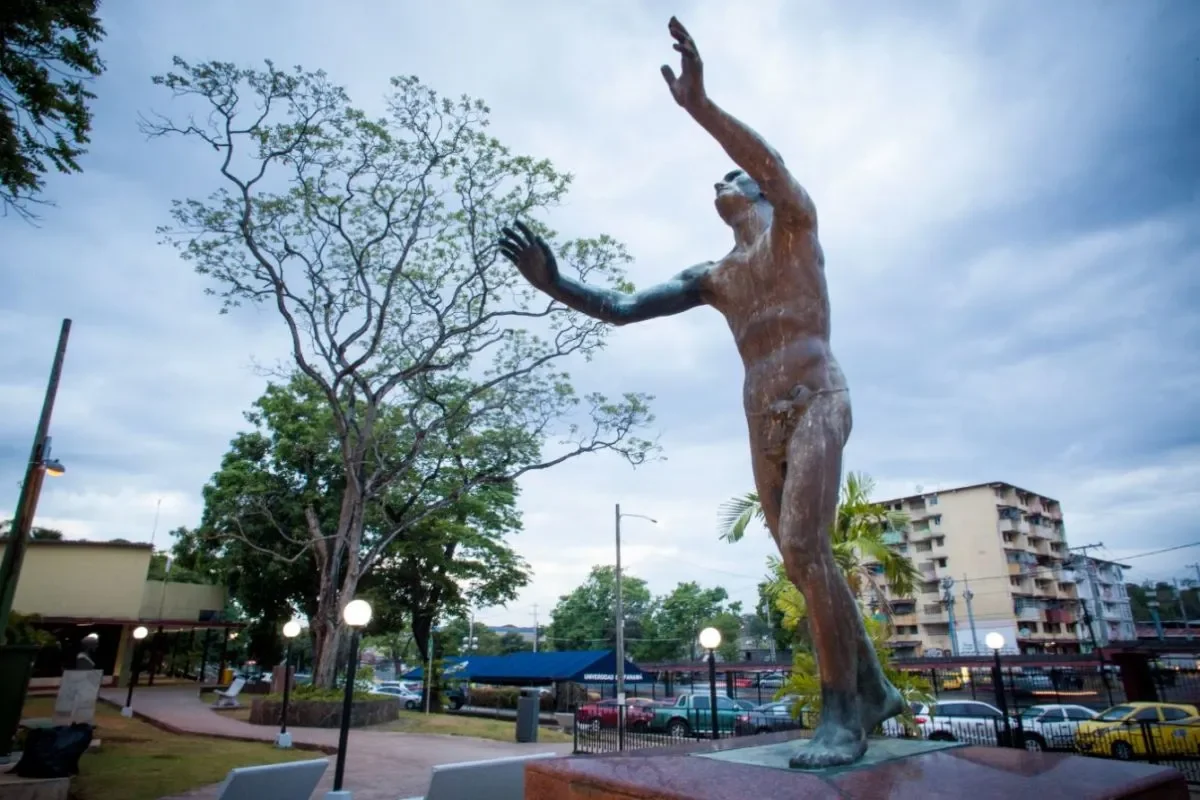
Capacity Constraints Hit Panama Entrance Exams Process
The university’s infrastructure limitations have created persistent bottlenecks in high-demand programs. The Faculty of Medicine faces particularly acute space shortages, where physical facilities constrain the number of students who can pursue medical degrees despite strong interest from applicants.
Moreno explained that the institution is awaiting the necessary government endorsement to proceed with contracting and construction of new facilities for the Faculty of Medicine at the City of Health complex. The planned expansion would address some of the faculty’s space requirements amid rising demand from students seeking admission to the country’s flagship public university.
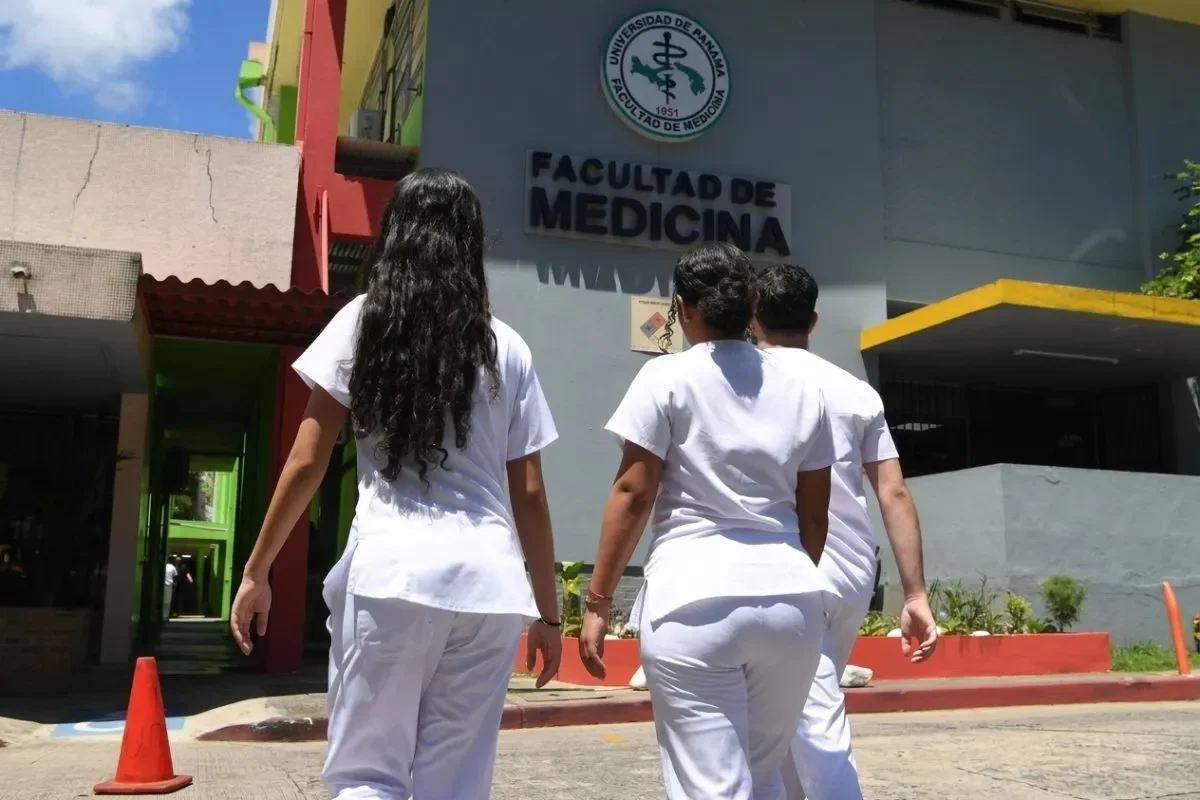
Medicine Faculty Expansion Awaits Government Approval
The proposed new medical facilities represent a critical step toward expanding educational access. Without additional infrastructure, the university cannot increase enrollment capacity in one of its most competitive programs, officials said.
Administrators note that the situation reflects broader challenges facing public higher education in Panama, where demand consistently outstrips available resources. The admission tests, completed by more than 20,000 hopeful students, underscore the competitive nature of securing a place at the national university.
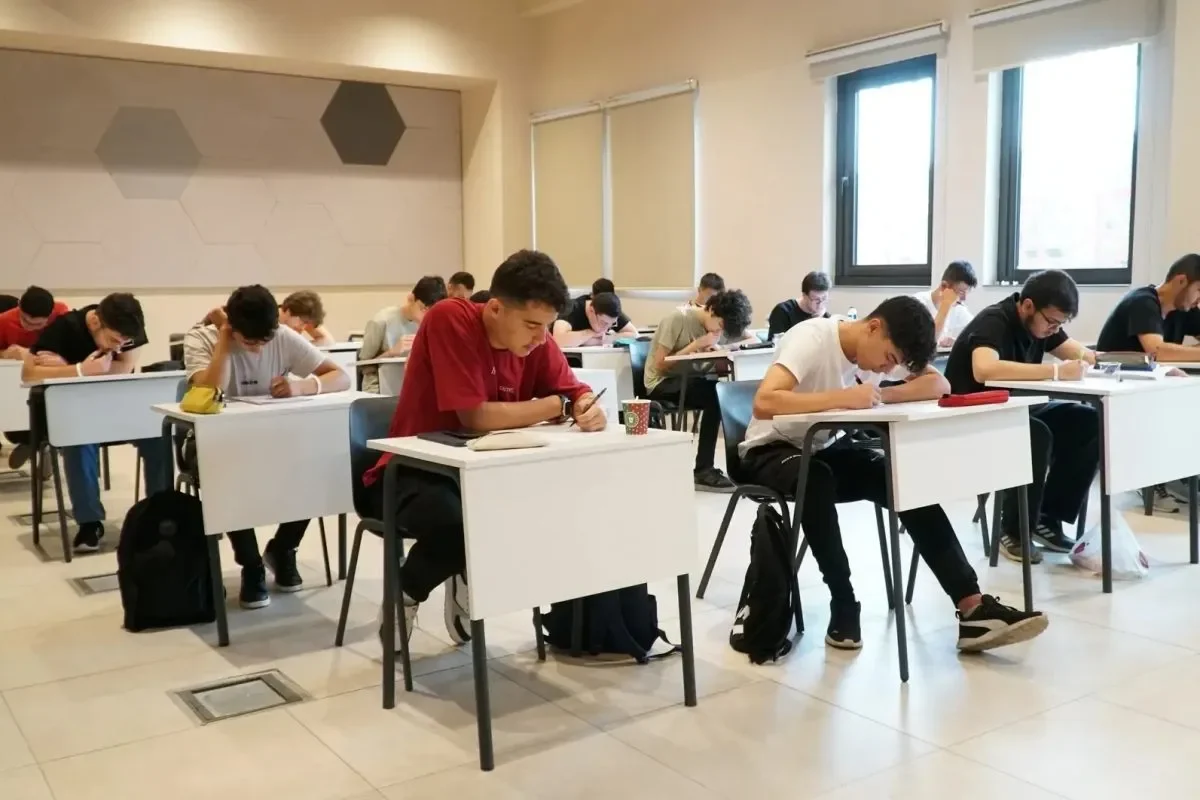
What the Admission Gap Means for Prospective Students
Students who do not secure one of the 15,000 available slots will need to consider alternative institutions or postpone their educational plans. The university has not announced any immediate solutions to bridge the gap between applicants and capacity for the upcoming academic year.
The rector’s update comes as the university continues processing exam results and preparing for the 2027 enrollment cycle. With construction timelines dependent on government approval, any expansion of medical school capacity remains uncertain for the near term.