


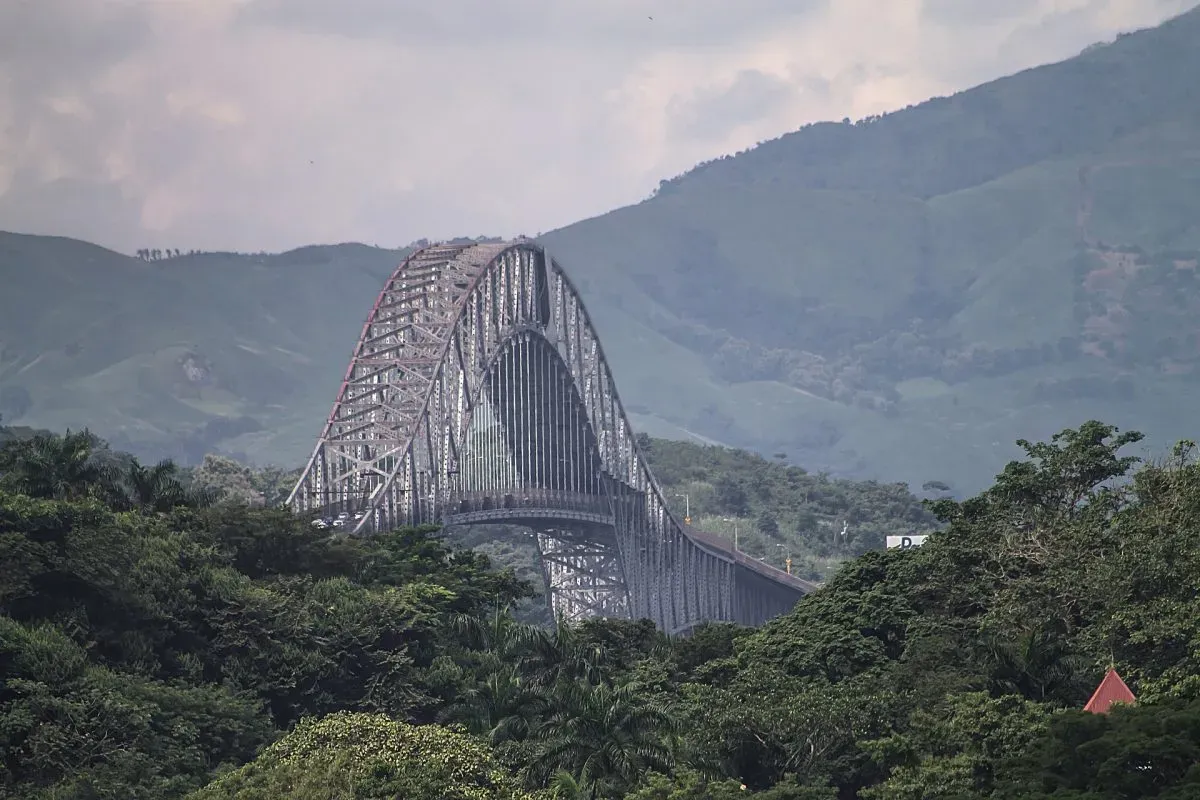
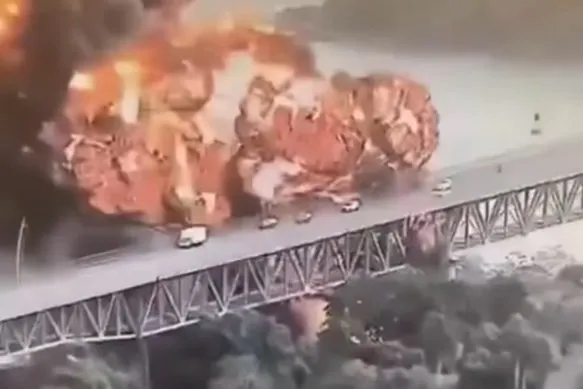
A major business association in Panama is calling for urgent action to create coordinated emergency protocols for strategic infrastructure. The demand follows a tanker truck explosion that forced the closure of the vital Panama Canal crossing last week. The incident paralyzed traffic and exposed a critical gap in national crisis management.
The Panamanian Association of Business Executives (APEDE) issued the warning in its weekly publication. The statement, signed by President Giulia De Sanctis, described the April 6th explosion under the Bridge of the Americas as a national wake-up call. The event in the La Boca area halted all traffic on the crucial artery, disrupting commerce and the daily lives of thousands in the capital city.
A Systemic Vulnerability Exposed
APEDE’s analysis argues Panama’s role as a global logistics and connection hub makes it uniquely vulnerable. The country depends on the uninterrupted operation of its strategic assets. When a node of this magnitude fails, the repercussions are immediate and far-reaching.
The association’s central critique focuses on a lack of clear rules. It found no established framework guides how public and private entities should collaborate during a crisis on essential infrastructure. While praising the effort of first responders, APEDE said the emergency response was hampered by this absence. The resulting operational delays and public uncertainty were preventable.
“The suspension of this critical route affected the mobility of thousands of Panameños, commercial activity, and the daily functioning of the capital,” the APEDE statement noted. [Translated from Spanish]
The business group now explicitly supports a government proposal to debate a Critical Infrastructures and Essential Services law. They view the proposed legislation as a necessary technical response to a demonstrated problem. It would establish precise guidelines for protecting fundamental sectors like energy, water, transport, and finance.
Proposed Law Offers a Framework for Resilience
The government’s proposed framework incorporates a comprehensive risk management approach. It accounts for physical, cyber, and operational threats in an increasingly digital environment. The suggested governance structure includes a Strategic Council, an Oversight Committee, and a National Cyberdefense Service.
These bodies are designed to foster an articulated response and prevent isolated actions during a crisis. The principles of prevention, coordination, and public-private cooperation form the law’s foundation. APEDE stresses these rules must translate into specific actions and assigned responsibilities established long before a disaster strikes.
“Panama, by its nature as a hub for connection, logistics, and services, depends on the uninterrupted operation of its strategic assets,” the APEDE analysis stated. [Translated from Spanish] “When a node of this magnitude is compromised, the repercussions transcend the local sphere and generate national and international impacts.” [Translated from Spanish]
For business leaders, the bridge explosion was more than a traffic incident. It was a stark lesson in critical infrastructure vulnerability. The call for protocols is a push to institutionalize resilience. The goal is ensuring a single point of failure cannot cripple key economic and social functions.
The Panamanian Association of Business Executives (APEDE) believes the legislative proposal offers a path forward. Its implementation would mark a significant step in modernizing Panama’s crisis preparedness. The association’s advocacy signals that the private sector sees this not as a cost, but as a vital investment in national stability.
Moving forward, the focus shifts to the legislative process. The government’s proposal must now navigate political debate. Observers expect the recent emergency to add considerable momentum to the discussion. The incident proved the need for coordinated action is not theoretical. It is a practical necessity for a nation whose economy lives and dies by the flow of goods and people.