



The Chamber of Commerce, Industries and Agriculture of Panama (CCIAP) has issued a new roadmap for national development. In his first institutional message, newly elected President Aurelio Barría Pino committed the business group to an active role in tackling the country’s most pressing challenges.
This call to action comes during a period of significant political transition. The chamber’s editorial, “La Cámara Opina,” acknowledges recent progress in areas like fiscal discipline and institutional strengthening. It argues, however, that deep structural issues can no longer be postponed.
“Panama is undergoing important changes, but there are structural challenges that cannot be left for later,” the chamber stated. [Translated from Spanish]
Barría Pino emphasized the need for coordinated decisions between the private sector and the state. He said the chamber’s 111-year history is defined by putting national interest above any particular position.
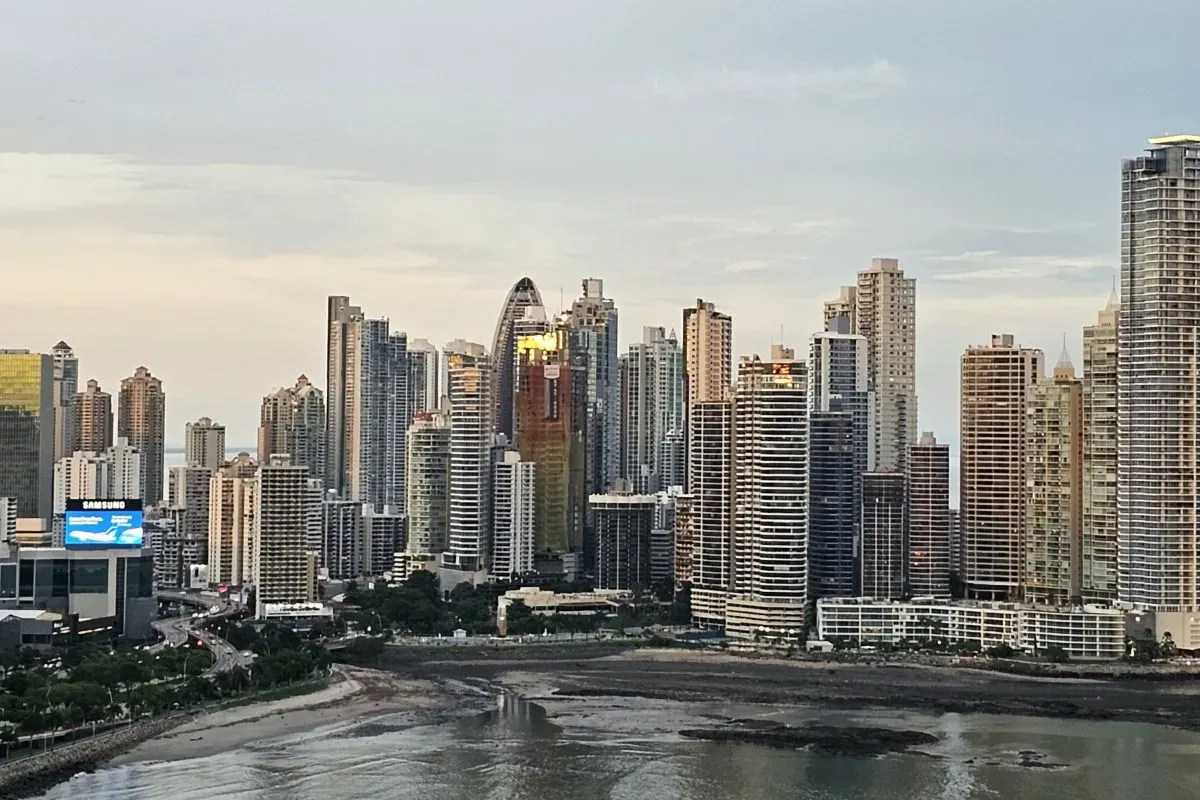
A Multifaceted Challenge for Panama’s Future
The chamber’s list of immediate priorities is extensive. Topping the agenda is the responsible reopening of mining activity under a legal framework that balances social, environmental, and economic benefits. Guaranteeing reliable access to water and improving educational quality are listed as equally critical foundations for growth.
Other key focuses include revitalizing the economy to generate formal employment and providing a strategic boost to the tourism sector. The chamber framed corruption as a pervasive obstacle undermining all other development efforts. It demands this issue be addressed with determination and effective accountability mechanisms.
For its part, the business group announced it will concentrate its immediate work on four concrete action points. These pillars are designed to translate broad priorities into tangible outcomes.
Four Pillars for Immediate Action
First, the CCIAP will push for the effective implementation of Panama’s Internship Law. The goal is to create real opportunities for the nation’s youth. Strengthening the entrepreneurial ecosystem forms the second pillar, recognizing small businesses as the backbone of the national economy.
The third axis involves promoting foreign investment and consolidating international trade connections. Finally, the chamber vows to elevate the value of services offered to its own members. It promises to actively listen to their concerns and support their business objectives.
“The private sector must comply with the law, generate dignified employment, and contribute actively to collective well-being,” the chamber’s editorial noted, defining development as ethical and sustainable growth. [Translated from Spanish]
This stance aligns with broader calls for integrity in Panamanian governance. The business community’s emphasis on transparency and rule of law echoes sentiments from the country’s new political leadership, including President aurelio barr.
A Call for Collaborative Governance
The chamber’s roadmap implicitly calls for a more robust public-private partnership model. It reiterated its willingness to work jointly with all three branches of the Panamanian state and every sector of society. This collaborative approach is presented not as an option but as a necessity for overcoming the listed hurdles.
Business leaders argue that sustainable progress requires a unified front. They see the private sector as a key partner in building a more resilient and equitable economy. The chamber’s outlined priorities now set a specific benchmark for that engagement.
Observers will watch how these proposals are received by the new administration. The coming months will test the potential for a coordinated agenda between Panama’s government and its leading business representatives. The chamber has clearly staked its position, offering both a critique and a plan for partnership.