


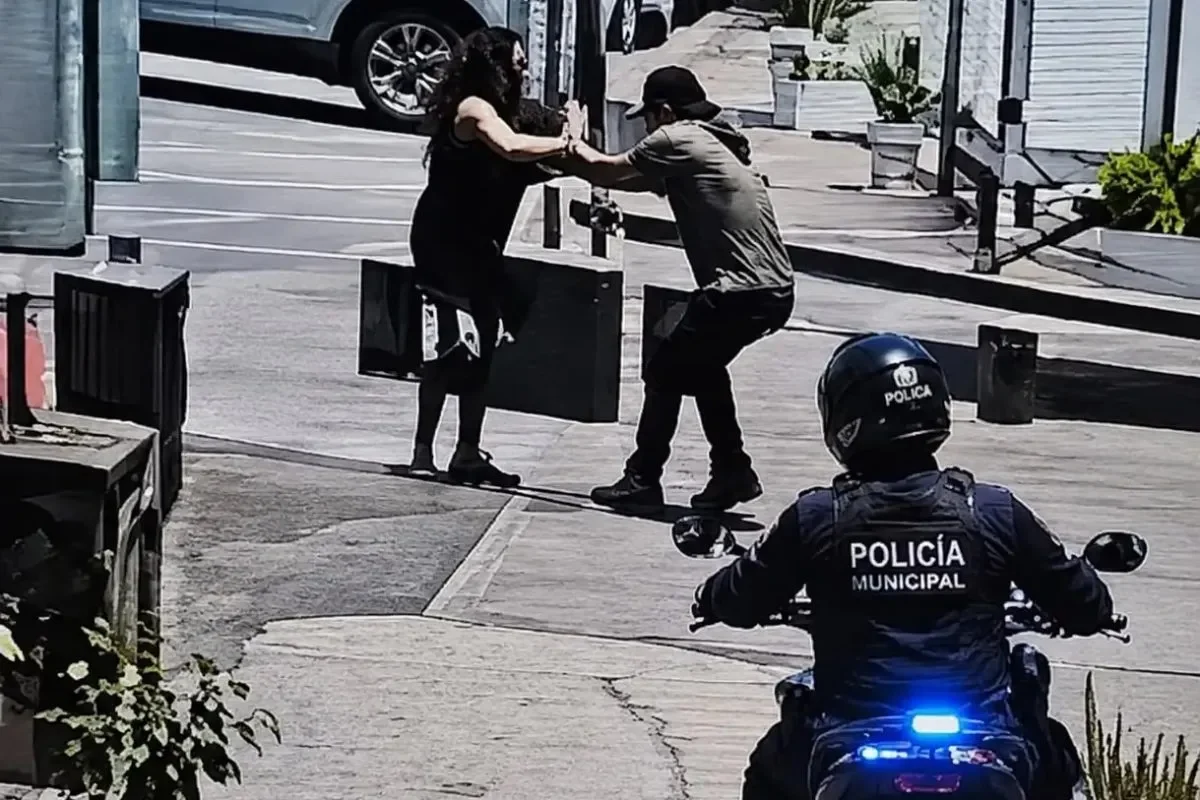
A woman walking through Panama City escaped a robbery and possible physical attack after municipal police received a live alert from the Panama video surveillance system. City authorities reported that the rapid coordination between camera operators and street units stopped the crime before it escalated. The suspect was detained and transferred to the relevant authorities, while the victim walked away shaken but unharmed.
Real-Time Camera Alert Stops an Attack
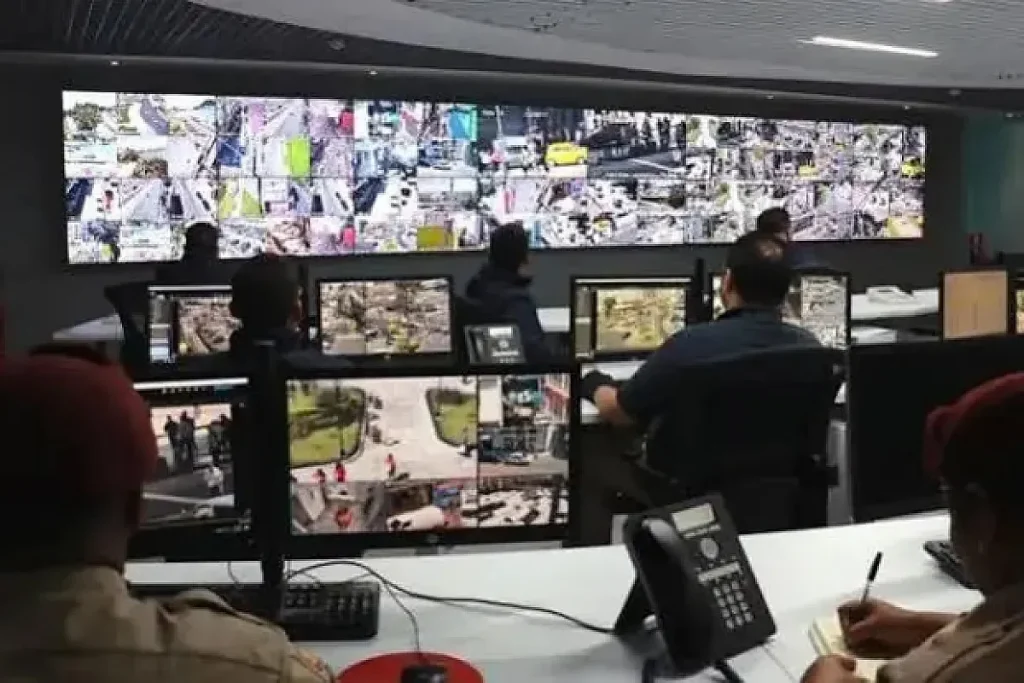
The incident began when operators at the city’s monitoring center noticed a man acting aggressively toward a woman on a public street. They immediately contacted a motorized municipal police officer and backup personnel who were working nearby. The officers reached the scene in time to block the attempted robbery and prevent any physical aggression. After a brief intervention, the individual was placed under arrest.
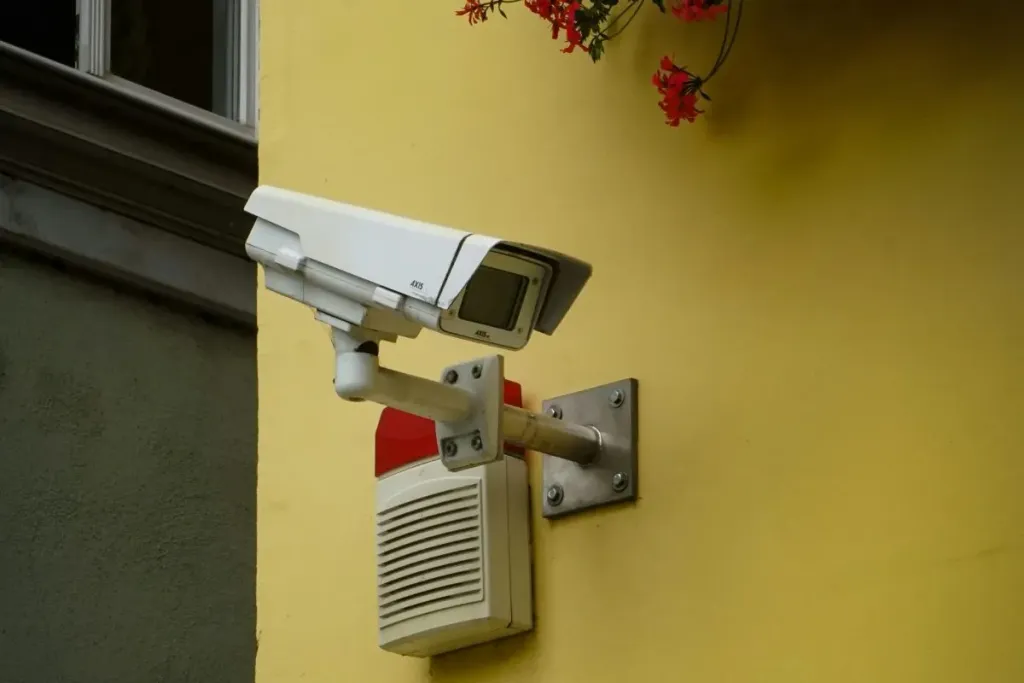
Officials described the operation as an example of professional coordination between camera operators and street units. The victim thanked the responding officers for their quick action, telling them she experienced only a serious fright. Police did not report any injuries. The case was then handed to the competent authorities for processing.
Panama Video Surveillance in Proactive Policing
The city’s monitoring network is no longer just a tool for reviewing crimes after they occur. It has become part of an active response model. Camera operators can track suspicious movements in real time and direct officers to exact locations. This approach shortens the gap between detection and intervention, especially in districts with heavy pedestrian traffic.
This deployment of Panama video surveillance technology reflects a shift in municipal law enforcement strategy. Patrol units and monitoring staff now work as a single coordinated force. When a camera identifies a possible threat, the information reaches the closest officer within seconds. The recent street assault attempt highlighted the value of that rapid connection.
Patrols Target Busy Transit Corridors
Municipal officers have also been conducting early morning patrols across plazas, parks, bus stops and pedestrian routes. The areas receiving attention include 5 de Mayo, Cruce de Calidonia, the Social Security Specialized Hospital and El Parador de Pedregal. These points see constant movement from workers and students throughout the day.
The visible presence of police in such corridors adds another layer of security. Camera alerts can summon officers quickly, but regular patrols also discourage potential offenders. This combination of fixed surveillance and roving units gives residents and commuters a stronger sense of protection, especially during morning rush hours.

Community Safety and a Growing Security Network
Street crime remains a concern in many Latin American cities, and Panama City is using technology to address it directly. The video network allows authorities to cover more ground than patrol officers could manage alone. Each real-time alert generates data that can also guide future deployment of police resources.
In many neighborhoods, residents have called for stronger responses to street crime. The municipal strategy pairs technology with daily patrol visibility to answer that concern. Officials note that each prevented incident also reduces pressure on the justice system by stopping crimes before they occur.
The woman in this case avoided harm because the system worked as intended. City officials say such outcomes build public trust in surveillance infrastructure. As the Panama video surveillance network continues to expand, municipal police expect more crimes to be disrupted at the earliest stage. The ultimate goal is a safer environment for everyone who lives, works or studies in Panama City.