


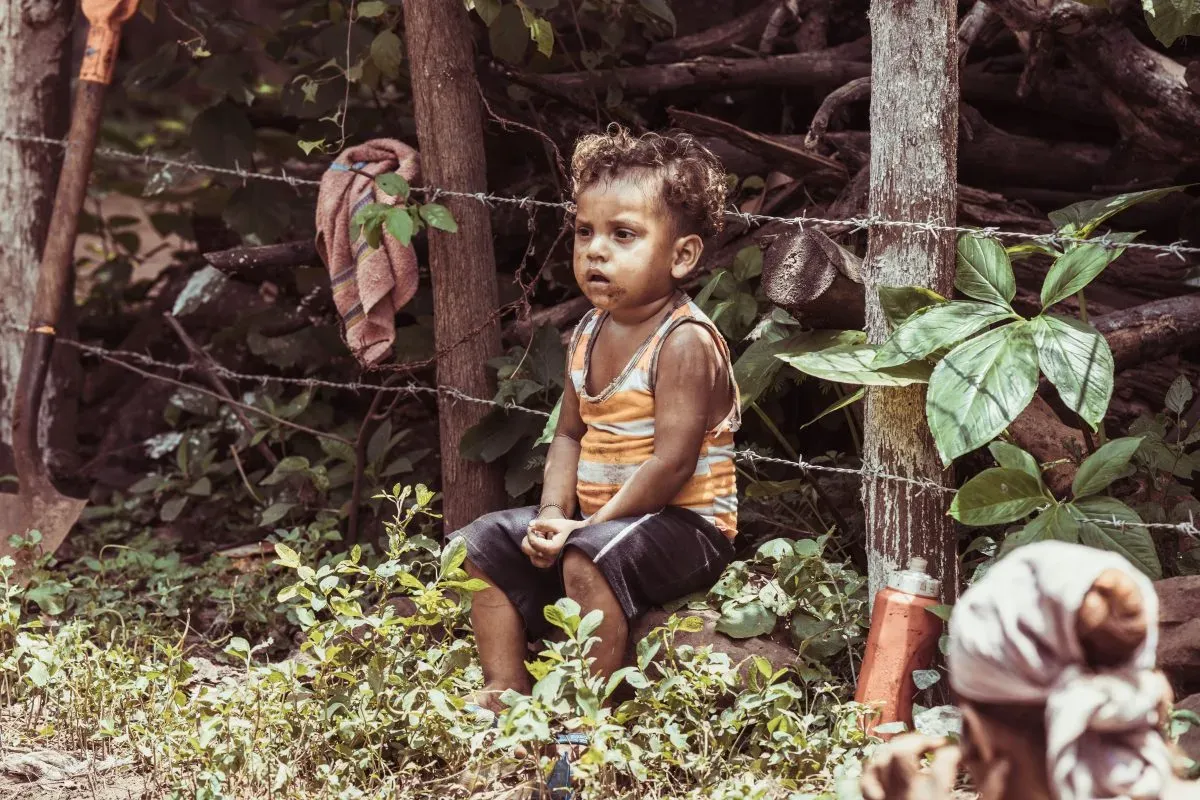
A little girl, just eight years old, clings to life in a Panama City hospital after a bullet meant for someone else tore through her small body. The shooting in Cerro Batea took the life of an adult man and left the child fighting for survival, adding another name to the heartbreaking list of UNICEF Panama Panama has mourned this year. Around 30 minors under the age of 18 have been killed across the country since January, according to figures handled by Public Prosecutor’s Office of Panama. Many were caught in the crossfire of gang disputes, armed attacks, and targeted killings that no longer respect any boundary.
A Sudden Spike in Child Victims Panama This Year
Prosecutor data reveals that approximately 30 children and adolescents have been murdered in 2024, with many more injured as collateral damage in neighborhoods gripped by criminal violence. The victims range from a 10-year-old girl who found herself in the path of a shooting intended for a man, to teenagers gunned down in their own communities. A disturbing concentration of these tragedies has been recorded in Colón province, where groups battling for territory stage attacks without regard for who might be standing nearby.
In early November, a 16-year-old boy was shot in the L-41 tower of the Altos de Los Lagos community in Colón. He spent roughly 12 hours in the intensive care unit of the Manuel Amador Guerrero Hospital before succumbing to his wounds. Despite medical efforts, he became another entry on the grim register of young lives cut short by stray bullets and deliberate violence.
Collateral Damage Rises as Gunmen Disregard Innocent Lives
The ambush in Cerro Batea crystallizes the new brutality. Gunmen opened fire on their intended target, killing him, but also struck the 8-year-old girl who remains hospitalized. Such scenes have become disturbingly normal in areas where gangs settle scores with complete disregard for bystanders. Residents say the old unwritten code that kept children and women out of the line of fire has evaporated, replaced by a chilling indifference to who gets hit.
“The new generations have lost some of that sense of humanity and commit murder-for-hire regardless of who is with the person. That’s what we are seeing in the latest incidents, where they kill people who have scores to settle between them, but unfortunately end up affecting innocent victims,” said José Ortega, a criminology professor at the University of Las Américas (Udelas). [Translated from Spanish]
Ortega’s words underscore a terrifying shift. The calculated violence of sicariato, the contract killings that fuel gang economies, now strikes without warning, and children who happen to be in a car, on a playground, or simply walking home pay the ultimate price.
Colón Emerges as a Flashpoint for Child Casualties
Authorities note that the lion’s share of fatal episodes involving minors has been concentrated in Colón province. The port city and its sprawling outskirts have long struggled with gang activity linked to drug trafficking routes and territorial feuds. But the recent wave of attacks marks a new brazenness. One case involved a 10-year-old girl who was killed after getting caught in crossfire meant for an adult male. Her death, along with the other child victims Panama has recorded, ignited calls for more aggressive security measures and permanent police presence.
Law enforcement officials have conducted operations to locate and identify the gunmen responsible. In several cases, suspects have been identified, though many investigations remain open with no one in custody. Community leaders argue that reactive patrols are not enough. “The violence has to stop. There is no longer respect for the lives of those who walk near or stay close to the targets,” one resident said, echoing a sentiment widely shared in hard-hit barrios where fear now dictates daily rhythms.
A Generation Desensitized to Violence, Experts Warn
The rising number of child victims Panama sees each week points to a deeper societal erosion. Criminologists observe that younger gang recruits display a disturbing detachment from the value of human life. The normalization of extreme violence, fueled by social media and the lucrative drug trade, has blurred the lines between combatants and civilians. As Professor Ortega indicated, the willingness to kill indiscriminately produces catastrophic consequences that ripple through entire families.
Child protection advocates are urging the government to fund early intervention programs that prevent youth from joining gangs in the first place. Without a comprehensive strategy that tackles poverty, education gaps, and the lure of illicit incomes, the cycle will continue. Every bullet that misses its intended target can strike a toddler on a balcony or a schoolchild running an errand, turning a neighborhood dispute into a lifelong scar.

Fragile Justice and the Road Ahead
While prosecutors have made some headway in individual cases, the broader pattern of impunity feeds the violence. The 30 child victims Panama has lost in 2024 are not just statistics; they represent a failure to protect the most vulnerable. The 8-year-old girl fighting for her life, the 16-year-old boy who died after a 12-hour struggle, and the 10-year-old whose name was added to the list are all stark reminders that the line between perpetrator and victim is often crossed by a single stray bullet.
Residents demand swifter justice and a restoration of the respect for life that once, at least partially, kept children out of the fire. Unless the country fundamentally rethinks how it secures communities and supports at-risk families, more innocent names will be carved into the tragic count. The growing list of child victims Panama is mourning this year stands as a clarion call, a painful measure of the human cost that impunity and gang warfare exact on a nation’s future, Crime in Panama.