


Technicians and specialists recovered a Hydrophone installed six months ago at the Iguana Island Wildlife Refuge in Los Santos province. The recovery is part of ongoing marine monitoring and research efforts under the Sustainable Pacific project.
The Ministry of Environment (Panama) confirmed the device collected vital data on the underwater soundscape. This area is one of the country’s primary whale watching zones. A new device has already been deployed to continue monitoring through the next migratory season, which runs from June to October.
Acoustic Data Reveals Whale Behavior and Habitat Use
The information gathered will allow scientists to analyze the presence and seasonality of whales. Researchers can study acoustic patterns, habitat use, and the presence of other marine species. The data also helps establish a baseline for ambient noise levels in the region.
Officials from the Ministry of Environment stated these actions are carried out jointly with the organization Panacetacea. Strategic partners include the MarViva Foundation, the United Nations Development Programme, and the World Wildlife Fund. The Global Environment Facility provides the financing for this initiative.
Digna Barsallo, national director of Coasts and Seas for the Ministry of Environment, emphasized that this acoustic monitoring represents an essential scientific tool. “Listening to the ocean allows us to identify threats and move toward more effective management of our marine ecosystems,” she said. [Translated from Spanish]
New Device Tracks Humpback Whale Migration Patterns
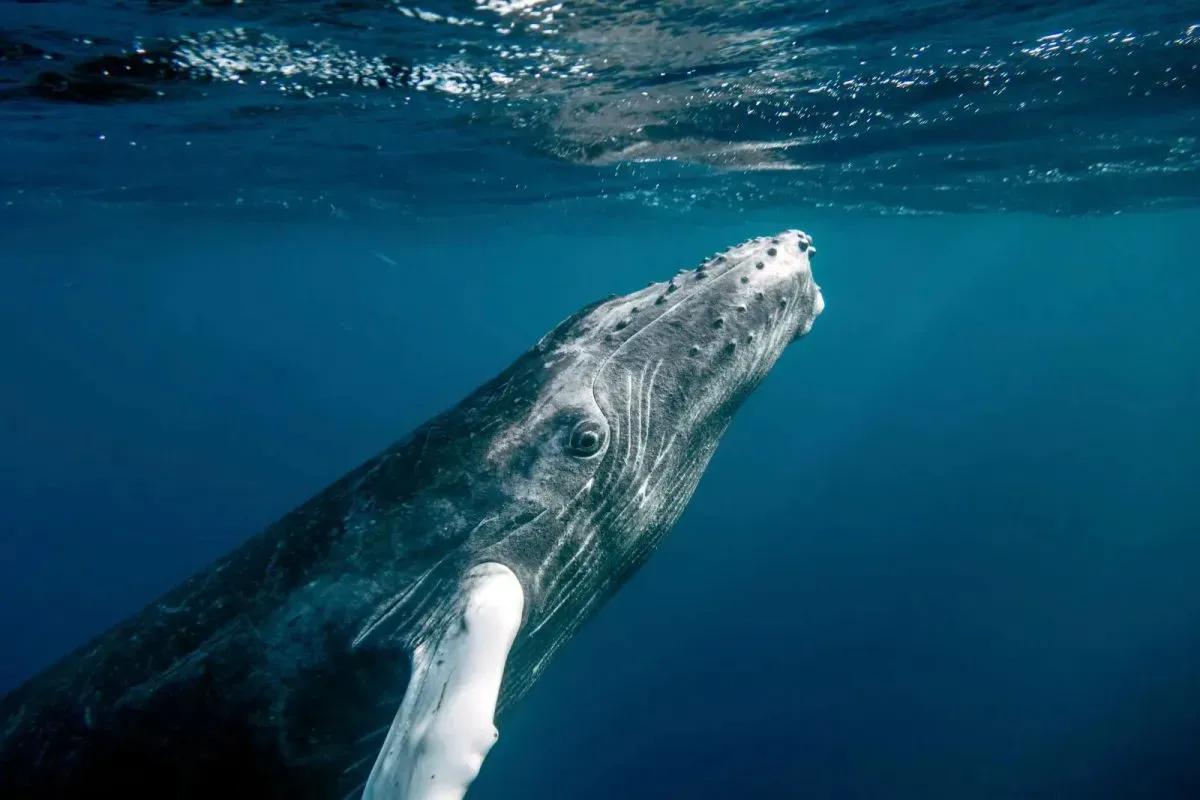
The recovered hydrophone captured six months of continuous underwater audio. This data is critical for understanding the Humpback whale populations that visit Panama’s Pacific coast each year. These whales travel thousands of kilometers from colder feeding grounds to breed and give birth in warm tropical waters.
Panama’s waters serve as a crucial corridor for these marine mammals. The Iguana Island Wildlife Refuge sits directly in their migratory path. Scientists can now match acoustic signatures with visual sightings to track individual whales over time.
The new device will remain in place through the end of the 2026 migration season. It replaces the older unit that reached its data storage capacity. Both units use similar technology to capture low-frequency whale songs and calls.
Environmental authorities plan to expand this monitoring network to other coastal areas. The goal is to create a comprehensive acoustic map of whale activity across Panama’s entire Pacific coastline. This information will inform shipping lane adjustments and tourism regulations.
The Ministry of Environment stressed that protecting these animals requires constant vigilance. Noise pollution from boats and industrial activity can disrupt whale communication and breeding success. The hydrophone data helps managers make evidence-based decisions about marine protected areas.
Local communities in Los Santos benefit directly from whale watching tourism. The annual migration brings visitors from around the world to see these gentle giants breach and play in the waves. Better data means better protection for both the whales and the local economy that depends on them.
Researchers will publish preliminary findings from the first six months of data later this year. Full analysis of the acoustic recordings could take several more months. The long-term monitoring project is expected to continue for at least five years.