


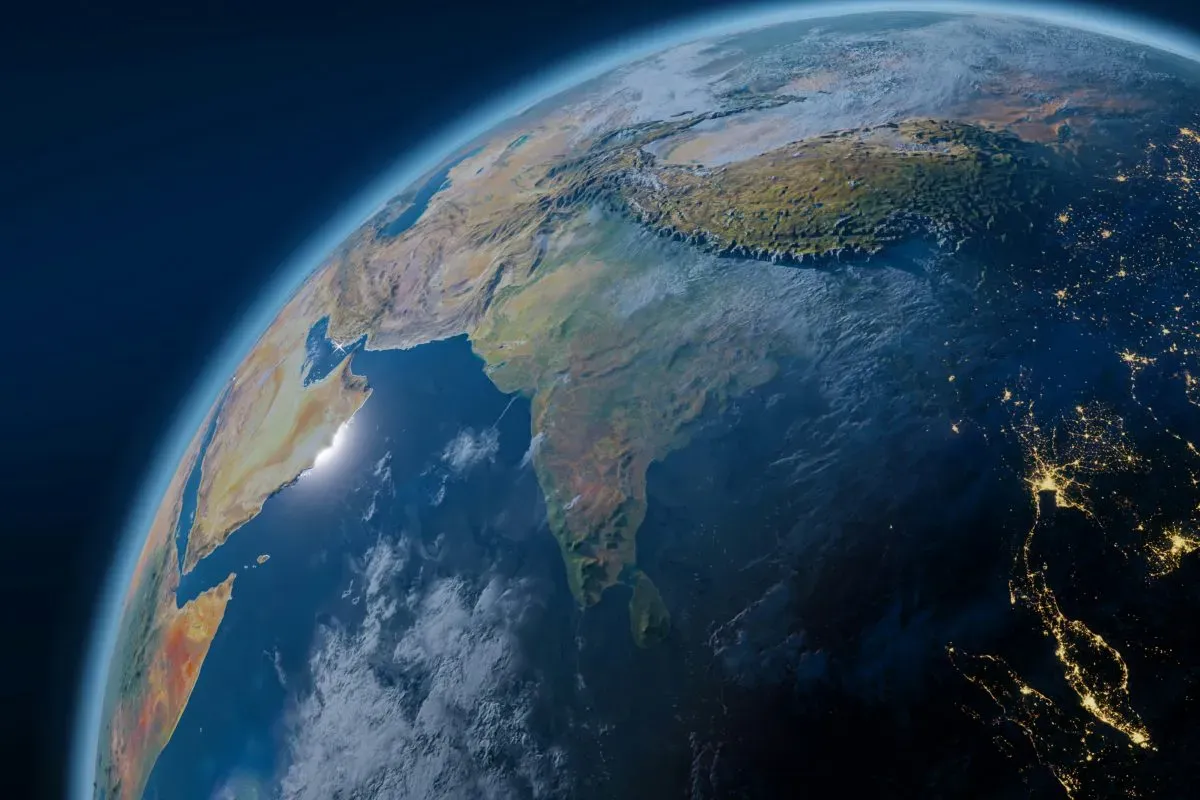
Global temperatures continue to climb, with 2024 confirmed as the warmest year on record, followed by 2025. This stark reality underscores the critical message of Earth Day 2026, observed on April 22, as scientists and international bodies call for accelerated action against climate change.
The World Meteorological Organization (WMO) states the planet’s climate is increasingly “unbalanced.” Its forecasts indicate a 70 percent likelihood that temperatures will temporarily exceed the critical 1.5-degree Celsius threshold above pre-industrial levels in some periods. This threshold represents the recommended limit set by the international Paris Agreement to prevent the most catastrophic effects of global warming.
“The climate is becoming increasingly unbalanced,” the WMO confirmed in its latest assessment. [Translated from Spanish]
Each fractional increase in global temperature intensifies weather extremes. The consequences are already visible through prolonged droughts, severe flooding, accelerated glacial melt, and biodiversity loss. These events displace millions, creating a growing population of climate migrants.
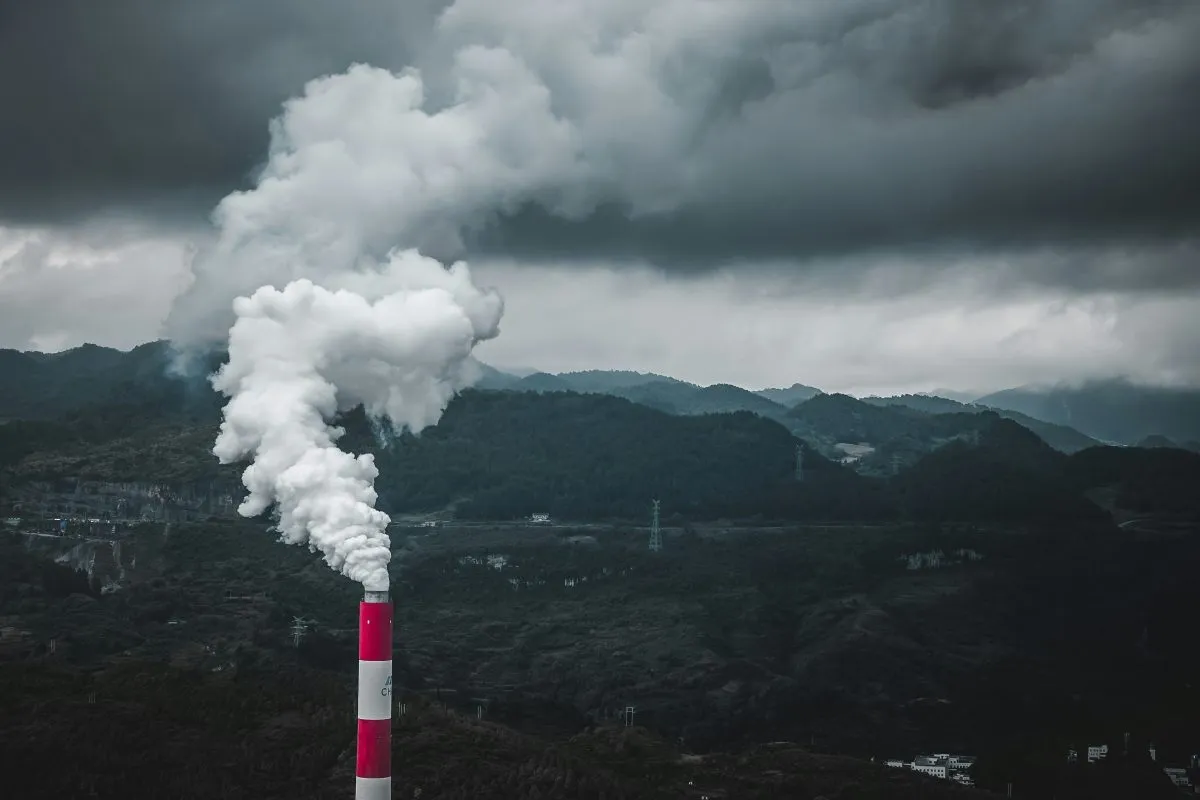
Global Emissions Trend Remains Off Course
While the European Union reports progress, cutting its greenhouse gases by 40 percent since 1990, global carbon dioxide emissions moved in the opposite direction. The Global Carbon Budget 2025 report shows worldwide CO2 emissions rose by 1.1 percent from 2024 levels. Ongoing geopolitical conflicts have exacerbated reliance on fossil fuels, further complicating the transition to cleaner energy.
Simon Stiell, Executive Secretary of the UN Framework Convention on Climate Change, delivered a sobering message at the Petersberg Climate Dialogue in Germany this week. He described the current era as “dangerous times” marked by volatile fossil fuel prices.
“Climate cooperation is the key to addressing both global warming and the chaos of energy costs,” Stiell stated. He argued clean energy offers security, affordability, and sovereignty to nations. [Translated from Spanish]
The European Environment Agency attributes EU reductions to expanded renewable energy, improved efficiency, and structural economic shifts. This regional progress, however, is overshadowed by the broader international increase.
Climate Crisis Inflicts Deep Human and Economic Costs
New analyses reveal the profound and personal toll of a warming planet. A UNICEF report published this week found climate disruptions have interrupted learning for 130 million children across eastern and southern Africa. Damage to educational infrastructure has cost an estimated $1.3 billion.
Etleva Kadilli, UNICEF’s regional director for the area, emphasized the injustice of the situation. She said the report quantifies the immense scale of climate-related loss and damage in education for children who are paying for a crisis they did not create. The educational disruptions in frica oriental and other regions highlight a systemic vulnerability.
Separately, the International Union Against Cancer warned that air pollution significantly increases risks for several cancer types. The World Weather Attribution initiative’s latest annual review offered a grim summary, calling the outlook for Earth “devastating” after analyzing 22 extreme weather events from 2025.
Renowned British economist Nicholas Stern recently echoed the urgency for a faster energy transition. Speaking in Madrid, Stern pointed to current global conflicts as evidence of the dangers posed by fossil fuel dependence for both economies and security.
“The next two decades will be absolutely decisive for the world’s course on climate and biodiversity,” Stern asserted following a meeting with Spanish officials. [Translated from Spanish]
His comments align with growing calls to treat the climate crisis as an immediate economic and security imperative, not just a future environmental concern. The push for policy action continues globally, mirroring local civic engagement seen in events this week across communities.
Earth Day 2026 serves as a global checkpoint. The scientific data presents a clear and escalating trend. International cooperation and drastically accelerated policy implementation are now framed not merely as ecological goals but as foundational requirements for global stability and human health in the coming century.