


The Government of Panama confirmed the release of three Panamanian women detained in Cuba. The announcement came Friday through an official statement. This marks a significant diplomatic breakthrough in a case that has drawn international attention.
Evelyn Castro, Cinthia del Carmen Camarena and Abigail Shefany Gudiño now have authorization to leave Cuban territory. The decision came after a ruling by Cuban authorities. Officials described the move as a gesture of humanity and friendship toward Panama. [Translated from Spanish]
The released individuals provided cooperation during the legal process. Authorities cited their status as effective collaborators under the Cuban legal system. The criteria of opportunity mechanism also played a role in the decision.
Diplomatic Efforts Behind the Release
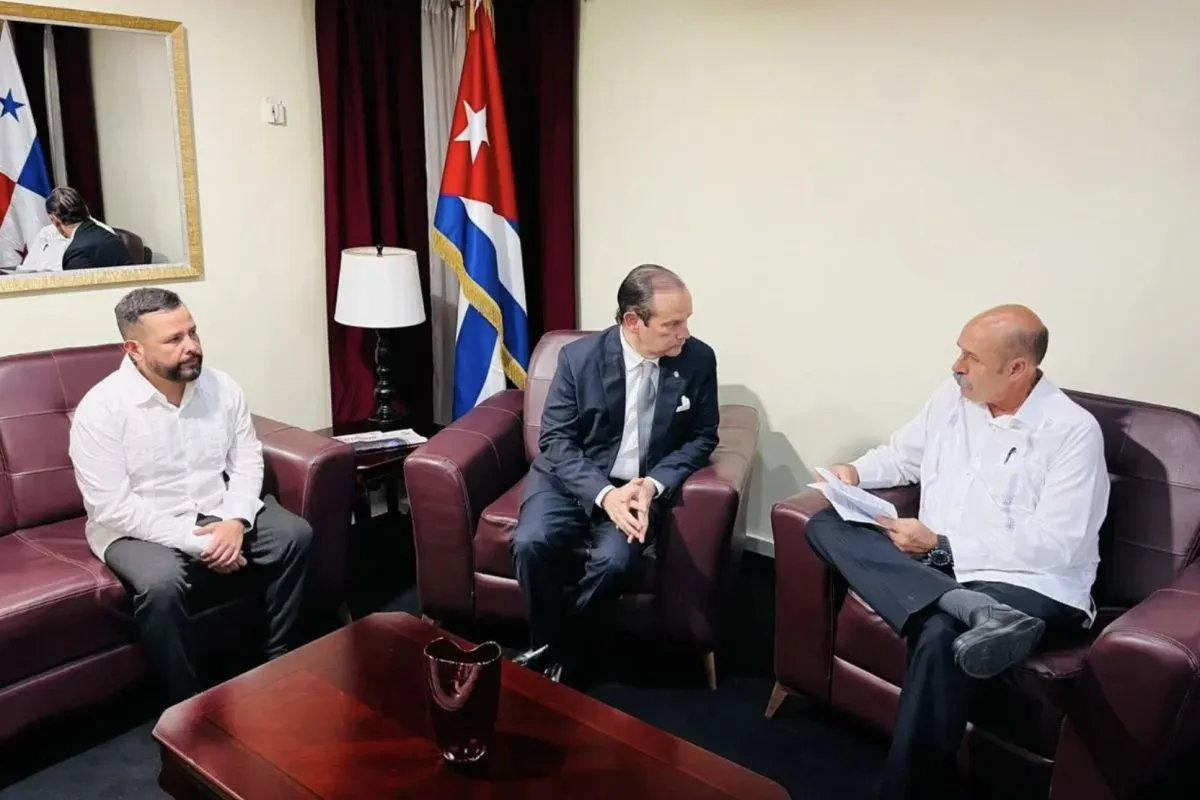
Foreign Minister Javier Martínez-Acha traveled to Havana on March 25. He met directly with all ten detained Panamanians during that visit. The minister confirmed they received humanitarian treatment from Cuban authorities. [Translated from Spanish]
The Panamanian government expressed gratitude to Cuban President Miguel Díaz-Canel. They also thanked Foreign Minister Bruno Rodríguez Parrilla and other officials involved. The official statement emphasized that understanding the exceptional circumstances surrounding the detentions proved crucial.
President José Raúl Mulino instructed the Ministry of Foreign Affairs (Panama) to activate all diplomatic and consular efforts from the start. The goal was to guarantee legal defense and protection for Panamanians detained on the island. [Translated from Spanish]
Panama’s ambassador to Cuba, Edwin Pitty, maintained continuous accompaniment for the detainees. He ensured their rights were protected and provided consular assistance throughout the process.
Background of the Detentions
Cuban authorities detained ten Panamanian citizens in Havana on February 28, 2026. The charges involved propaganda against the constitutional order. Officials alleged the group created critical graffiti against the government. They faced potential sentences of up to eight years in prison.
The detainees were held at Villa Marista, a detention center for crimes against national security. Ambassador Pitty made his first visit to the group on March 4. He delivered personal hygiene products and medications during that meeting.
Foreign Minister Martínez-Acha held meetings with Cuban Foreign Minister Bruno Rodríguez and President Díaz-Canel during his March visit. The conversations maintained a respectful tone. Both sides focused on finding a solution combining humanitarian considerations with respect for Cuban law.
Next Steps for Remaining Detainees
Seven Panamanian citizens remain in Cuba. The government pledged to continue diplomatic efforts for their cases. Officials said they will pursue prompt resolutions through ongoing channels.
The canciller javier mart has maintained consistent engagement on this matter since the detentions began. The case has tested bilateral relations between the two nations but appears to be moving toward resolution through sustained dialogue.