


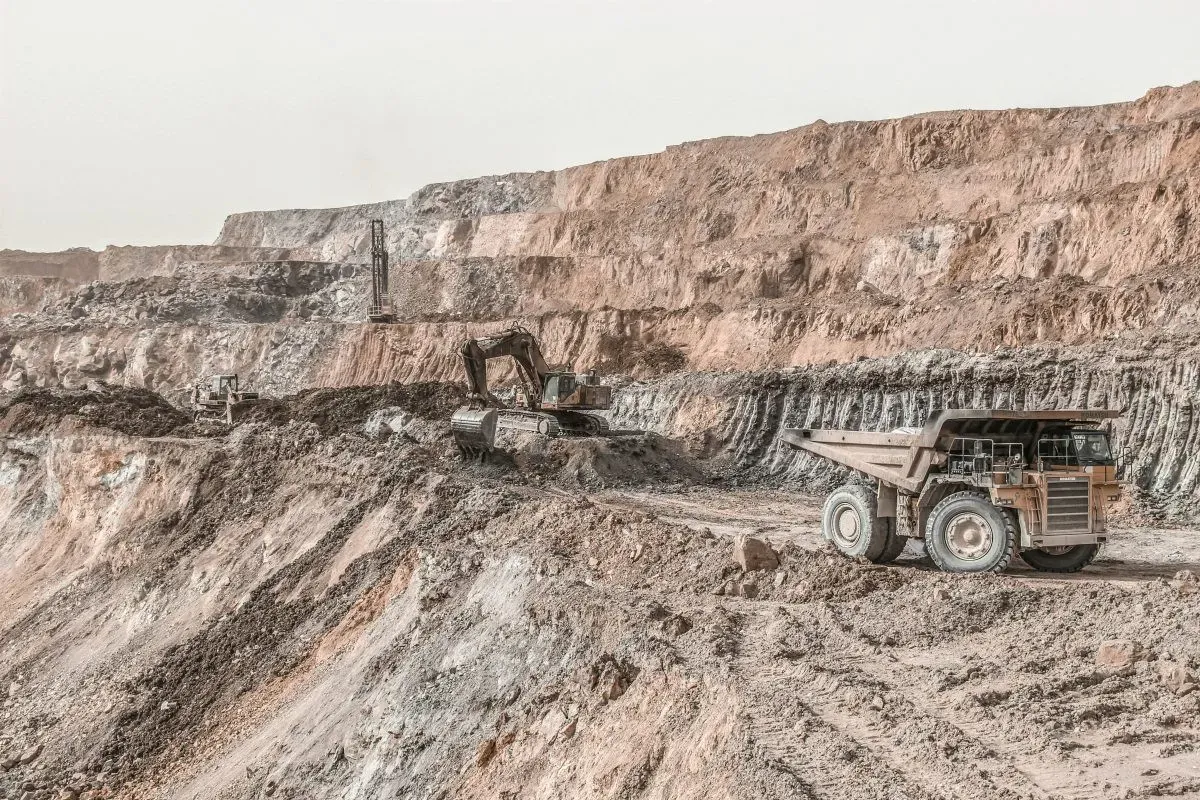
Canadian mining company First Quantum Minerals says it would need between $300 million and $500 million to process the massive stockpile of mineral reserves sitting at its idled Cobre Panama mine. The company’s executives outlined the cost estimate during a recent quarterly earnings call, framing the potential limited operation as an environmental and asset preservation measure, not a full mine restart. The proposal remains entirely contingent on receiving formal authorization from the Panamanian government, which has not yet been granted.
This financial projection covers what the company calls a “limited activation” of the processing plant to treat approximately 38 million tons of material extracted before operations were suspended. The funds would be allocated to restarting supply chains, rehiring personnel, refurbishing auxiliary plant systems, and providing working capital. Major assets like large-scale mills remain under a preservation program initiated after the mine’s closure.
The company’s leadership emphasized that their focus is on responsible stewardship of the site while the nation awaits the results of a comprehensive environmental audit. “The eventual processing of the reserves responds to environmental and operational objectives,” said Tristan Pascall, CEO of First Quantum Minerals. He cited goals like reducing risks associated with long-term material storage and improving water management.
Any movement toward processing would follow a three-month startup period, with the entire treatment of the stockpile expected to take about one year. The Panamanian government holds the final decision, with the ongoing environmental audit serving as a critical milestone. That audit is currently reported to be 61 percent complete.
Legal Limbo and Environmental Stakes Define Mine’s Status
The Cobre Panama mine, a 13,000-hectare complex in the Donoso district of Colon province, has been in a state of care and maintenance since November 2023. That month, the Supreme Court of Justice of Panama issued a unanimous ruling declaring the 1997 contract that governed the mine unconstitutional. The decision nullified the concession framework, forcing an immediate halt to all extraction activities.
Since the court-ordered shutdown, First Quantum Minerals has maintained the site under a detailed preservation plan. The company states it spends between $15 million and $20 million monthly on this effort, which aims to ensure infrastructure stability and environmental compliance. Processing the stored ore, the company argues, would generate funds to help offset these substantial carrying costs.
From the stockpile, First Quantum estimates it could recover roughly 70,000 tons of copper. Revenue from its sale would be directed back into site maintenance, environmental management, and the preservation program. The company’s stated goal is to achieve a near cash-flow neutral position during this processing phase, easing the financial burden of simply holding the asset idle.
Ryan MacWilliam, the company’s Chief Financial Officer, provided further detail on the economics. He explained that processing would involve operating costs between $12 and $12.50 per ton of ground mineral. The initial cash investment would be around $250 million, a figure contained within the broader $300 to $500 million range announced earlier.
Company Insists Proposal is Not a Mine Restart
First Quantum executives have repeatedly drawn a sharp distinction between processing existing stockpiles and resuming full-scale mining operations. They characterize the plan as a specific dispensation to address a legacy issue, not a return to normal business. The activity would not involve any new extraction of ore from the ground, a point the company stresses in all its communications.
Central to their argument is the mitigation of environmental risk. Company officials point to concerns like acid rock drainage, a potential issue when certain excavated rocks are exposed to air and water for prolonged periods. Processing the material, they contend, would allow for better management of these risks. They also note that sands produced during processing could be used to reinforce the site’s tailings storage facility.
The processing of reserves in Cobre Panama does not represent the reopening of the mine and responds mainly to environmental objectives and site preservation. [Translated from Spanish]
This statement from CEO Tristan Pascall was made directly to financial analysts questioning the company’s strategy. He confirmed that the completion of the government’s environmental audit is a central milestone that will shape the timeline for any potential agreement with Panamanian authorities.
Despite these assurances, the proposal has failed to quell significant opposition. Environmental groups and civil society representatives remain deeply skeptical. They warn that any reactivation of industrial activity at the sensitive site carries unresolved risks of contamination and ecological damage.
Environmental Opposition and Audit Await Resolution
Critics of the mine, and of this new proposal, argue that the region’s high ecological fragility cannot support such projects. The mountainous terrain in Donoso feeds critical watersheds. Activists consistently warn of potential impacts on rivers, streams, aquifers, and groundwater, citing severe and persistent environmental damage from mining projects in Panama and elsewhere.
For these groups, the distinction between “processing” and “mining” is a semantic one. They see any move toward industrial activity as a step backward, potentially undermining the historic Supreme Court ruling that sided with environmental protection. The national debate continues to be polarized, with strong voices advocating for a permanent transition away from large-scale metal extraction.
The government’s position is currently defined by due process. The comprehensive environmental audit of the Cobre Panama project is the primary tool for assessing the site’s legacy impacts and future risks. Its findings, expected later this year, will inform any official decision regarding the stockpile or the mine’s ultimate fate.
This audit represents a key demand from civil society groups who have long called for an independent assessment of the mine’s environmental and social footprint. Its progress is being closely monitored by all stakeholders, from international investors to local community organizations.
Financial markets are also watching closely. During the earnings call, analyst Orest Wowkodaw of Scotiabank asked about the status of talks with Panama and whether the audit was the main factor defining the timeline. Pascall’s response affirmed its centrality, indicating that the company’s next steps are on hold until the audit is finalized and reviewed by the government.
The situation leaves the massive First Quantum investment in a state of expensive limbo. The company must balance significant ongoing costs against an uncertain political and regulatory future. The path forward requires navigating complex legal precedents set by the Corte Suprema, addressing legitimate environmental concerns, and finding a solution that the Panamanian public and its government can accept.
For now, the 38 million tons of mineralized rock sit stored at the site. They symbolize a frozen conflict between international economic interests, national sovereignty, and environmental preservation. The decision on whether to process them will be one of the first major tests of Panama’s post-ruling mining policy and its commitment to a new model of natural resource management.