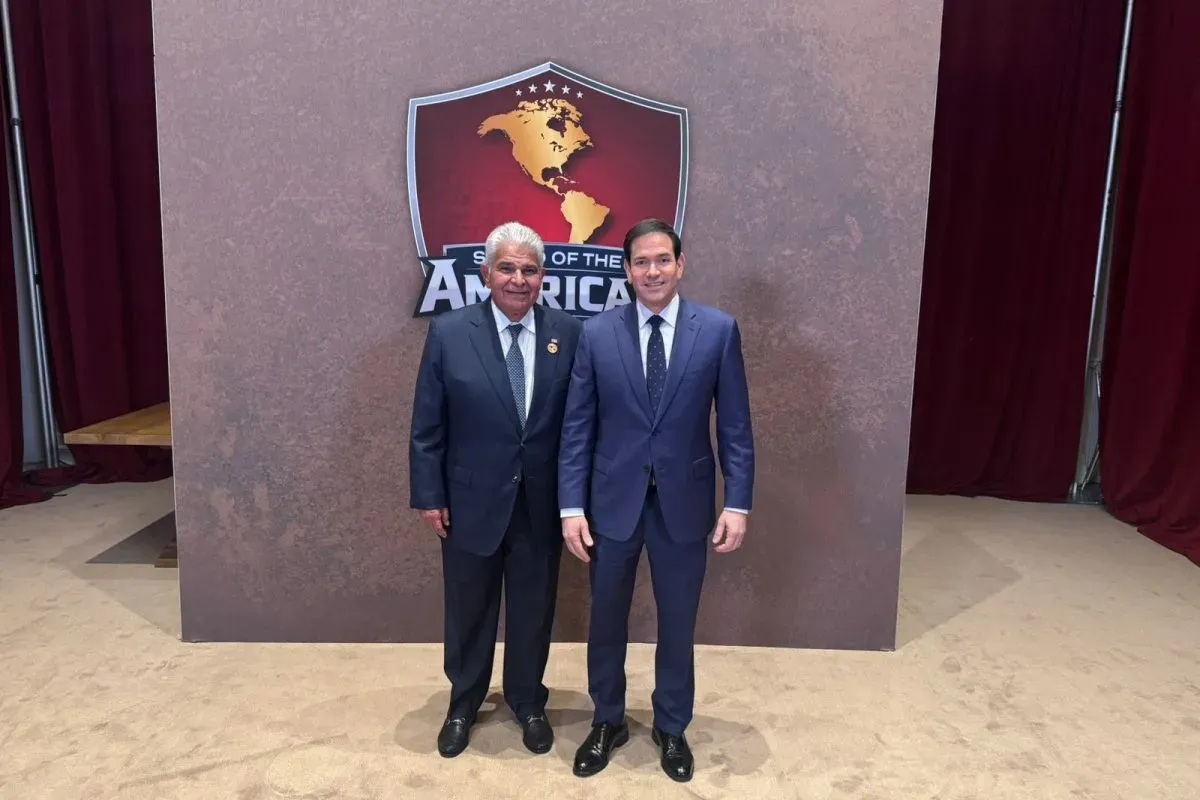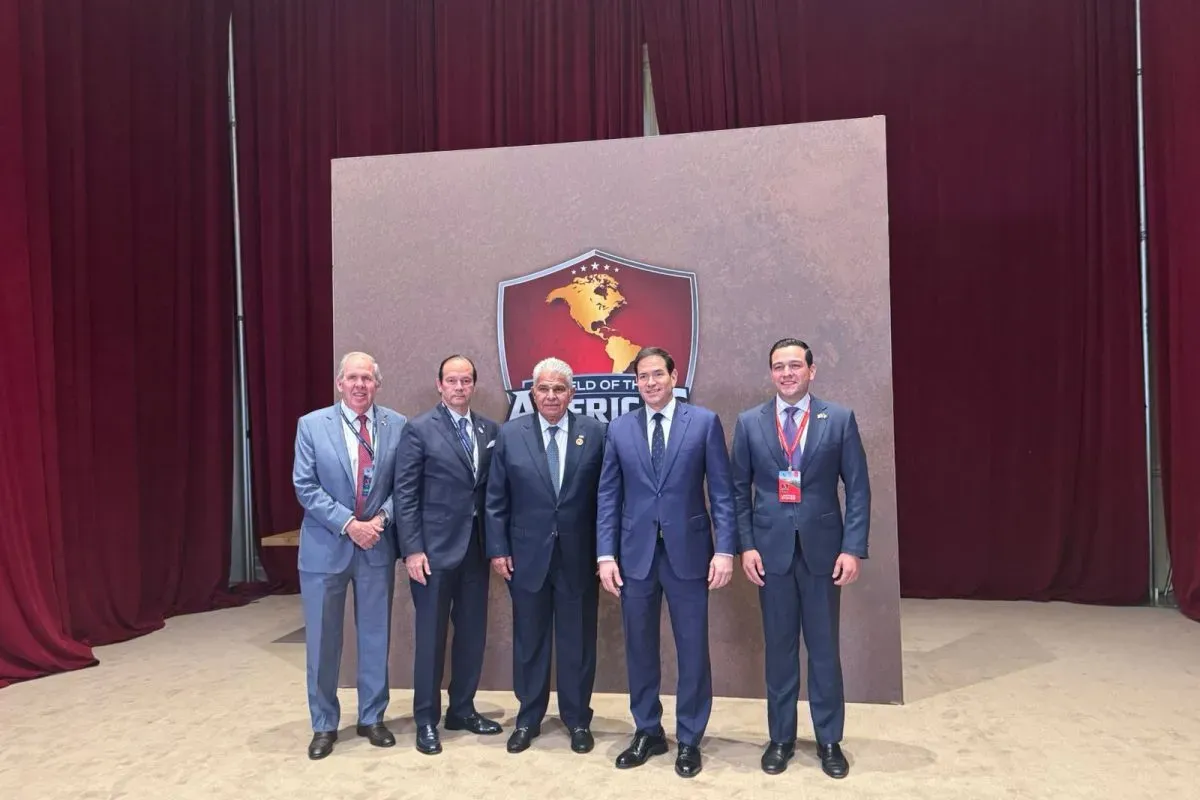
Panamanian President Jose Raul Mulino attended the final summit of heads of state in Miami on Saturday, culminating in the signing of a new regional alliance. The “Americas Shield” agreement, a United States-led initiative, was formalized during a meeting convened by former President Donald Trump. Organizers claim the pact aims to bolster economic and security cooperation across the Western Hemisphere.
The signing ceremony was led by U.S. Secretary of State Marco Rubio and Trump’s specially appointed program coordinator, Governor Kristi Noem. Alongside Panama, the multilateral agreement is backed by Argentina, Paraguay, Bolivia, El Salvador, Ecuador, Honduras, the Dominican Republic, Guyana, Costa Rica, Trinidad and Tobago, and Chile. Specific policy details and binding commitments were not immediately released in full.
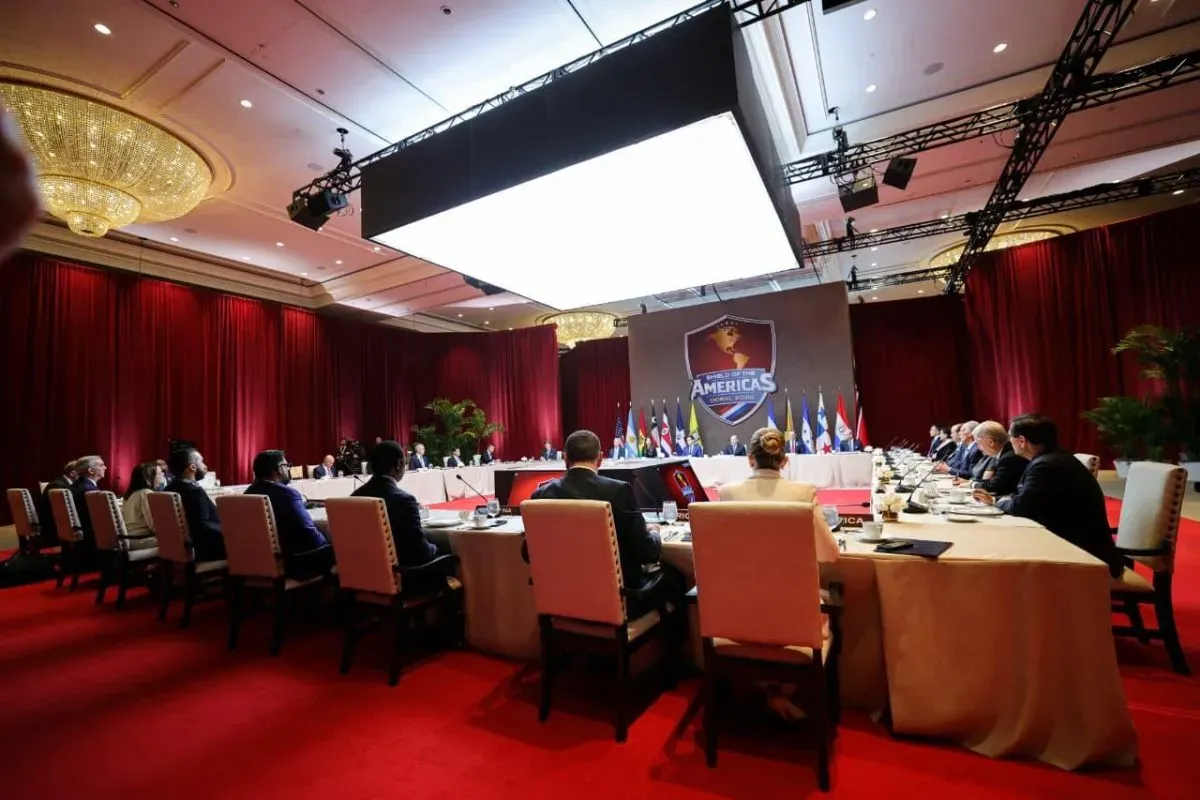
Economic Prosperity Pledged for Member Nations
In her remarks, coordinator Kristi Noem framed the alliance as a foundation for future growth. She argued the accord would unlock new business and investment opportunities across the continent, including within the technology sector. The primary stated goals involve preserving democratic principles and regional security.
This initiative will generate economic prosperity for the participating countries. [Translated from Spanish]
Noem further elaborated on the agreement’s intended scope. She stated its foundation is the unequivocal preservation of freedom, democracy, and security in the Americas. This framework, she suggested, is a prerequisite for stable economic development. The announcement positions the multilateral agreement as a counterweight to other regional influences, though officials did not name specific nations.
For Panama, participation aligns the nation’s foreign policy closely with the current U.S. administration’s regional vision. President Mulino’s presence at the high-profile signing signals a strategic diplomatic alignment. It marks a clear direction for his government’s international engagements since taking office.
The immediate next steps involve technical committees from the fourteen signatory countries beginning to translate the agreement’s principles into actionable programs. The structure for funding, joint exercises, or economic projects remains undefined. Observers will be watching to see how this new bloc interacts with existing regional bodies and treaties. Panama’s involvement in such pacts is not new, as seen in its participation in other forums like the multilateral agreement process at the United Nations Human Rights Council.