


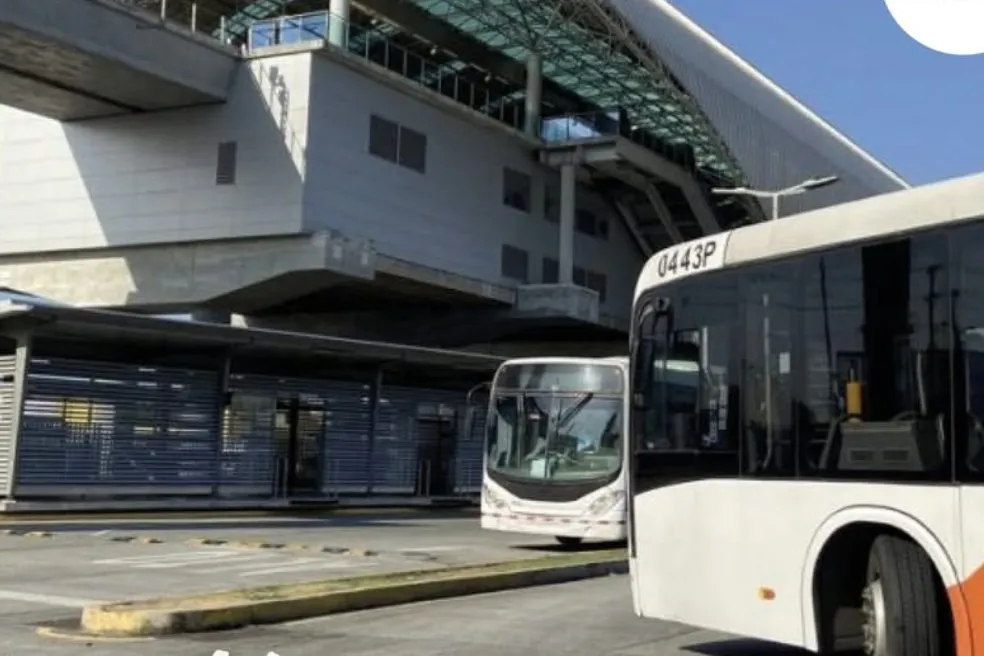
Panama Metro General Manager Carlos Sánchez Fábrega announced on Friday that public transit fares will remain unchanged. This decision comes despite a recent and sharp increase in national fuel prices, providing immediate relief to thousands of daily commuters in the capital region.
The announcement directly counters widespread public concern over potential fare hikes. Officials confirmed that both the Panama Metro train system and the complementary MiBus network will absorb the increased operational costs. Maintaining current prices is a strategic move to shield the population from additional economic pressure during a period of inflation.
Carlos Sánchez Fábrega made the official statement during a press briefing. He emphasized the institution’s commitment to accessible urban mobility as a core public service for Panama City and its surrounding areas.
“The Panama Metro, in coordination with MiBus, has decided not to transfer the recent increase in fuel costs to our users,” said Sánchez Fábrega. [Translated from Spanish] “We understand the economic moment the country is experiencing, and our priority is to maintain an efficient and affordable service for all citizens.”
The immediate impact of this decision is significant financial protection for riders. Commuters who depend on the integrated system for daily travel to work, school, and other destinations can now budget without fear of a new transportation expense. This stability is crucial as the metropolitan area continues to grow and rely heavily on public transit options.
Financial Strategy and Operational Adjustments
Officials did not specify the exact financial mechanisms being used to offset the higher fuel expenses. They suggested internal efficiency measures and operational adjustments within the existing budget framework would cover the gap. The Panama Metro authority is likely drawing on contingency funds or reallocating resources from other non-essential areas to manage the increased cost of diesel and other fuels that power the bus fleet and support systems.
This approach underscores a policy choice favoring social impact over immediate cost recovery. Analysts note that while absorbing costs may strain the transit system’s finances in the short term, it prevents a decrease in ridership that often follows fare increases. Keeping the service affordable encourages continued use, which supports broader urban goals like reducing traffic congestion and lowering carbon emissions.
The fare freeze will remain in effect indefinitely, according to the announcement. Management will monitor the national economic situation and fuel market trends to determine how long the current policy can be sustained. No specific review date has been set, leaving the decision open-ended based on future fiscal conditions.
Public reaction on social media and local news forums has been largely positive. Many citizens expressed gratitude for the respite, noting that other living costs continue to climb. The decision places Panama’s major transit systems in a notable position, choosing to prioritize user affordability during a challenging economic period rather than pursuing automatic cost-pass-through measures.