



A Panamanian legislative committee began reviewing a proposal on Wednesday that would impose a new fee on international transit passengers. The plan could generate an estimated $114 million annually, with the majority of funds directed toward public children’s and cancer hospitals.
The bill, known as Legislative Proposal 131, was introduced by deputy Benicio Robinson Gonzalez. It calls for a $10 Airport Facility Usage Fee for Transit (TUIAT) for travelers using Panamanian airports, primarily Tocumen International Airport, as a connection point without entering the country. The proposal entered the sponsorship phase in the National Assembly’s Economic Committee on March 25.
Funding Allocation for Health and Infrastructure
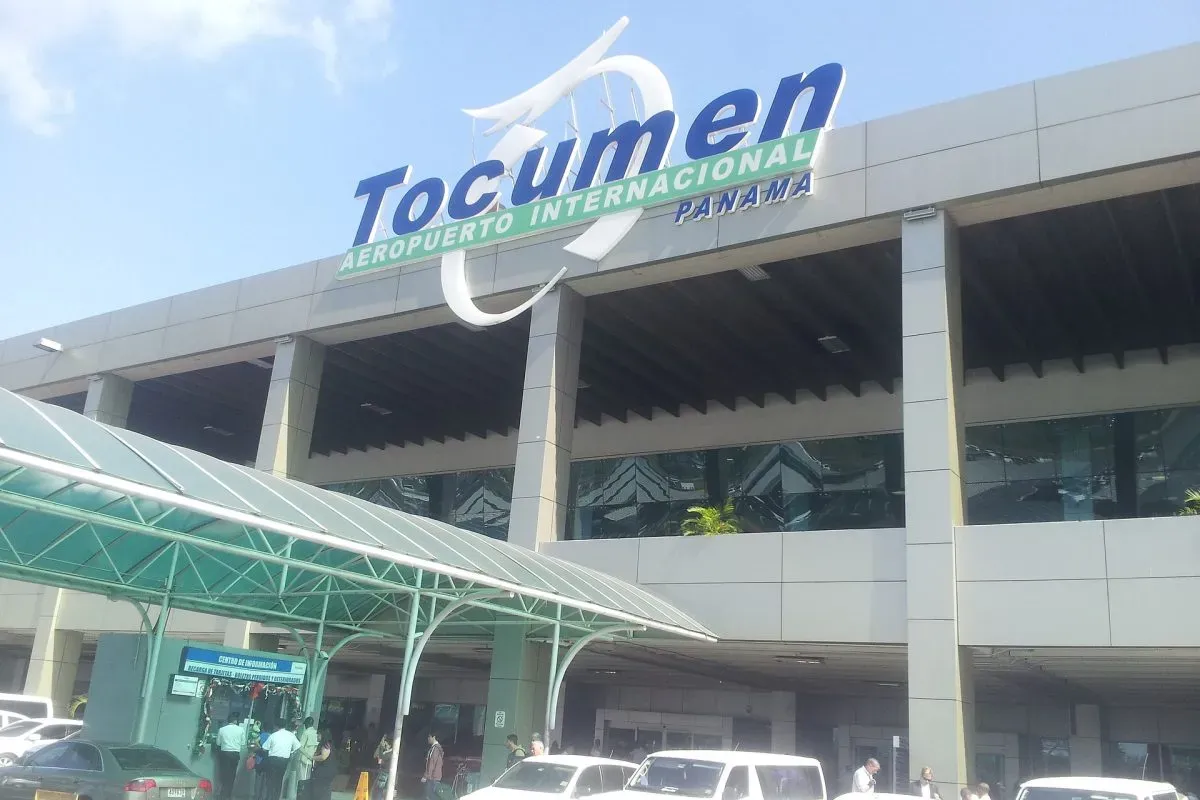
Projections hinge on current passenger traffic. Approximately 19 million passengers move through Tocumen each year, with an estimated 60 percent, or 11.4 million people, classified as transit passengers. This would create a monthly revenue stream of about $9.5 million if the fee is implemented.
The proposed law mandates a specific allocation for the generated funds. Seventy percent of the revenue, roughly $79.8 million per year, would be distributed to the charitable foundations of three major public hospitals. The Hospital del Niño, Hospital Santo Tomás, and the National Oncology Institute would be the primary beneficiaries. The remaining 30 percent, equating to $34.2 million, is earmarked for maintenance and modernization projects across Panama’s national airport network.
“This initiative seeks to create a sustainable source of funding for our critical public health institutions while also investing in our aviation infrastructure,” said proponent Benicio Robinson Gonzalez. [Translated from Spanish]
This financial forecast represents a significant reduction from earlier estimates. Initial legislative expectations presented in August 2025 projected a higher yield, meaning the current $114 million annual estimate is approximately $76 million less than originally anticipated.
Tourism Industry Voices Strong Opposition
Despite the social aims of the bill, Panama’s tourism and hospitality sectors have united in firm opposition. The National Tourism Chamber of Panama (Camtur) and the Panamanian Hotel Association (Apatel) argue the fee would damage Panama’s competitive position as a regional aviation hub.
Camtur officials note that over 70 percent of Tocumen’s passengers are in transit. They warn that an additional charge would make Panama less attractive compared to rival connection hubs in cities like Bogotá, Lima, and San Salvador. The group has publicly rejected the transit fee concept, fearing it will divert traffic to competing airports.
Apatel echoed these concerns, emphasizing that hub competitiveness relies heavily on cost structures. The association cautioned that any price increase influences airline decisions on where to establish their connection routes. The hotel group also criticized the legislative process for lacking technical studies on the potential economic impact.
Industry experts point to potential collateral damage. Programs like Panama’s Stopover initiative, designed to encourage transit passengers to extend their layovers into short tourist visits, could be undermined. The new airport tax might discourage travelers from considering such options.
The bill’s path forward requires several steps. It must pass through committee reviews and three full debates in the National Assembly of Panama. Final approval would then depend on ratification by President José Raúl Mulino. The ongoing discussion in the asamblea nacional/national assembly highlights a recurring tension between generating public revenue and maintaining economic competitiveness.
Lawmakers now face a difficult balancing act. They must weigh the urgent needs of public healthcare funding against the legitimate fears of a key economic sector. The decision will ultimately shape Panama’s position in the global aviation market for years to come.