


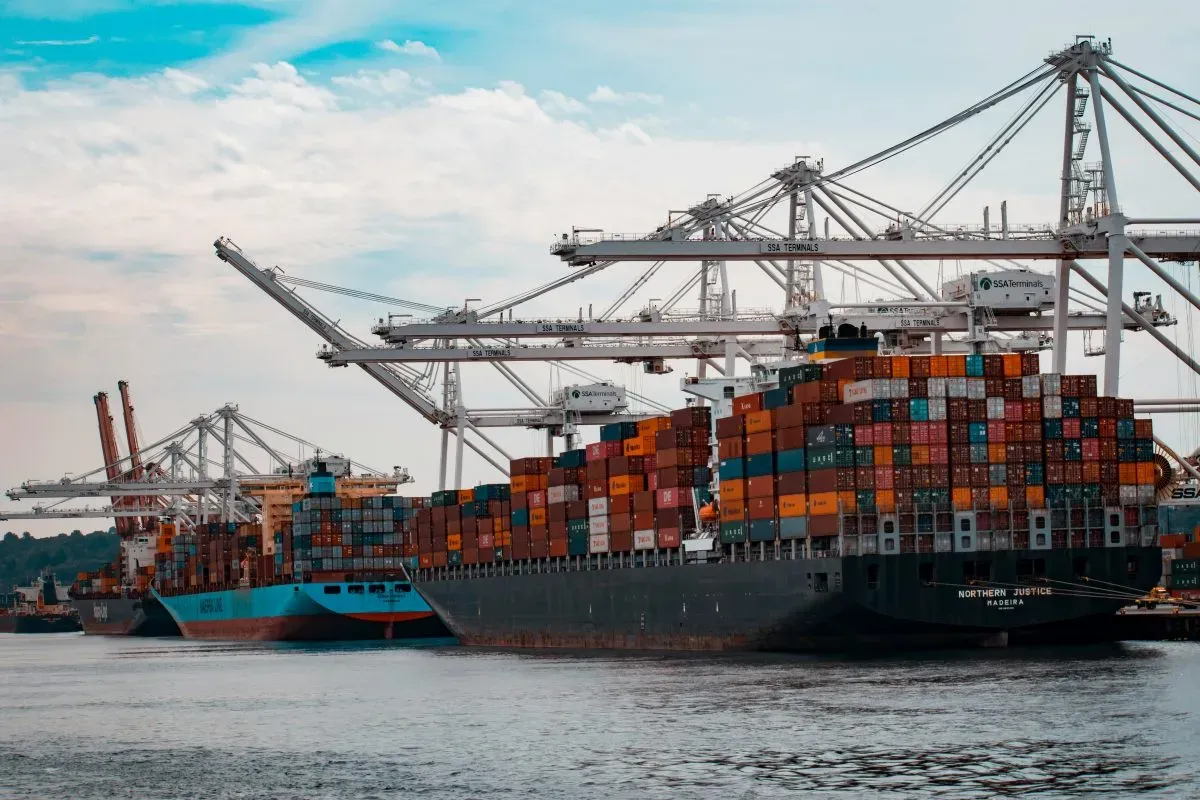
The Panama Maritime Authority is investigating why Chinese port officials detained 92 Panama-flagged vessels in March. This figure represents a dramatic increase from the typical monthly detention rate and has prompted a high-level review by Panamanian officials. The detentions occurred during routine Port State Control inspections at various Chinese ports.
Official data shows the March total of 92 ships nearly doubled the previous average. Before this spike, detentions of Panamanian vessels in Chinese ports typically ranged between 40 and 60 per month. The Panama Maritime Authority confirmed it is handling the matter with caution due to its implications for international maritime security.
“In March, we closed the month with 92 ships detained. This means some deficiency was found during inspections, and they must be repaired before the vessels can sail to their destination port,” said AMP Administrator Luis Roquebert. [Translated from Spanish]
A senior AMP official is currently in Asia to verify the situation on the ground. The director of the Merchant Marine Directorate is in Japan for a two-week series of meetings with regional authorities. Panama expects a detailed report from that mission to clarify the precise causes behind the increased enforcement actions.
Government Urges Caution Amid Speculation
Panama’s government has adopted a measured public stance. Administrator Roquebert acknowledged some international media have linked the rise in detentions to broader geopolitical tensions involving Chinese ports. He emphasized those reports remain unconfirmed and are still under evaluation by his agency.
President José Raúl Mulino stated his administration is giving China the benefit of the doubt while the investigation proceeds. Officials consistently note that ship detentions for inspection are standard global procedures. They are a core function of Port State Control regimes designed to enforce international safety and environmental standards.
“The director of the Merchant Marine is responsible within the Maritime Authority for monitoring this daily. He is arriving in Japan and will be there two weeks meeting with authorities,” Roquebert affirmed. [Translated from Spanish]
The Panama Maritime Authority has taken proactive steps in response to the incident. It issued circulars to shipping companies worldwide, urging them to ensure all vessel documentation is in order. The circulars also stressed the critical need to comply with the highest navigation safety standards to prevent similar detentions.
Context of Panama’s Shipping Registry
Panama operates the world’s largest ship registry by tonnage, with thousands of vessels flying its flag. The registry’s size makes it a frequent subject of Port State Control inspections globally. A sudden concentration of detentions in a single major port state like China naturally raises operational and diplomatic questions for the administering authority.
The outcome of the AMP’s investigation could have significant commercial implications. Ship detentions cause costly delays for vessel operators and can affect insurance premiums. They also impact the reputation of a flag state’s oversight capabilities. The AMP’s direct engagement with Asian authorities signals the economic importance of resolving the matter swiftly.
Final conclusions await the official report from the Merchant Marine director’s fact-finding trip. Until then, Panamanian authorities continue to treat the increased detentions as an unusual operational anomaly requiring thorough technical review. The situation underscores the complex interplay between maritime safety enforcement and international shipping logistics.