


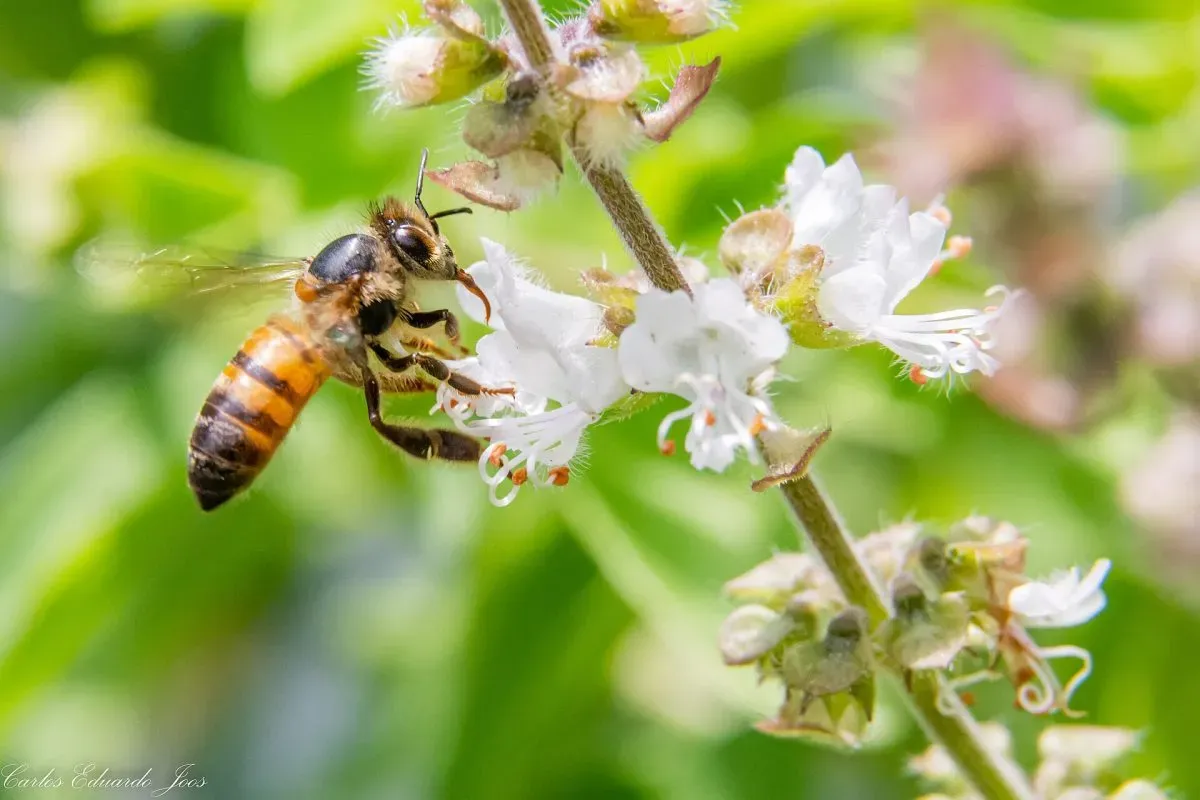
Residents of Villa Mireya in Panama are living in fear due to multiple swarms of aggressive Africanized bees (colloquially known as the “killer bee”). The insects have colonized at least four utility poles in this community within the Capira District of Panamá Oeste Province. Community members report that the dangerous hives are located near homes and common walking paths, creating an urgent public safety hazard.
Local families say the situation has escalated with several attacks already documented. A six-month-old infant and multiple community dogs have been stung, raising fears of a more serious incident. The proximity to routes children use to travel to school has intensified calls for immediate intervention from authorities.
Community Pleads for Help as Officials Delay Response
Frustrated residents confirm they have filed numerous complaints with both the national fire department and the local electric company. They claim no action has been taken to remove the hives, leaving them feeling abandoned and vulnerable. Many now hesitate to leave their homes, altering daily routines to avoid the infested areas.
“We are afraid the African bees will sting us,” said one elderly resident, highlighting the pervasive anxiety. [Translated from Spanish]
The core concern is the potential for a mass attack. Africanized bees, often called “killer bees,” are known for their highly defensive nature. They can swarm and pursue perceived threats for much greater distances than common honeybees, making these urban hives particularly dangerous.
This case in Villa Mireya is not an isolated event. National firefighter data reveals a staggering 3,843 emergency calls related to Africanized bees were logged in just the first 95 days of this year. That period included one fatality, underscoring the lethal potential of these swarms when they establish colonies in populated areas.
Public Safety Demands Coordinated Action
The inaction reported by Villa Mireya residents points to a possible gap in protocol between utility companies and emergency services. Removing hives from active electrical infrastructure requires specialized training and coordination to protect workers and the public. Any delay, however, increases the risk exponentially.
Local leaders are now being pressured to mediate a rapid response. The community’s demands are straightforward. They want the identified hives eradicated by professionals before a tragedy occurs. Residents also seek a clear channel for reporting future infestations to ensure quicker action.
Experts note that prevention and public education are key long-term strategies. Teaching citizens how to identify and safely report Africanized bee colonies can prevent establishment. For now in Villa Mireya, the immediate need is removal. Families continue their tense vigil, hoping for help before the buzzing threat turns deadly.