


The Panama City municipal government is exploring a new tool to punish drivers who park in prohibited areas. Mayor Mayer Mizrachi presented a proposal to the Municipal Council on Tuesday, June 2. The plan would allow temporary immobilization of vehicles blocking public spaces.
📑 Table of Contents
Drivers who park on sidewalks, invade public easements, or stop on green areas could face new consequences. The proposal targets vehicles that “obstruct or damage public easements, sidewalks, municipal roads, green areas, and other public domain spaces,” according to the official document. [Translated from Spanish] The council agreed to send the initiative to the Legal Advisory, Labor and Union Affairs Commission for review.
The meeting lasted barely 30 minutes. Council members requested a special session for Wednesday, June 3 with the Legal Advisory Commission. Ismael Atencio, representative of the Ernesto Córdoba Campos township, pushed for the proposal to be included in the next day’s agenda.

How Vehicle Immobilization Would Work
The proposal did not specify exact enforcement methods. Officials offered no details on how they would physically stop cars from driving away. The council session included Mayor Mayer Mizrachi, but no one commented on the operational side of the plan.
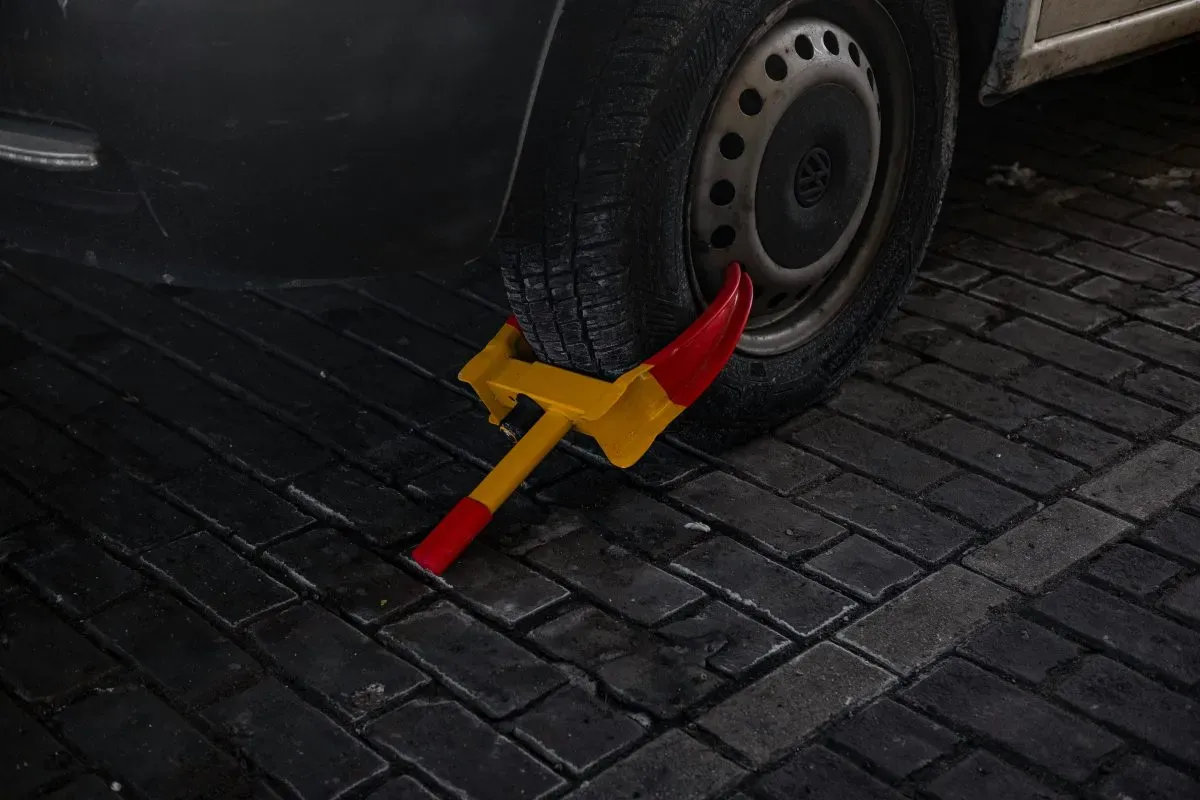
One possible tool is the vehicle immobilization wheel clamp, commonly called a “spider” in Mexico and the United States. This pneumatic device attaches to a tire and prevents the car from moving. Drivers must follow specific steps set by authorities to get the clamp removed.
The city has not confirmed whether it would use these devices. The proposal remains in its early review stages. Council members will examine legal questions first.
The measure aims to protect public spaces that drivers routinely abuse. Sidewalk parking forces pedestrians into traffic. Green area damage costs the city money for repairs.
Parking Crisis Drives New Enforcement
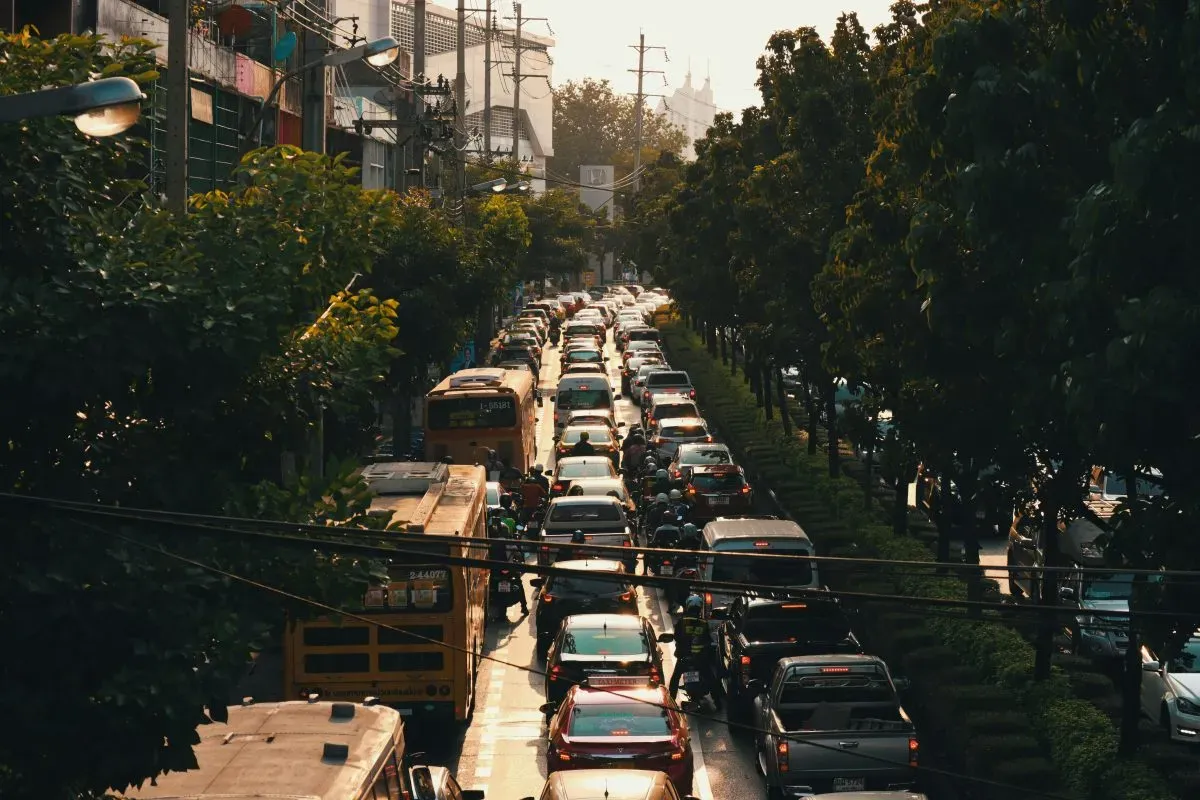
Panama City faces a persistent parking shortage across many neighborhoods. Public parking lots remain scarce or located far from commercial centers. The Cinta Costera lots sit at a distance from where most people need to go. Private parking garages charge rates many residents consider too high.
The Panama City Mayor has faced growing complaints about illegal parking. Drivers routinely block driveways, fire hydrants, and bus stops. Emergency vehicles sometimes struggle to pass through narrow streets clogged with parked cars.
Residents in areas like El Cangrejo and Bella Vista report daily frustrations. One driver told local media the situation forces people to break rules. “There is nowhere to park legally near my apartment,” he said. “I don’t want to block a sidewalk, but what choice do I have?” [Translated from Spanish]
The city has not released a timeline for implementing the measure. The Legal Advisory Commission will issue its recommendation after Wednesday’s session. Council members could then vote on the proposal. If approved, the immobilization system would begin as a temporary measure, according to the document.
Critics argue the city should address root causes before punishing drivers. They want more public parking structures and better enforcement of existing rules. Supporters say the immobilization system works well in other countries. Mexico City uses similar devices and reports fewer sidewalk parking violations.
The council will need to define clear rules for the program. Questions remain about fees for releasing immobilized vehicles. Officials must also decide who will install and remove the clamps. Private contractors or municipal employees could handle the work.
For now, drivers in Panama City should expect stricter enforcement. The proposal signals a shift toward tougher penalties. Illegal parking has become a priority issue for the municipal government. The next council session will determine how quickly the plan moves forward.