


Panama’s National Commission for the Protection of Refugees (CONARE) held its third monitoring session this Wednesday. The meeting focused on evaluating asylum requests and strengthening protection mechanisms across the country. Vice Minister of Government Juan Francisco Borrell presided over the session.
Seven commissioners attended the gathering in Panama City. The team addressed two family reunification cases during the meeting. Officials also approved three new refugee status recognitions. The National Commission for the Protection of Refugees (CONARE) continues to process a growing backlog of applications from displaced individuals seeking safety in Panama.
Tania Lam, director of the National Office for Refugee Assistance (ONPAR), outlined key developments. She confirmed that officials analyzed measures to help refugee children obtain permanent residency. Their parents would gain access to work permits under Decree Law 74.
“We are examining protocols that allow refugee children to secure permanent status while their parents receive legal work authorization,” Lam said. “This follows the framework established by Decree Law 74.” [Translated from Spanish]
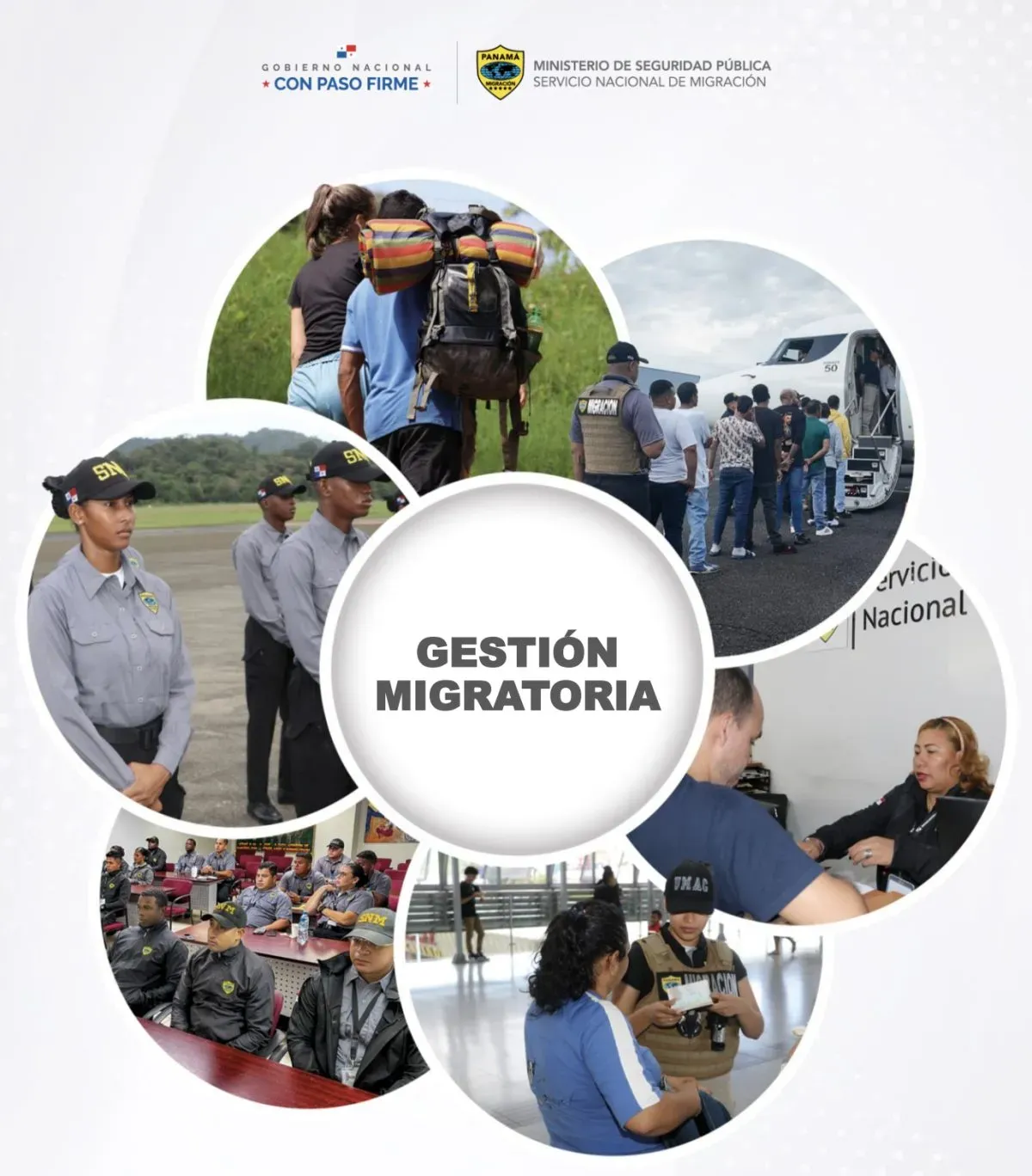
Lam also detailed the registration and security protocol. Asylum seekers must undergo interviews and a biometric data collection process. The National Migration Service handles this fingerprinting and photographing procedure. These steps ensure proper documentation of all refugee applicants.
International Support and Integration Efforts
Margarita Loureiro, deputy representative of UNHCR in Panama, praised the country’s progress. She expressed satisfaction with the advances in integration and respect for international law. Panama continues to align its policies with UNHCR refugee integration in Panama standards.
“We are very pleased with the progress achieved in integration matters and the respect for international law,” Loureiro said. “These efforts demonstrate Panama’s commitment to protecting vulnerable populations.” [Translated from Spanish]
The meeting represents a critical step in Panama’s refugee policy evolution. CONARE now processes cases with greater efficiency. The commission balances security requirements with humanitarian obligations. Officials expect more family reunification cases in coming months.
Vice Minister Borrell emphasized the government’s dedication to fair asylum procedures. Panama faces increasing migration flows from South America and the Caribbean. The country’s strategic location makes it both a destination and transit point for refugees. CONARE’s work directly impacts thousands of people seeking protection.
The biometric registration system creates a secure database. It prevents fraud and ensures applicants receive proper documentation. Successful applicants gain access to education, healthcare, and legal employment. These rights form the foundation of Panama’s refugee integration model.
Lam confirmed that ONPAR will continue monitoring approved cases. The office tracks integration outcomes and identifies remaining challenges. Language barriers and housing remain significant obstacles for many refugees. Government agencies coordinate with NGOs to address these issues.
Panama’s refugee framework draws international attention. The country accepts asylum seekers from Venezuela, Colombia, and Nicaragua. Regional instability drives continued migration pressure. CONARE’s efficient processing helps maintain Panama’s humanitarian reputation while managing security concerns.