


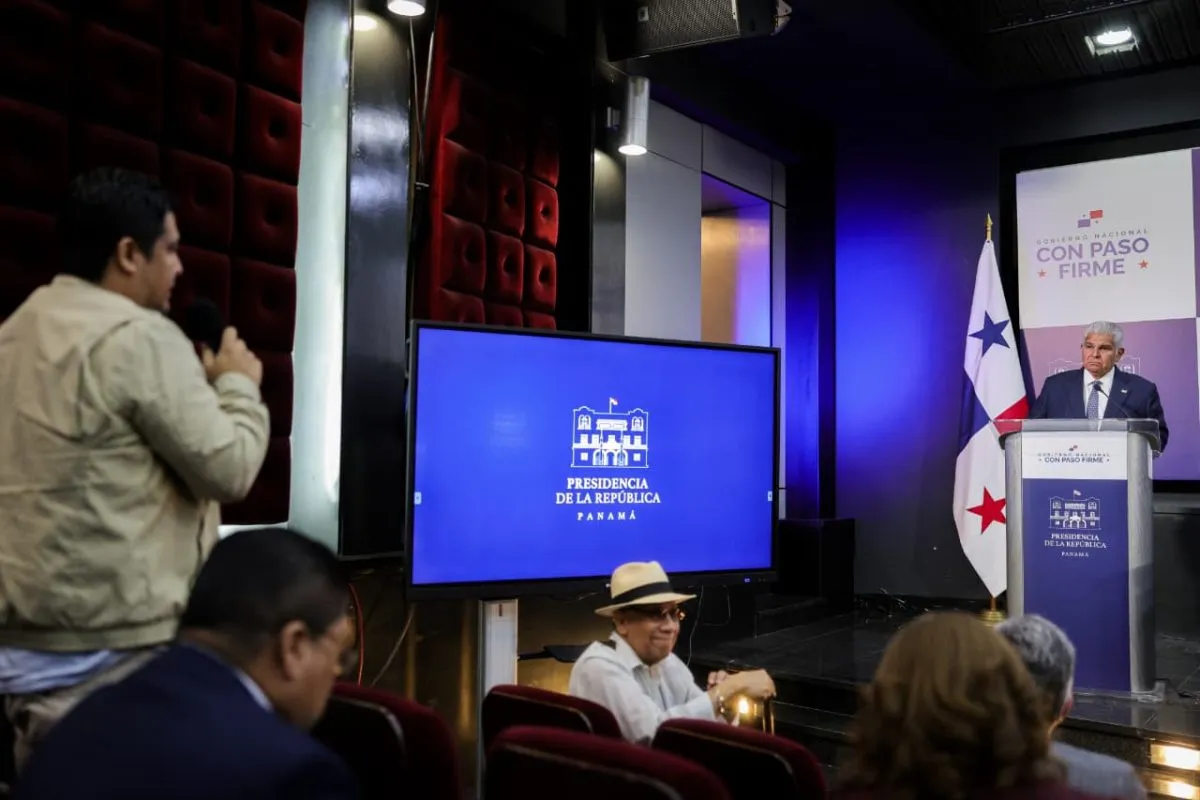
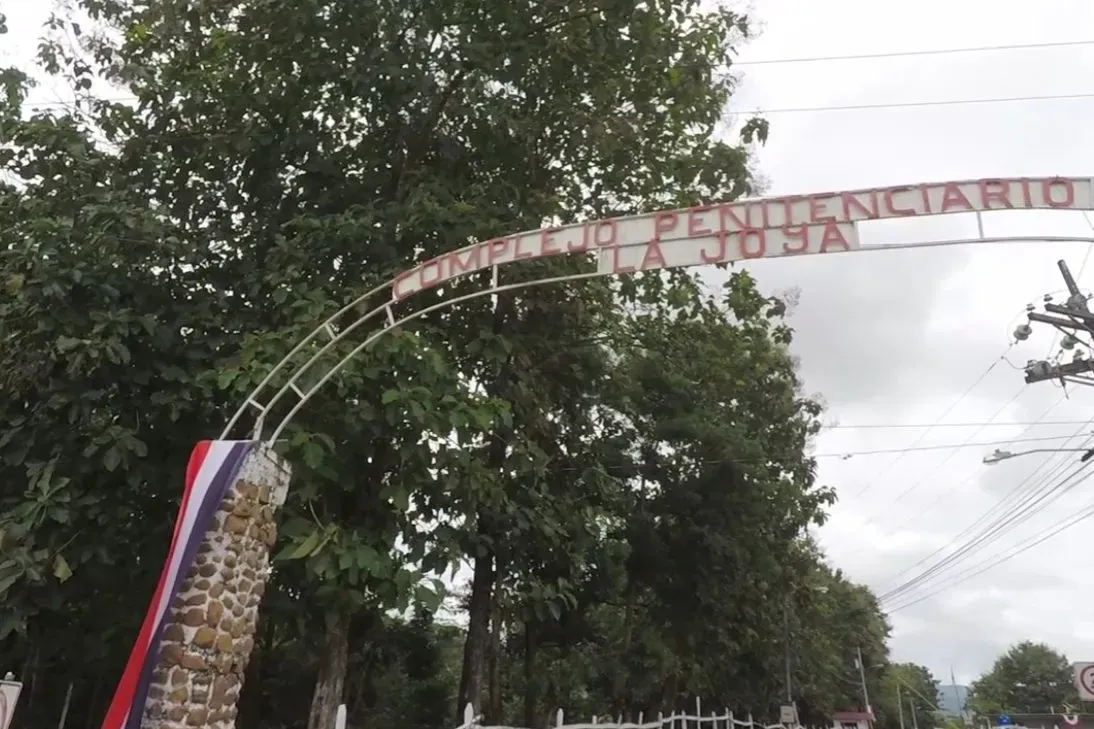
Panama City, Panama – President José Raúl Mulino has declared that national security for Panamanian families is his government’s top priority. This commitment has driven a series of forceful actions, which accelerated dramatically after a mass escape at the La Joyita prison on June 17, 2026. The president confirmed that the incident will be investigated thoroughly, and those responsible will face the full force of the law.
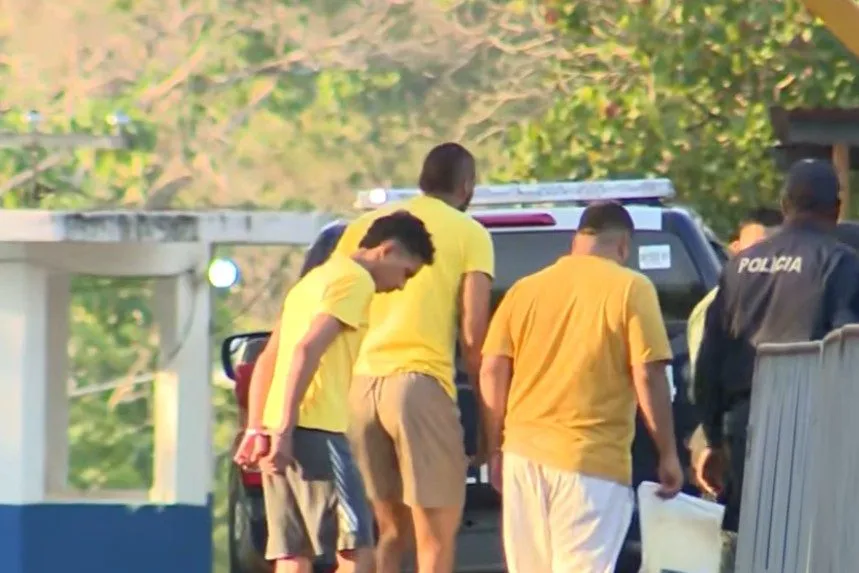
During his weekly Thursday press conference at the Palacio de Las Garzas, Mulino stated there would be no legal or political protection for anyone. Officials with any responsibility for the escape will face consequences based on internal investigations, suspensions, and criminal complaints already filed. The government has deployed strong search units, and of the 195 inmates who fled, 178 are now back in custody. Authorities are actively searching for the remaining fugitives, regardless of their criminal profile, to ensure they serve their sentences plus additional time for escape. So far, 155 inmates have been processed through the courts and face up to seven additional years in prison for the escape; 28 of those have already received their sentences.
President Mulino Promises No Protection for Officials
“I have no protected individuals, and I repeat: I will sanction and report whoever is responsible, once I have objective information from the authorities handling this. From the moment of the escape and the chaos that followed, I gave clear instructions to immediately suspend the guards and the security chief, impose order, carry out massive searches applying the law and respect, and dismantle the gangs that operated from the prison, which are responsible for part of the violence on the streets,” Mulino said. [Translated from Spanish]
“I have no protected individuals, and I repeat: I will sanction and report whoever is responsible, once I have objective information from the authorities handling this.” — President José Raúl Mulino [Translated from Spanish]
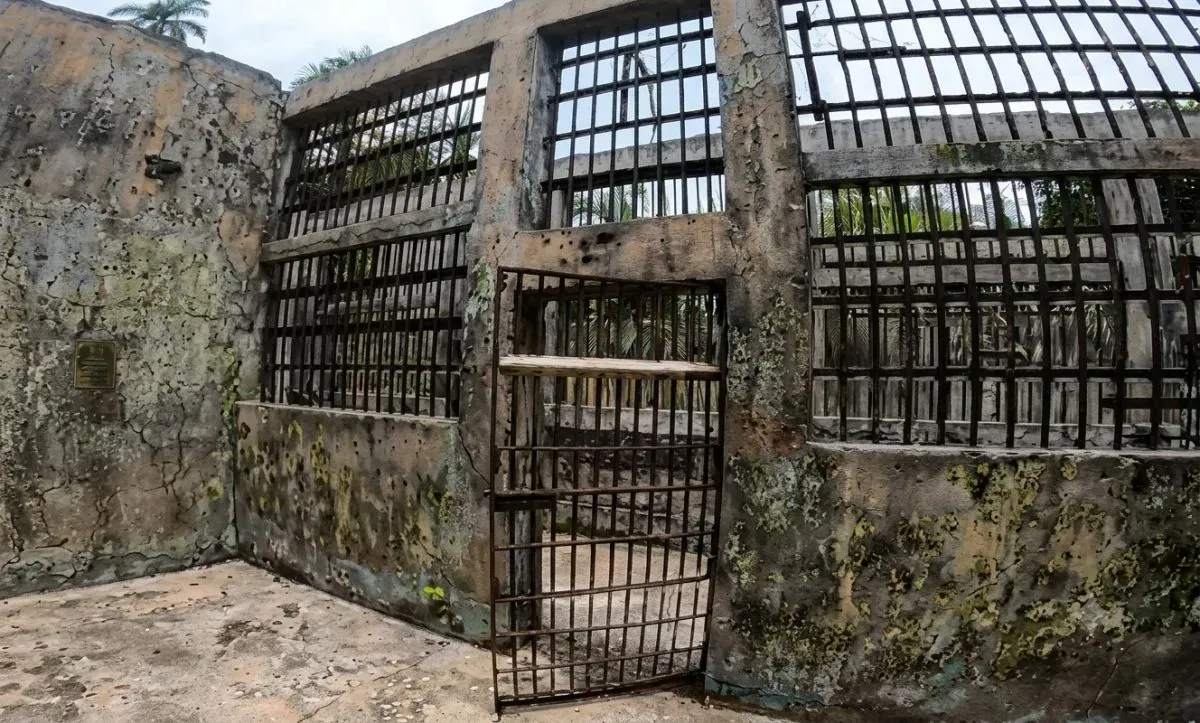
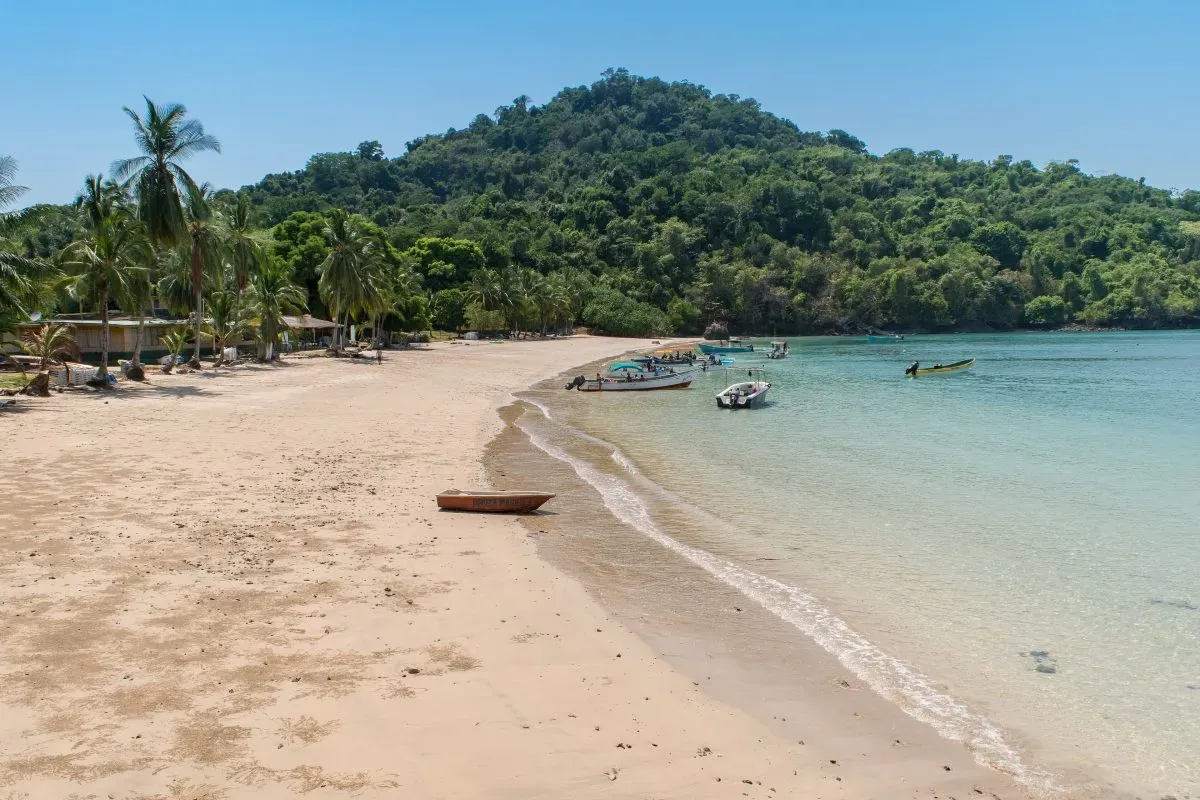
The president also clarified that on Coiba Island, where high-danger inmates have been transferred, no new facilities are being built. This means the island’s national park remains unaffected. The structures in use belong to the National Aeronaval Service (SENAN) base, built when Mulino served as Security Minister after prior consultations with environmental agencies. “It is a base for the purposes that today help us solve a serious problem. That facility is not in the National Park; it will be used to protect the national security and the lives of thousands of Panamanians who are not drug traffickers, murderers, or rapists, who see how these criminals generate violence, even from prisons,” he added. [Translated from Spanish]
What is actually under construction, he noted, is a station to add about 30 park rangers to protect the area. This Coiba island security base was built to serve a specific purpose, and it is now being used to isolate the most dangerous criminals from society.
Government Criticizes ‘Double Moral’ on Security
Mulino questioned the “double moral” of those who now criticize the government’s security actions and the transfer to Coiba Island. He pointed out that many of these same critics remained silent when the Darien border was contaminated by the passage of thousands of irregular migrants, a cleanup that is now costing millions of dollars. “I sincerely hope that these criticisms have no relation to an attempt to protect the individuals who were transferred,” he stated. [Translated from Spanish]
The president was firm on his human rights stance. “I am in favor of human rights, but always starting with the human rights of the victims, of the immense majority of Panamanians who are or could be victims of these criminals, not of them first. The prisoners have free electricity, but they use it to harm those who pay for their food and their electricity,” he said. [Translated from Spanish]
Mulino argued that the La Joyita escape proves that high-profile criminals take advantage of the outdated resocialization model inherited from the last century. The system has failed, he confirmed. In response, the president promised a complete overhaul. “Prison is a hinge. We will generate the necessary changes, first with the officials who failed in their duty and then, with a prison culture that must change, adapted to the current needs of maintaining order, discipline, and isolation. It is time to use tough models that are yielding results elsewhere, with new structures and public policies that I will announce on July 1,” he advanced. [Translated from Spanish]
This commitment to overhaul the system aligns with broader discussions around Panama criminal justice reform, as the government seeks modern solutions to chronic prison issues.
Next Steps: New Prison Policies and Manhunt for Killers
The president concluded by urgently calling on police units to capture those responsible for the murder of a young female student on Wednesday. The girl was a collateral victim of an attack aimed at an adult accompanying her, who had an extensive criminal record. The search for the remaining escapees continues, and the government is preparing to announce a new, tougher prison regime. The changes will focus on discipline, isolation, and dismantling the criminal networks that continue to operate from behind bars.