


Panama City has become the center of hemispheric diplomacy this week. The nation is hosting the Organization of American States General Assembly 56. This event marks exactly two centuries since Simón Bolívar first called for regional unity in 1826.
Ambassador Ana Irene Delgado, Panama’s representative to the OAS, confirmed the historic timing. She detailed the assembly’s focus on multilateralism, democracy and security. Panama last hosted this gathering in 1975 and again in 1996. [Translated from Spanish]
Panama Takes Leadership in Key OAS Commissions
The assembly elected Panama by acclamation to lead two fundamental commissions. Panama now presides over the Hemispheric Security Commission and the Migration Affairs Commission. South American and Caribbean nations hold the vice presidencies in both bodies.
Security discussions center on drug trafficking, migration patterns and refugee protection. Ambassador Delgado announced that two Panamanian commissioners, Scarlett Valdés and Bejarano, recently graduated from the Inter-American Defense College in Washington D.C. They earned master’s degrees and have returned to Panama City. These officials will now share their knowledge with state security agencies.
Panama is a country of dialogue, a country of consensus. President José Raúl Mulino and Chancellor Javier Martínez-Acha maintain a posture of respect for institutions and democracy. [Translated from Spanish]
The Migration Affairs Committee has focused on strengthening migrant human rights. Member countries have contributed fundamental input to these discussions. The committee’s work aligns with broader regional cooperation efforts.
Regional Geopolitics Shape Assembly Agenda
Recent electoral results across Latin America dominate informal discussions. Colombia’s election outcomes join shifts observed in Peru, Honduras, Bolivia and Chile. Panama’s leadership emphasizes respect for democratic processes throughout the region.
The assembly agenda includes several pressing national situations. A dialogue on Bolivia involves three foreign ministers. Haiti remains a priority issue where the OAS secretary general has worked for years. Venezuela’s situation draws a clear position from Panama. Nicaragua’s case proceeds through the OAS Group of Friends of Nicaragua.
This gathering connects directly to the Simón Bolívar 1826 Congress of Panama. That historic meeting first attempted to unite Latin American nations. Two centuries later, Panama again serves as a bridge for regional cooperation.
International Participation Reaches Global Scope
Three heads of state have confirmed their arrival. The vice president of El Salvador also attends. More than 30 foreign ministers are participating in the assembly. Delegations from Europe, Asia and Africa have arrived as well.
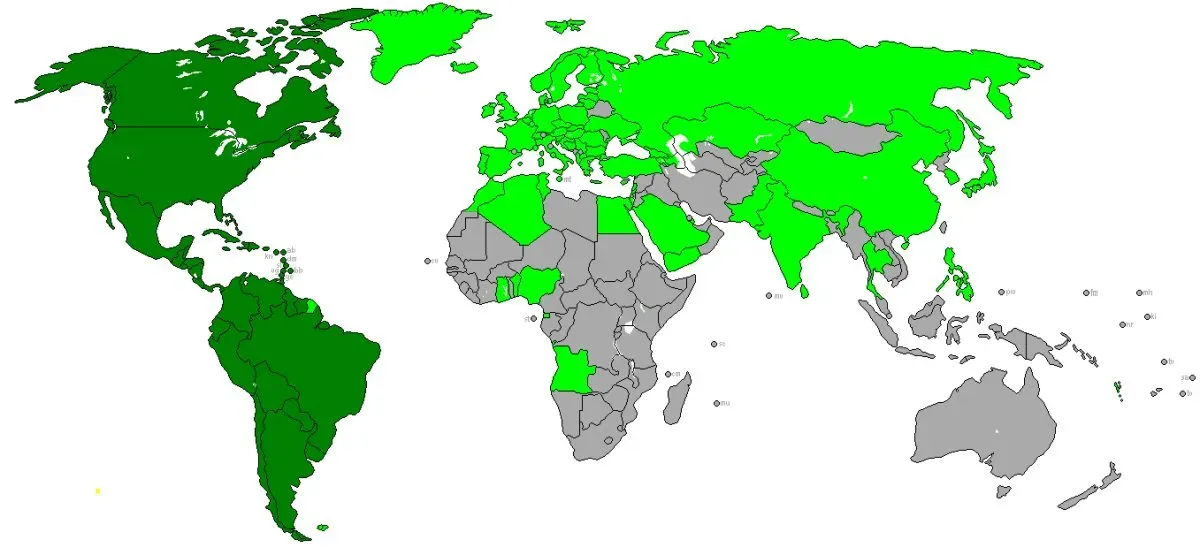
The OAS maintains observer states from every continent. Organizations including IICA and PAHO participate in plenary sessions. Civil society meetings run parallel to the main diplomatic events.
Panama founded the OAS in 1948 alongside 20 other nations. This marks the third time the country hosts the General Assembly. Additional meetings include the Youth Forum and the Forum of Democracies. These events reaffirm Panama’s multilateral vocation.
The assembly runs through Friday with working sessions scheduled daily. Committee meetings continue behind closed doors. Final resolutions will address security cooperation, migration protocols and democratic institutional strengthening across the hemisphere.