


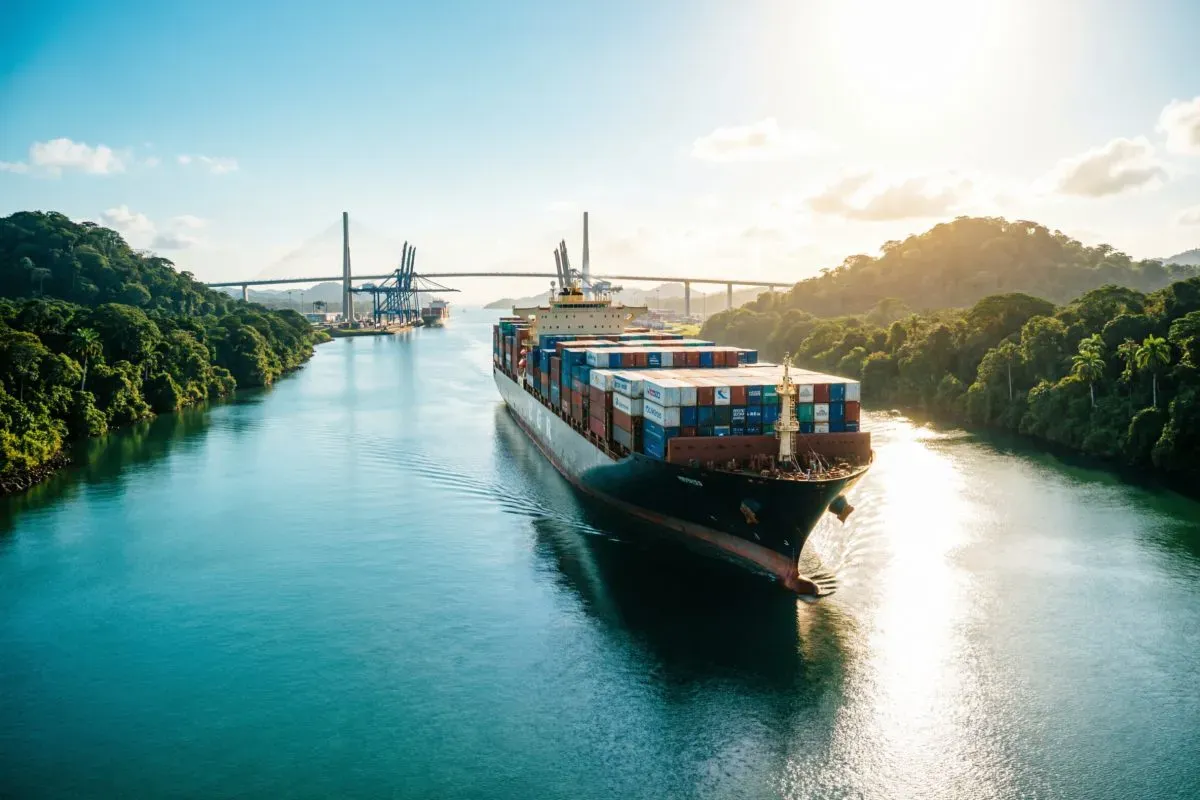
The Panama Canal has experienced a remarkable financial transformation over the past ten years. Panama Canal Revenue Doubles since the waterway’s expansion in 2016. New data from the Panama Canal Authority shows this growth has fundamentally altered the canal’s economic relationship with the nation.
Canal income rose from $2.503 billion in 2016 to a projected $5.207 billion in fiscal year 2026. That represents an increase of $2.704 billion, or 108 percent growth. The numbers become even more striking when examining direct contributions to the Panamanian state. Those payments surged from $1.013 billion to $3.193 billion over the same period. That marks a 215 percent increase, according to budget documents reviewed by this reporter.
Physical cargo volumes tell a different story. They grew more modestly. The canal moved 330.4 million tons in 2016. Projections for 2026 show 462 million tons. That is a 39.8 percent increase. Traffic peaked at 518 million tons in 2022 before declining. Climate factors and operational adjustments caused the drop.
Neopanamax Locks Drive Revenue Growth
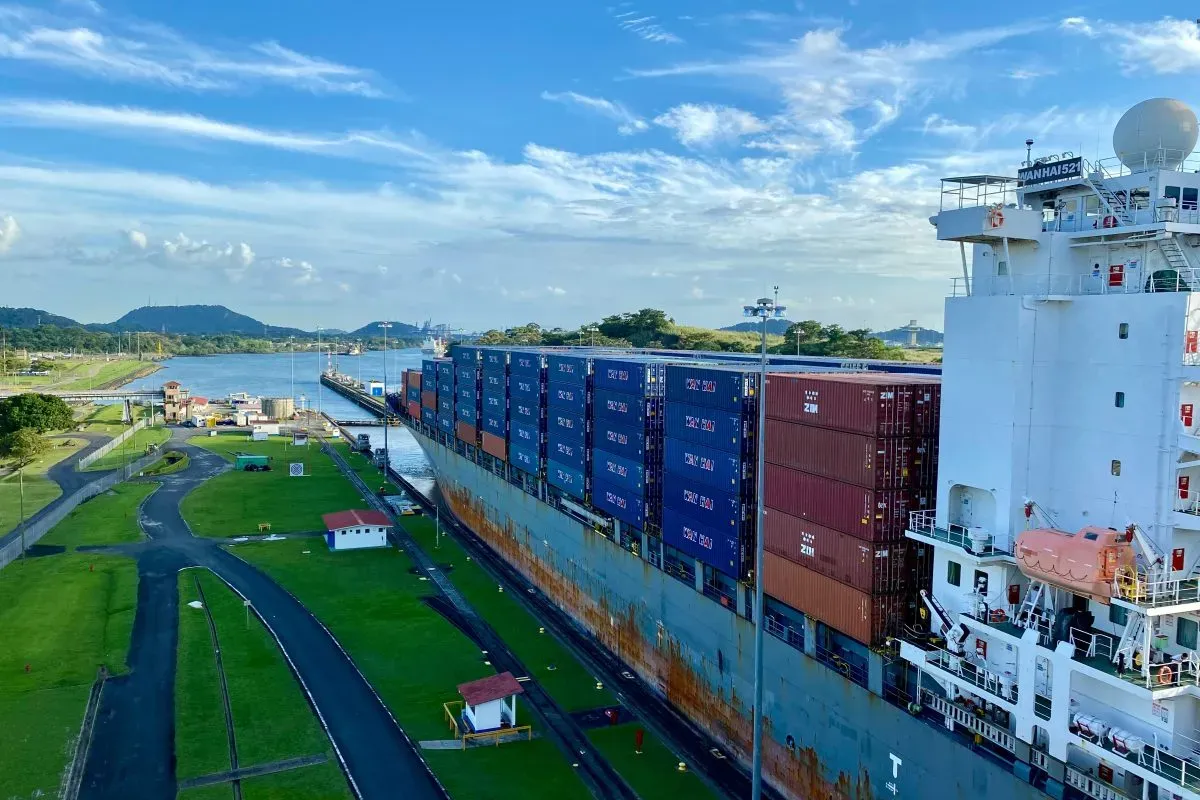
The Panama Canal expansion opened the third set of locks in 2016. That decision reshaped global shipping routes. Larger vessels now transit the waterway. These neopanamax ships carry significantly more cargo per passage.
José Ramón Icaza, the minister for Canal Affairs, explained how the expansion transformed maritime trade. “The expansion allowed the transit of larger capacity vessels, generating a direct impact on cargo volumes and transforming global logistics routes,” Icaza said. [Translated from Spanish]
“This structural change spurred construction of ships up to 17,500 TEU capacity. It also created a multiplier effect on port investment at the regional and global level,” he added. [Translated from Spanish]
“The neopanamax locks now represent more than 50 percent of the cargo and revenue. They operate with just one lane compared to the two lanes of the centennial locks. This demonstrates a significant increase in the economic efficiency of the interoceanic waterway.”
The canal’s financial performance shows remarkable resilience. Fiscal year 2026 projections estimate total revenue near $6 billion. Strong demand drives this figure. During the first half of fiscal 2026, revenue increased 10 percent year-over-year to $3.041 billion. Net earnings grew 12 percent to $2.192 billion. Those are preliminary, unaudited figures.

Financial Discipline and Investment Grade Status
Canal authorities point to specific factors behind the sustained growth. Daily transits are increasing gradually. Traditional shipping routes are recovering after the recent water crisis. High-value segments like LNG, vehicle transport, and containerized cargo show strong demand.
The Panama Canal toll revenue structure has also evolved. Operational measures now provide greater transit certainty. A slot allocation program helps shipping lines plan their passages.
Officials emphasize the canal’s financial management approach. “The canal is an asset that generates sustainable value. It has high profitability, resilience against shocks, and financial discipline comparable to international standards,” an Authority spokesperson said. [Translated from Spanish]
“The canal has built its success on a combination of operational reliability, adaptability, and long-term strategic vision. As a result, the Panama Canal maintains a solid investment-grade risk rating. This reflects its high financial autonomy and operational resilience.”
The canal’s economic impact extends beyond direct revenue. In fiscal year 2025, the waterway represented 3.4 percent of Panama’s GDP. The organization employs 9,014 workers directly. Thousands more hold indirect jobs tied to canal operations.
Future Growth Through Vision 2035 Projects
Fiscal year 2026 ends in September. Current transit numbers already exceed original budget estimates. The budget projected 11,493 transits. Through May, the canal recorded 8,593 neopanamax transits. Monthly averages between 1,100 and 1,200 suggest the final number will surpass projections.
The canal’s Vision 2035 plan outlines major expansion projects. These include new port facilities, energy corridors, and water infrastructure. Officials expect these investments to amplify the canal’s economic and employment impact in coming years.
This financial success story stands in contrast to physical operational challenges. The Panama Canal faced severe drought conditions that forced transit restrictions. Water conservation measures and operational adaptations helped maintain service levels. The canal’s ability to generate higher revenue with fewer transits demonstrates its improved economic efficiency.
The ten-year expansion anniversary reveals a waterway transformed. Revenue has doubled. State contributions have more than tripled. The canal now operates as a leaner, more profitable enterprise. Its success provides a financial foundation for Panama’s broader economic development.