The criminal trial of businessman Aaron Mizrachi concluded in Panama City on Wednesday. Prosecutors from the Anti-Corruption Office demanded a conviction for alleged money laundering tied to the vast Odebrecht bribery network. This case stands as one of the most significant anti-corruption prosecutions in Central America this decade.
Judge Baloisa Marquínez presided over the final hearing. She announced she would not issue a separate ruling for Mizrachi alone. Instead, his fate will be decided when she releases the complete sentence for the main case involving 21 defendants. Prosecutors have requested convictions for 16 of those individuals and acquittals for the remaining five.
Termina el juicio a Aaron Mizrachi por el caso Odebrecht; solo se presentó un testigo https://t.co/fbKv10cWG1 a través de @prensacom
— La Prensa Panamá (@prensacom) June 24, 2026
The Legal Reversal That Changed Everything
Mizrachi initially avoided trial. The First Superior Court granted him constitutional protections in September 2025, effectively nullifying the charges. But everything changed on February 3. The full Panama Supreme Court of Justice overturned that ruling. The court determined Mizrachi must face trial as originally ordered by Judge Marquínez in her April 4, 2025 indictment.
‘The court finds that the constitutional protections granted to Mr. Mizrachi were improperly applied. He must answer the charges before the court like any other defendant’ [Translated from Spanish]
This legal reversal sent a clear message about judicial accountability. The Supreme Court has shown it will intervene when lower courts deviate from proper procedure.
Family Connections Draw Public Scrutiny
Aaron Mizrachi is no ordinary defendant. He is the brother-in-law of former President Ricardo Martinelli. He is also the father of Mayer Mizrachi, the current mayor of Panama City. These family connections have drawn intense public attention to the proceedings.
Prosecutors allege Mizrachi received funds from Odebrecht through a company called Caribbean Holding Services Limited. The investigation suggests those resources were later transferred to Importadora Ricamar, a business linked to Martinelli. Money also allegedly flowed to former President Juan Carlos Varela. Both former presidents are charged in this same case.

The Scale of the Odebrecht Scandal
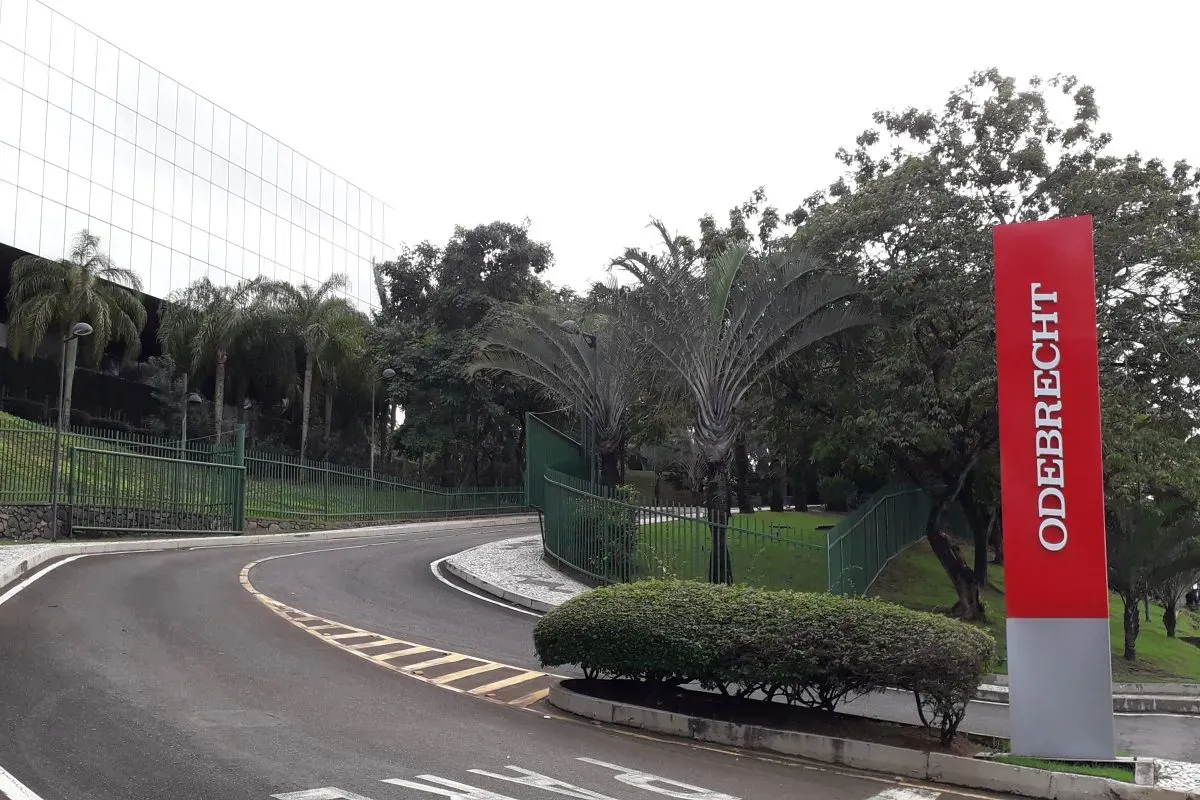
The Odebrecht scandal Panama stands as the largest corruption scheme in Latin American history. Company officials confessed to paying more than 59 million dollars in bribes to Panamanian officials between 2009 and 2014. Those payments secured lucrative government contracts. The true scale may be even larger. During the trial, prosecutors presented evidence suggesting the bribe amounts exceeded the original 59 million dollar figure.
Prosecutors describe a sophisticated operation designed to hide bribes as legitimate business transactions. The network stretched from Brazil through Panama and into the highest levels of government. Understanding the money laundering definition is central to this case, as prosecutors argue the funds were disguised through shell companies and fake contracts.
What Happens Next
Judge Marquínez now faces a monumental decision. She must determine criminal responsibility for all defendants connected to the bribery network. The entire nation watches for the final verdict. The case has exposed deep corruption within Panama’s political establishment. Two former presidents stand accused alongside business leaders and intermediaries.
Mizrachi maintains his innocence. His legal team has argued the evidence against him is circumstantial. They point to the initial court ruling that threw out the charges as proof of weakness in the prosecution’s case. Prosecutors disagree strongly.
Judge Marquínez has not indicated when she will release the complete sentence. Legal experts expect the ruling within 90 days. The decision must address the unique circumstances of each defendant while establishing a coherent narrative of how the bribery scheme operated.
The Panama judicial system faces its biggest test in decades. The Odebrecht trial has already lasted months and consumed enormous judicial resources. The final sentence will determine whether the system can hold powerful figures accountable for corruption. The outcome will set a powerful precedent for how Latin American nations handle large-scale corruption prosecutions.
For now, Aaron Mizrachi returns to his daily life while awaiting judgment. His family connections guarantee continued media attention. The broader question of accountability for the Odebrecht network remains open until Judge Marquínez delivers her comprehensive ruling.