


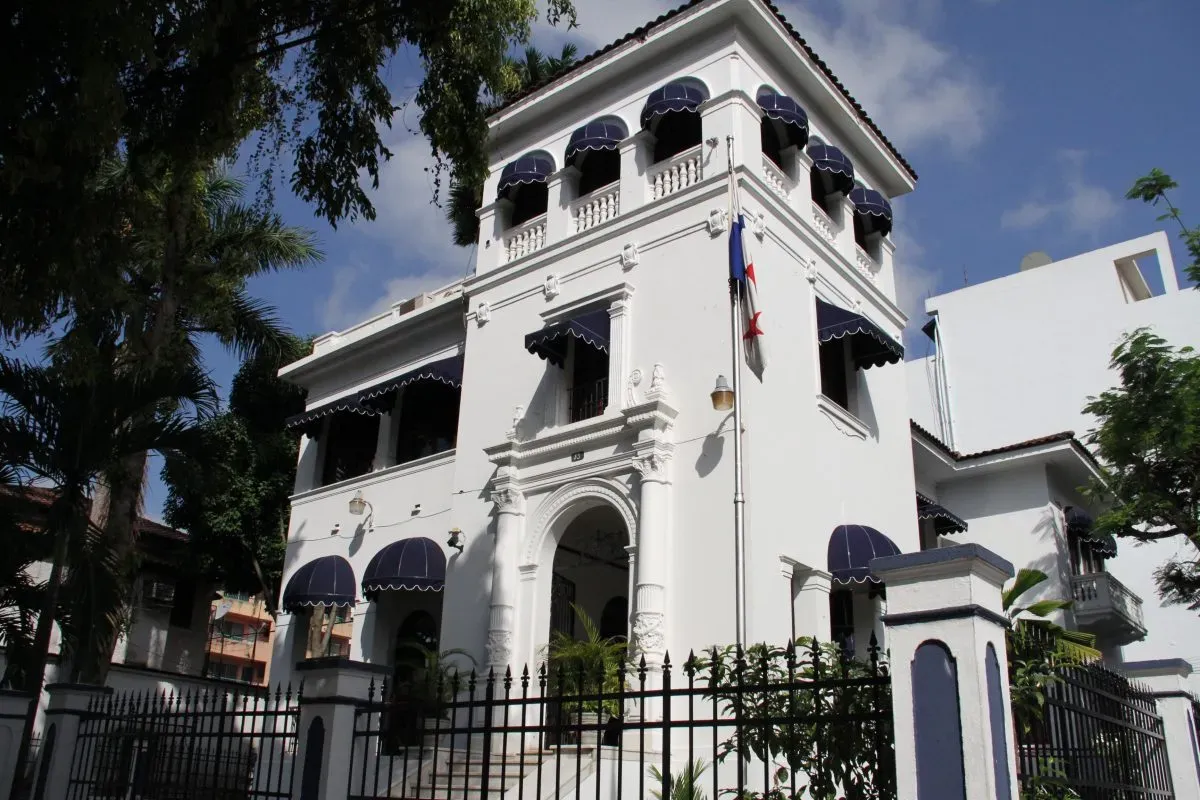
Walking into a government building to report a crime can feel overwhelming. Many Panamanians do not know where to start or what documents they need. The Office of the Attorney General of Panama handles these cases through a specific system designed to guide victims step by step. Understanding this process before you arrive can make a difficult situation much easier to manage.
The journey begins at the nearest regional office of the Attorney General. Citizens must visit the Primary Care Section, which operates in every province across the country. A duty prosecutor meets with each person who walks through the door. This initial conversation determines whether the case falls under the jurisdiction of the Public Ministry. If it does, the prosecutor takes a formal statement of events to launch the investigation.

Your Rights During the Initial Interview
Many victims do not realize they have specific legal protections from the very first meeting. During the intake process, officials explain these rights in clear language. The victim reviews the written statement to confirm it matches what they described. They also verify their personal information is correct before signing anything. This step prevents errors that could slow down the case later.
The prosecutor asks detailed questions about what happened. They want dates, locations, and descriptions of any suspects. Victims should bring any evidence they have, such as photographs, messages, or witness contact information. The more detail provided at this stage, the faster investigators can begin working.
‘The victim verifies that the facts written in the record are exactly as they stated them, as well as their personal data’ [Translated from Spanish]
After the paperwork is complete, staff members explain how to track the case. They provide case numbers and contact information for the assigned prosecutor. Victims can follow progress through official channels without needing to visit the office in person every time.
Where and How to File a Criminal Complaint
Location matters in the Panama criminal complaint process. The law requires victims to file their report at the prosecutor’s office or the Justice of the Peace in the district where the crime occurred. Filing in the wrong location can cause delays while the case gets transferred to the correct jurisdiction.
The complaint must be in writing. It needs the victim’s full identification, a detailed description of the criminal act, the names of any known suspects, and any other information that could assist the investigation. This is a personal legal act. The person filing must be at least 18 years old and of sound mind. Parents or guardians can file on behalf of minors or individuals who cannot represent themselves.
For those who need guidance before visiting an office, the Attorney General operates a telephone information line at 520-1054. Staff answer questions about the process and can explain what documents to bring. The alternative procedure centers are open from 8:00 a.m. to 12:00 p.m. and again from 2:00 p.m. to 5:00 p.m. on weekdays.
Common Mistakes People Make When Filing
Some victims rush to file a criminal complaint without gathering enough information first. Prosecutors need specific details to open a proper investigation. Vague descriptions or missing suspect names can stall a case before it starts. Taking time to write down everything you remember before going to the office helps avoid these problems.
Another frequent error involves forgetting to bring identification. Without proper ID, the office cannot process the complaint. Victims should carry their cedula or passport. They should also bring copies of any documents related to the crime, such as police reports, medical records, or contracts if fraud is involved.
Panama has seen increasing numbers of complaints in recent years, particularly in real estate and financial fraud cases. The system handles thousands of reports annually across all crime categories. Understanding the process before filing can reduce stress and improve the chances of a successful investigation.

What Happens After You File
Once the prosecutor accepts the complaint, the investigation phase begins. This can take weeks or months depending on the complexity of the case. The assigned prosecutor gathers evidence, interviews witnesses, and works with forensic specialists when needed. Victims may be called back for additional statements or to identify suspects through photo lineups.
The Attorney General’s office emphasizes that victims remain active participants in the process. They have the right to be informed of case developments and to request updates. If new evidence emerges, victims can submit it to the prosecutor handling their case. The office encourages people to report any changes in contact information so they do not miss important notifications.
Panama’s legal framework, established under Law No. 15 of 1994, protects victims throughout this journey. The system aims to balance thorough investigations with respect for those who have suffered harm. For anyone considering filing a complaint, the most important step is simply showing up at the right office with the right information. The prosecutors and staff are there to help navigate the rest.