


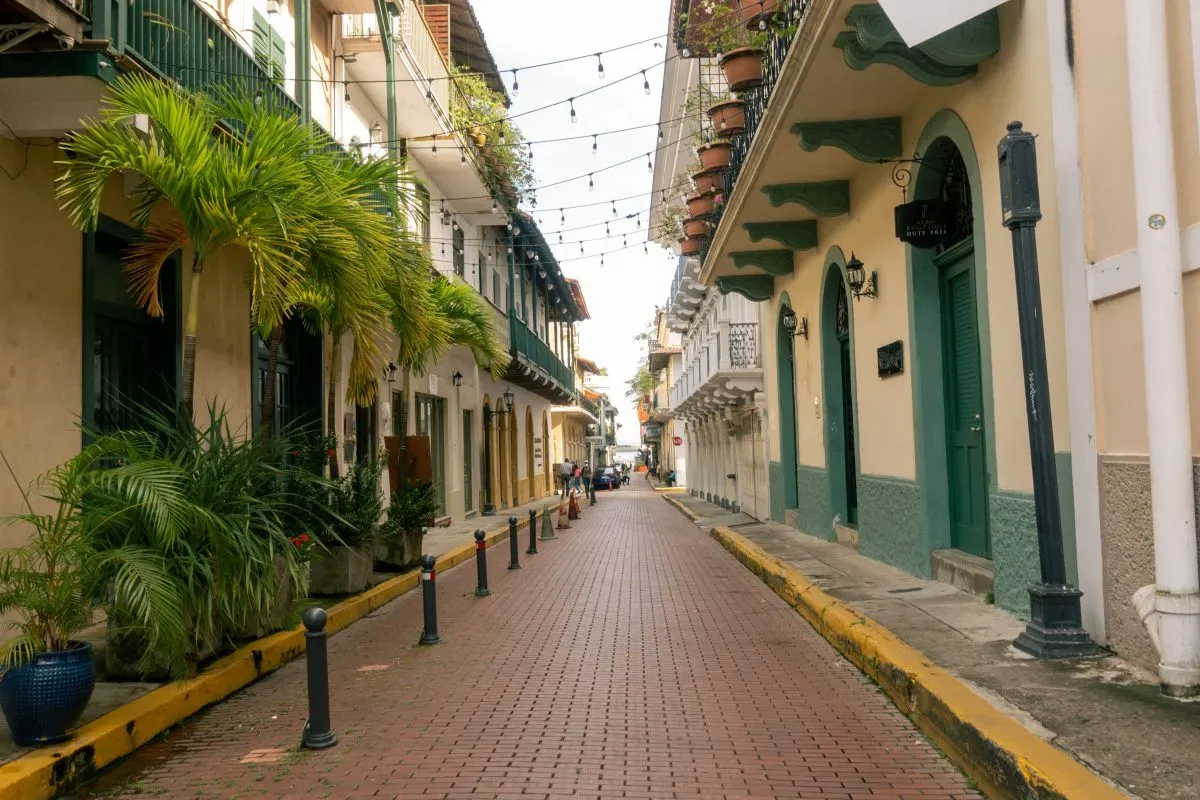
The cobblestones of the Casco Antiguo of Panama City have seen centuries of history. Now they face a new challenge from modern tourism. Since July 1, officials have enforced a strict ban on large tourist buses, cargo trucks, and any vehicle exceeding seven tons in this UNESCO-protected neighborhood. The move aims to save the aging infrastructure from further damage.
Residents have long complained about crumbling roads. The intersection of Ninth Street and Central Avenue has become a particular headache, with heavy traffic causing congestion and safety risks. Local shop owners say the deteriorating pavement hurts business. Tourists struggle to navigate broken sidewalks and potholed streets near the Avenida B crossing. These conditions, neighbors argue, undermine the very charm that draws visitors to this colonial gem.
‘The goal is to preserve our historical heritage while improving mobility and safety for everyone’ [Translated from Spanish]
The regulation itself is not new. It comes from Executive Decree No. 51, signed in April 2004 and published in the Official Gazette. That document created the Manual of Standards and Procedures for Restoration and Rehabilitation of the Casco Antiguo. For over two decades, the rules existed on paper but enforcement was inconsistent. Now the Panama Ministry of Culture has decided to apply them strictly.
Size and weight limits reshape tourist access
Under the 2004 decree, no vehicle can enter the historic district if it exceeds any of these measurements: more than seven tons in weight, longer than 7 meters, wider than 2 meters, or taller than 2.75 meters. The document never explicitly bans tourist buses. But those limits effectively keep large coaches out. Smaller minibuses, called busitos, can still circulate as long as they meet the weight and speed rules outlined in Article 66 of the same regulation.
The practical impact is immediate. Big buses can no longer use the roundabout near the Seafood Market to reach Plaza Quinto Centenario. That plaza was a traditional drop-off point for sightseers. Instead, tourist vehicles must now use designated parking areas. The Las Banderas lot, located in front of the Presidential Palace, offers space for passenger loading and unloading. Another option is the Puerta Sur parking facility on West 13th Street, adjacent to the Cinta Costera 3. These lots opened on April 1, 2026, and together provide 200 parking spots for visitors and residents.
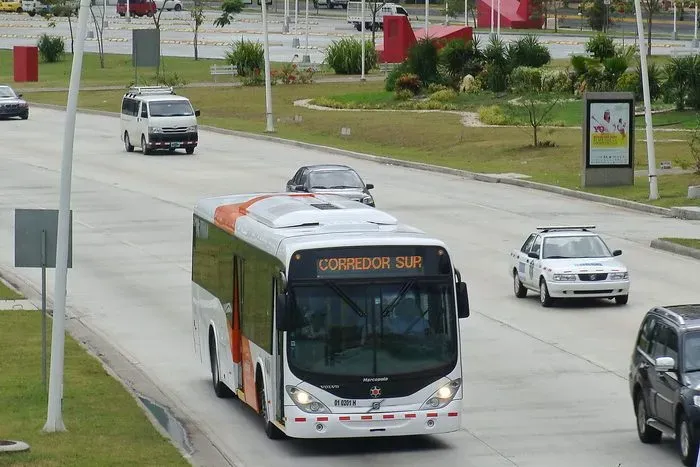
Only small buses that fit within the maximum dimensions can enter the monumental complex. This means tour operators must adjust their itineraries. Some have complained about the inconvenience. But heritage advocates argue the trade-off is necessary. Heavy vehicles pounding over historic cobblestones cause cracks and displacement. Over time, the damage becomes expensive to repair and dangerous for pedestrians.
Old regulations gain new urgency
The timing of this enforcement matters. Panama City has seen a surge in tourism over the past decade. The Casco Antiguo, with its restored colonial buildings and vibrant nightlife, draws crowds daily. But the area’s infrastructure was never designed for heavy traffic. Many streets are narrow. The cobblestone surfaces, while charming, are fragile. Historic preservation regulations exist precisely to prevent such wear and tear.
Local residents have voiced frustration that enforcement came only after visible deterioration. They point to the intersection of Ninth Street and Central Avenue as a prime example. The road surface there has buckled under repeated pressure from oversized vehicles. Drivers often get stuck in traffic jams near the Avenida B junction. Pedestrians, including tourists with cameras and children, must dodge potholes and uneven stones.
These conditions hurt the local economy. Restaurants and souvenir shops rely on foot traffic. When streets are blocked or damaged, visitors spend less time exploring. Some business owners worry the bus ban might reduce visitor numbers. But others see an opportunity. If the streets become safer and more pleasant, they argue, people will stay longer and spend more money.
The Casco Antiguo is not just a tourist attraction. It is a living neighborhood where thousands of people reside. Their daily lives involve commuting, shopping, and walking children to school. For years, they have watched heavy trucks rumble past their homes, shaking the foundations of centuries-old buildings. The new enforcement offers them some relief.
Panama’s approach mirrors similar measures in other historic cities worldwide. Rome restricts vehicle access in its center. Venice charges entry fees. Quito limits bus sizes in its colonial quarter. These policies share a common logic: you cannot preserve the past if you keep driving trucks through it. The Casco Antiguo’s cobblestones have survived earthquakes, fires, and urban development. With proper protection, they can survive tourism too.