


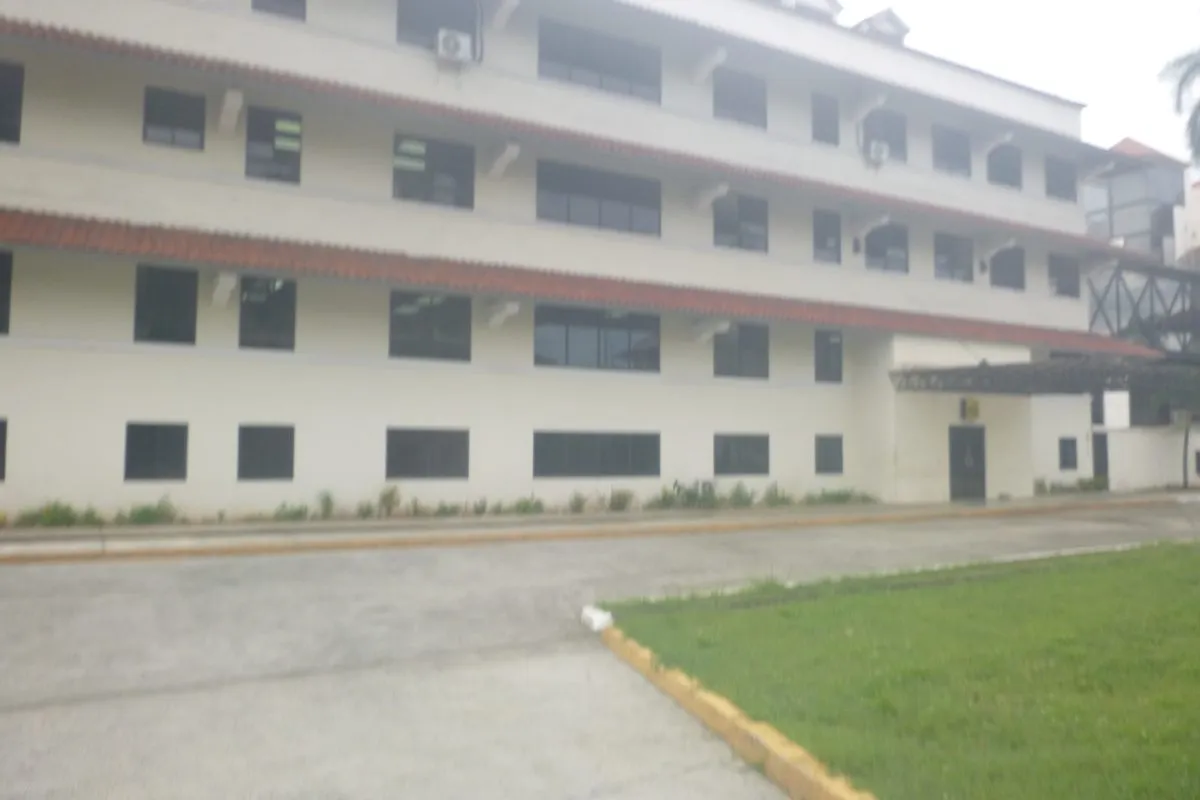
Demolition crews will soon reshape a neglected swath of Panama City, turning dilapidated buildings into a bustling metropolitan hub. The Panamanian Ministry of Public Works (MOP) has unveiled plans for a massive redevelopment of 38 hectares in Albrook, an area long marked by crumbling infrastructure and underused lots. The project promises to knit together government offices, housing, retail spaces, and parks, all within walking distance of the city’s metro system.
Luis Sosa, director of the Public Investment Coordination Unit (UCIP-MOP), described the vision during a recent briefing.
‘We are planning the infrastructure to prepare the lots for development. We are exploring whether we can build an institutional complex that houses at least six ministries’ [Translated from Spanish]
This marks a significant shift for a zone that has languished for years as urban decay took hold.
The first phase, budgeted at roughly $20 million, will focus on eight hectares between the Albrook Metro station and the Curundú Urban Renewal project. Officials expect groundbreaking sometime next year. Chris Lam, deputy director of UCIP-MOP, emphasized the strategic location.
‘This point becomes a nerve center for urban mobility in the city. It starts with a Boulevard that connects to the existing Boulevard in the Curundú area and will link to a new road that reaches the metro station’ [Translated from Spanish]
The transformation goes beyond simple road repairs. Planners envision a mixed-use neighborhood where people can live, work, and play without relying heavily on cars. A key component involves relocating the National Migration Service into a new government building complex. A large public square with a food market will serve as the district’s social heart, designed to draw both locals and tourists.
Demolition of existing structures will clear the way for new access roads and modern utilities. The Panama Ministry of Public Works urban development strategy reflects a broader push to revitalize central city areas that have suffered from years of neglect and haphazard growth.
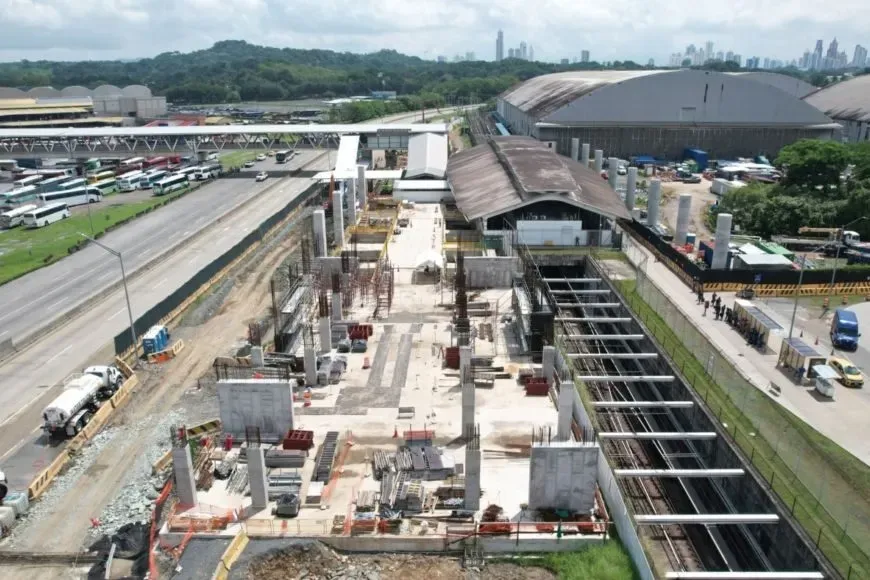
Another major piece of the puzzle is the future Judicial City. This complex will consolidate multiple justice system agencies currently scattered across Panama City. The Supreme Court of Justice is leading this initiative, with Inter-American Development Bank support for Panama providing technical and financial backing. The Judicial City will rise on land now occupied by the MiBus Operations Center, a facility that will need to relocate.
Lam stressed the need for updated regulations to guide development.
‘We will have a point here where many activities can develop for the city. This way we begin this analysis and formulation, developing new rules of the game for this area’ [Translated from Spanish]
The Ministry of Housing and Territorial Planning (Miviot) must revise urban development norms for Albrook to align with the new master plan.
The project’s success hinges on careful staging. Officials have not released a full timeline for all phases, but the first stage alone will take years to complete. The area’s proximity to the Panama Metro gives it a major advantage, as transit-oriented development has proven effective in other Latin American cities. The metro connection means thousands of daily commuters will have direct access to the new district.
Critics have questioned whether the government can execute such an ambitious plan given past delays on major infrastructure projects. Panama has a mixed record with large-scale urban renewal. The Curundú project next door has faced its own setbacks. But officials insist that phasing the work and securing international backing will keep things on track.
For residents who remember Albrook’s better days, the plan offers hope. The area once hummed with activity around the former U.S. military base and later as a transportation hub. But decades of poor maintenance and ad-hoc construction left it a patchwork of abandoned buildings and underused lots. The new district aims to restore its role as a connector between neighborhoods and a destination in its own right.
The environmental impact also merits attention. Converting brownfield sites into dense, walkable neighborhoods reduces pressure on greenfield development at the city’s edges. Panama City has sprawled dramatically in recent decades, swallowing forests and farmland. This project represents a rare attempt to build inward rather than outward.
Lam summed up the ambition.
‘This is about creating a new set of rules for this area, a new way of thinking about how we use urban space’ [Translated from Spanish]
If the plan succeeds, Albrook could become a model for how Panama City tackles its most challenging urban spaces. If it falters, it will join a long list of unrealized visions for the capital’s transformation. Either way, the coming months will reveal whether the government can turn blueprints into concrete reality.